Fast-Paced Practice Day at Farrenberg Sets the Stage for SGP Germany
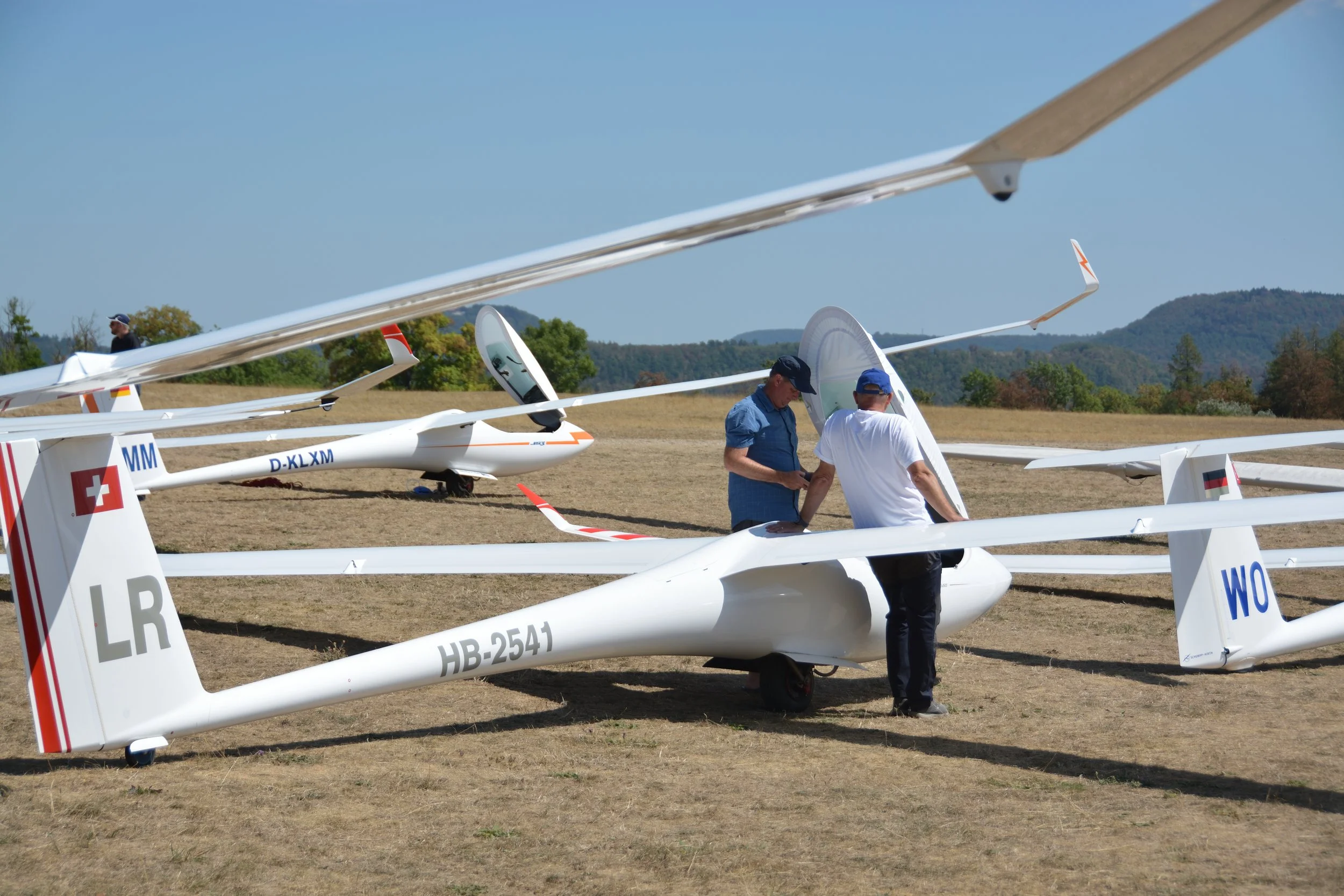
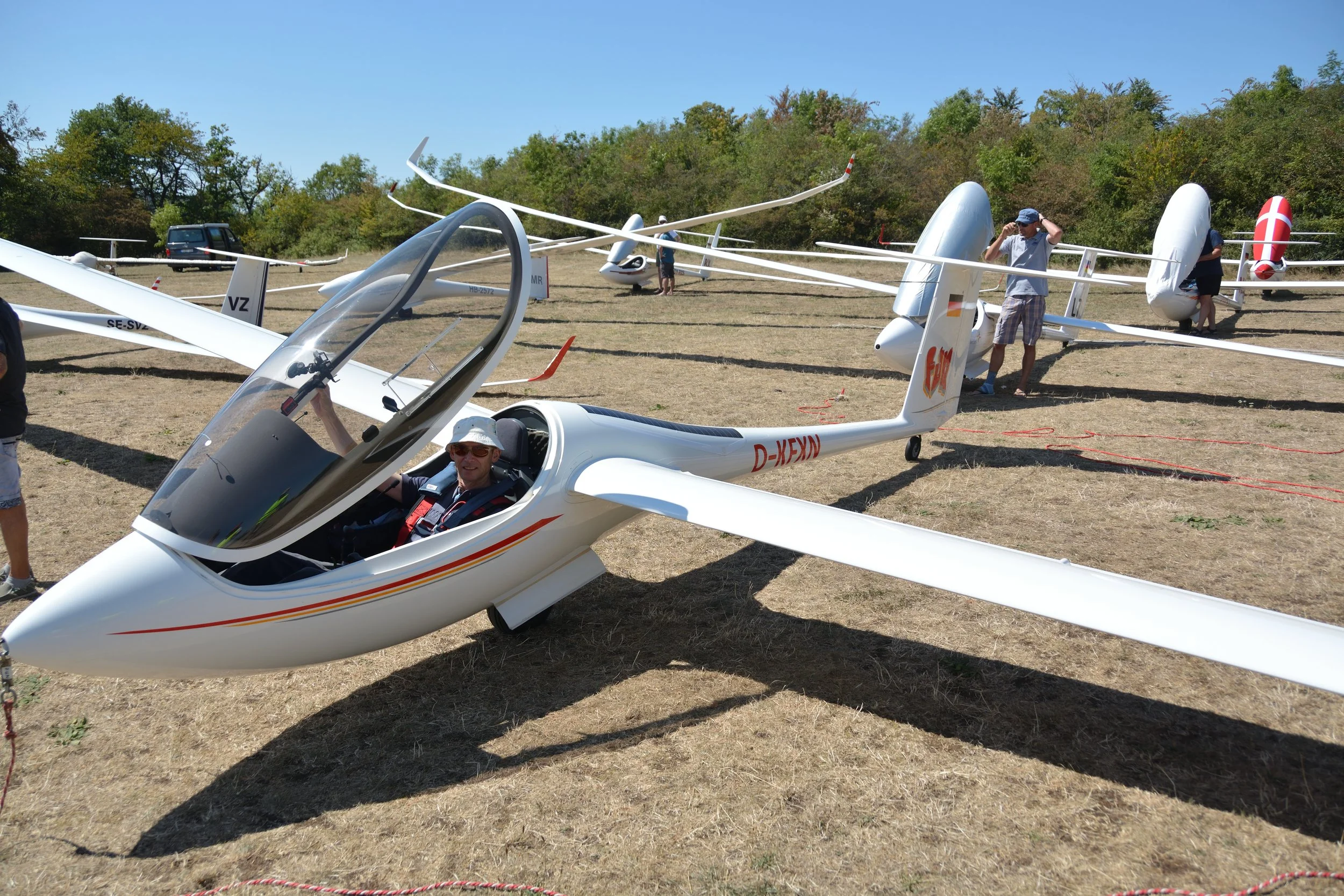
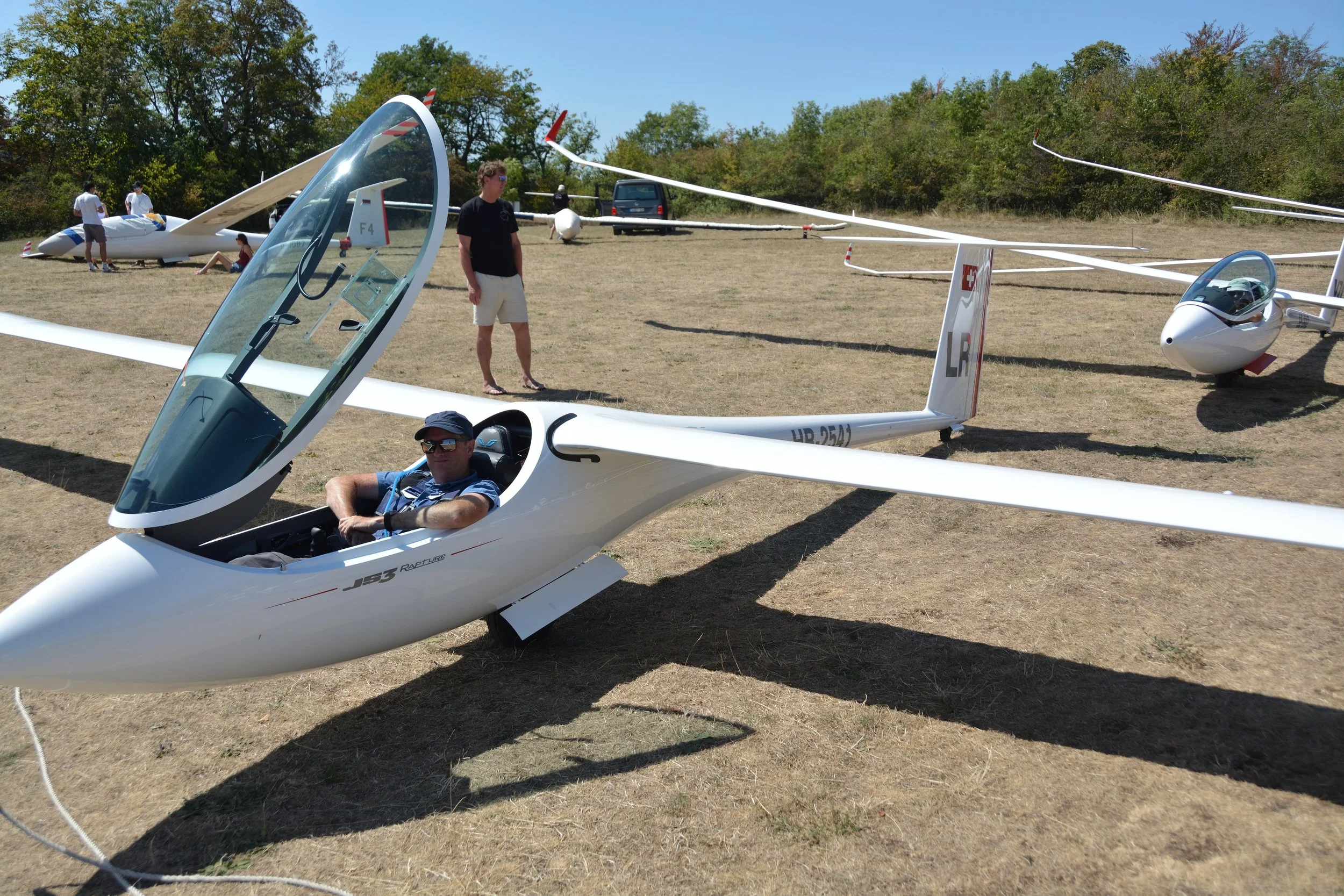
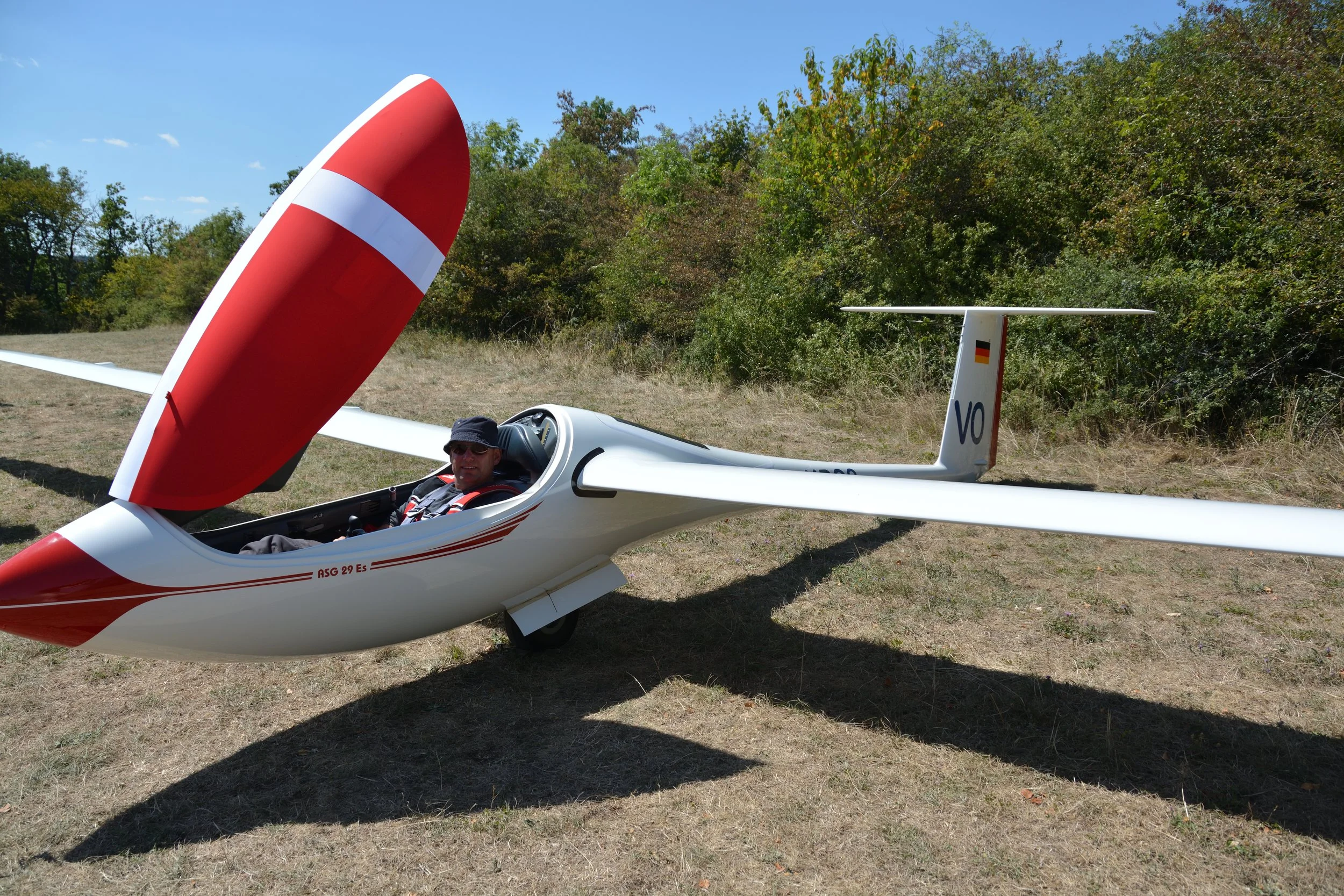
08/08/2026 - Farrenberg, Germany - The official training day for the FAI Sailplane Grand Prix of Germany has concluded, giving pilots one final opportunity to push their gliders, test tactics, and shift into full competition mode. With the gliders launched from the aircraft-carrier-like airfield at Farrenberg, the practice run provided a critical preview of the intense racing to come.
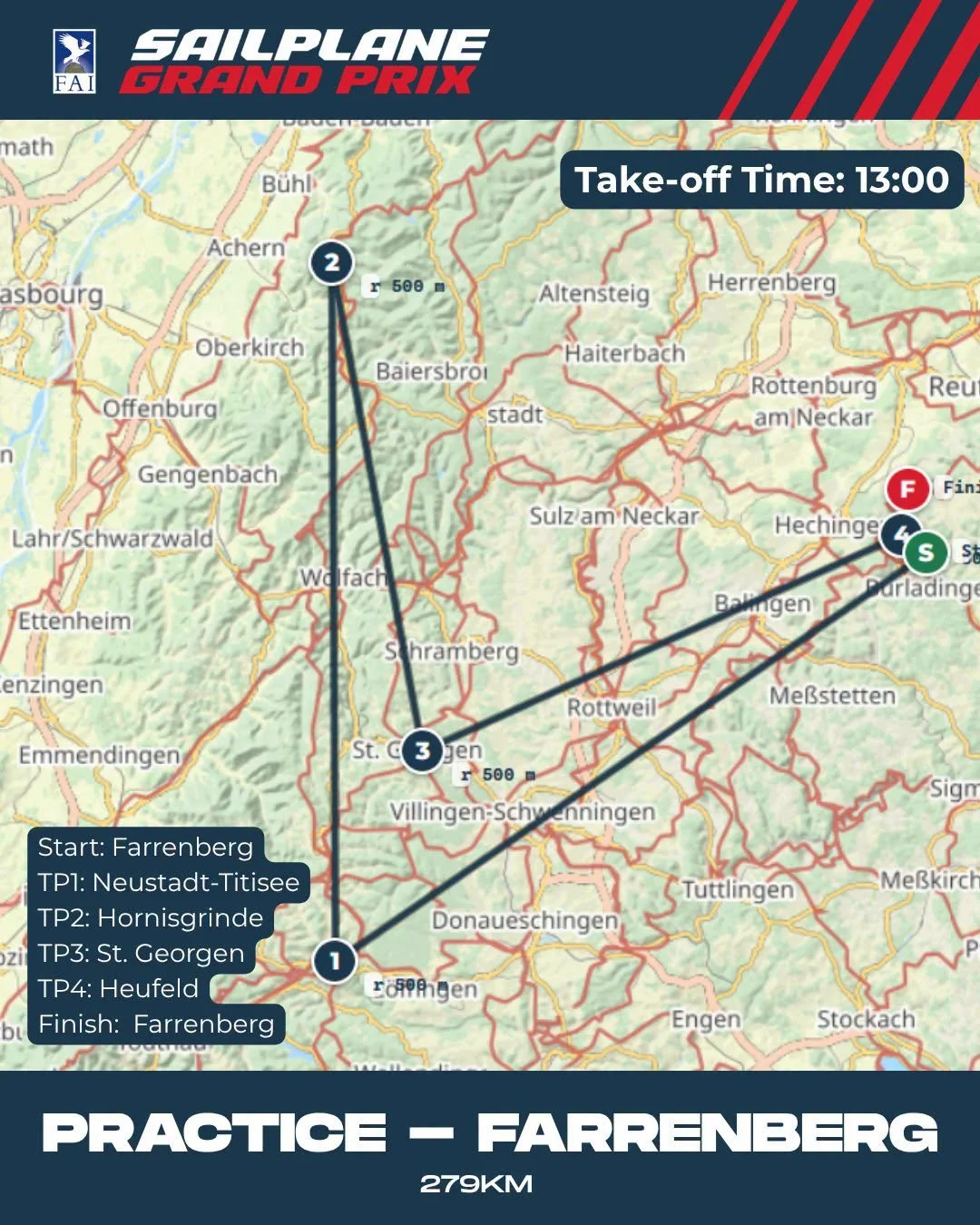
Weather and Task Overview
Pilots were met with favorable, yet testing, weather as they explored the terrain and read the conditions. The day featured mostly blue thermal conditions, accompanied by a few high-level cirrus clouds that largely dissipated in the sunshine.
The task committee set a challenging course to test the grid's readiness:
Total Distance: The practice task spanned a precise 279 kilometers.
Take-off: Operations commenced with a scheduled take-off time of 13:00.
The Route: Pilots started at Farrenberg and navigated towards the Black Forest, hitting turnpoints at Neustadt-Titisee, Hornisgrinde, St. Georgen, and Heufeld before returning to finish at Farrenberg.
Practice Race Results
The practice day saw aggressive flying as competitors sought the fastest lines through the sky. Local favorite Conrad Hartter, flying a JS1c Jet (OT), was the first pilot to cross the start line, utilizing his deep knowledge of the skies where he grew up. However, it was Stefan Langer (SF), flying an AS 33Es at 18 metres, who ultimately took the win by two minutes and nine seconds over Hartter, with a winning speed of 143.8 km/h over one hour, fifty-six minutes, and ten seconds.
The race was effectively settled in the demanding terrain of legs four and five.
Through the first three legs, Langer was mid-competitive, posting speeds of 131.9, 162.8, and 115.4 km/h: solid, but not dominant. The dynamic shifted on leg four (Hornisgrinde to St. Georgen), where the speed spread exploded to 66.0 km/h across the field. Langer ran it at a blistering 177.7 km/h. Hartter pushed even harder on this leg, posting 193.1 km/h, yet still finished second overall.
The explanation arrived on leg five, where the speed spread widened further to 69.1 km/h. Langer's 175.9 km/h on the final run to Farrenberg was actually the slowest of the podium group. However, the lead he carried into that final leg, built on strict thermaling discipline (spending 36 percent of flight time across just 28 climbs averaging 2.4 m/s), proved decisive. He crossed the line with 1031 metres, thirty-one above the minimum, perfectly illustrating how tight his energy budget ran.
The Fight for the Podium
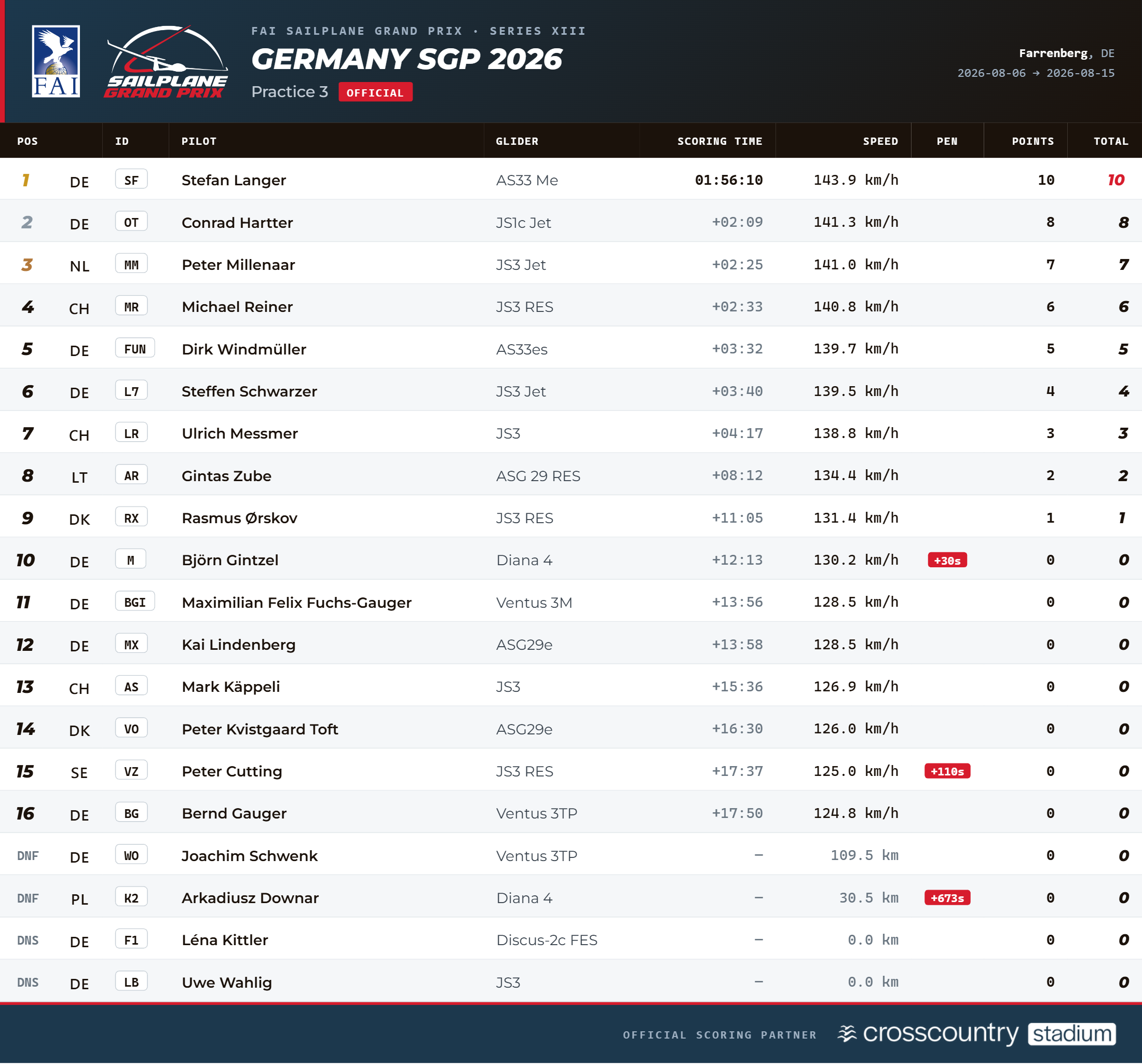
Conrad Hartter (OT): Pushed harder than anyone on the back half of the course in his JS-1, recording 193.1 and 222.4 km/h on legs four and five.
Peter Millenaar (MM): Claimed third place in the JS3-JET-18m, just 25 seconds behind Hartter. Millenaar found his best thermal of the day at 4.0 m/s and produced a massive 232.3 km/h final leg, the fastest of the podium, but could not close the 15-second gap to Hartter in the finish band.
Michael Reiner (MR): Finished fourth, a mere nine seconds behind Millenaar. His JS-3 found a climb touching 4.5 m/s, marking the strongest single thermal of any top-five pilot.
Dirk Windmüller (FUN): Rounded out the top five, three minutes and thirty-two seconds off the lead. His flight was consistent across the entire task, though he lacked the late-stage acceleration found by Hartter and Millenaar.
Other notable performances included Michael Reiner (MR) and Dirk Windmüller (FUN), who completed the top five with speeds of 140.8 km/h and 139.7 km/h, respectively.
Looking Ahead
For some pilots, this practice day was a welcome return to familiar territory; for others, it was an essential introduction to the nuances of the Farrenberg area. The practice task is now complete, and the training phase is officially over.
Today we trained. Tomorrow, it’s race time.