Stefan Langer Claims Victory in Race 1 Despite Shifting Weather at Farrenberg
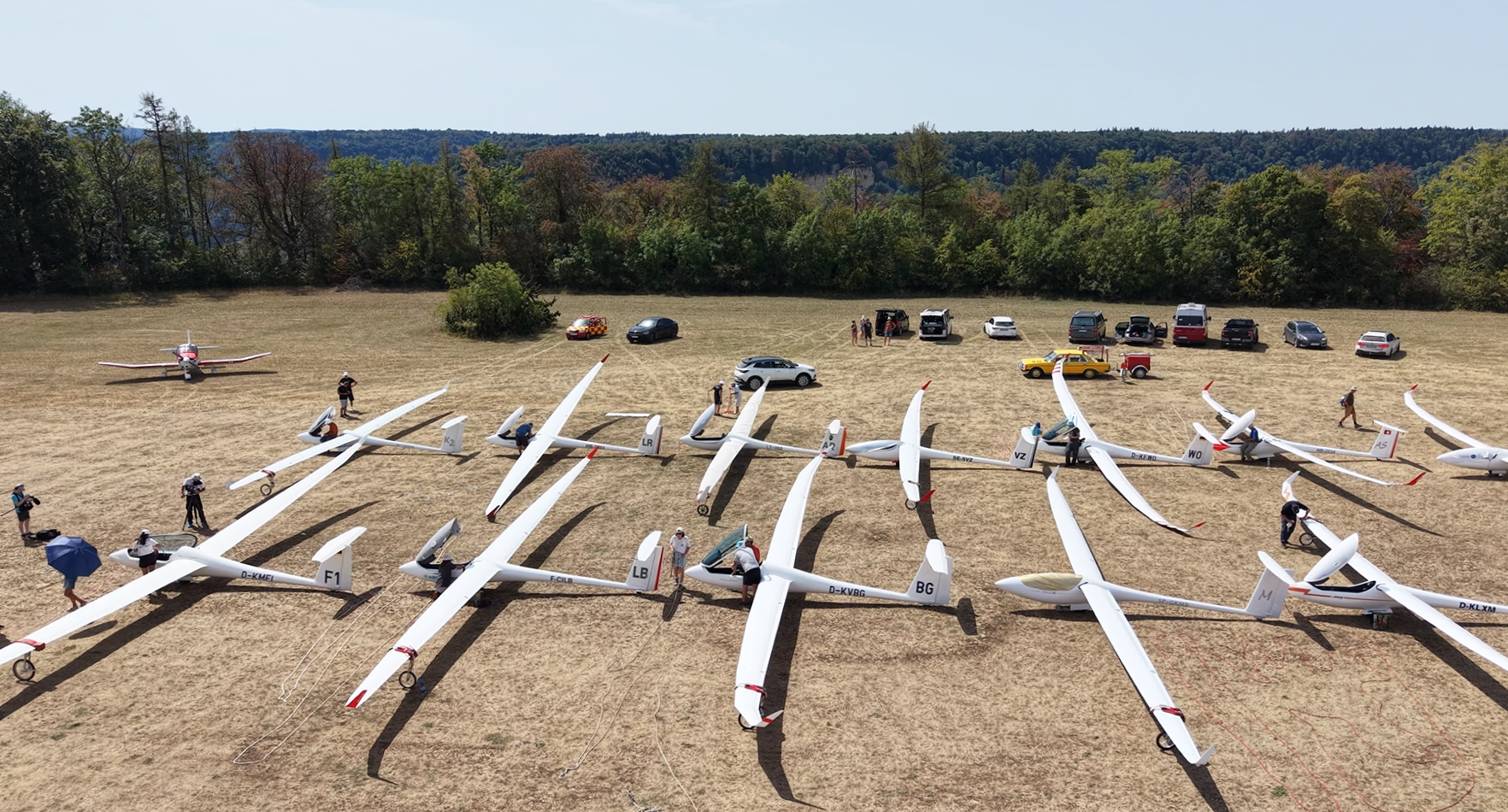
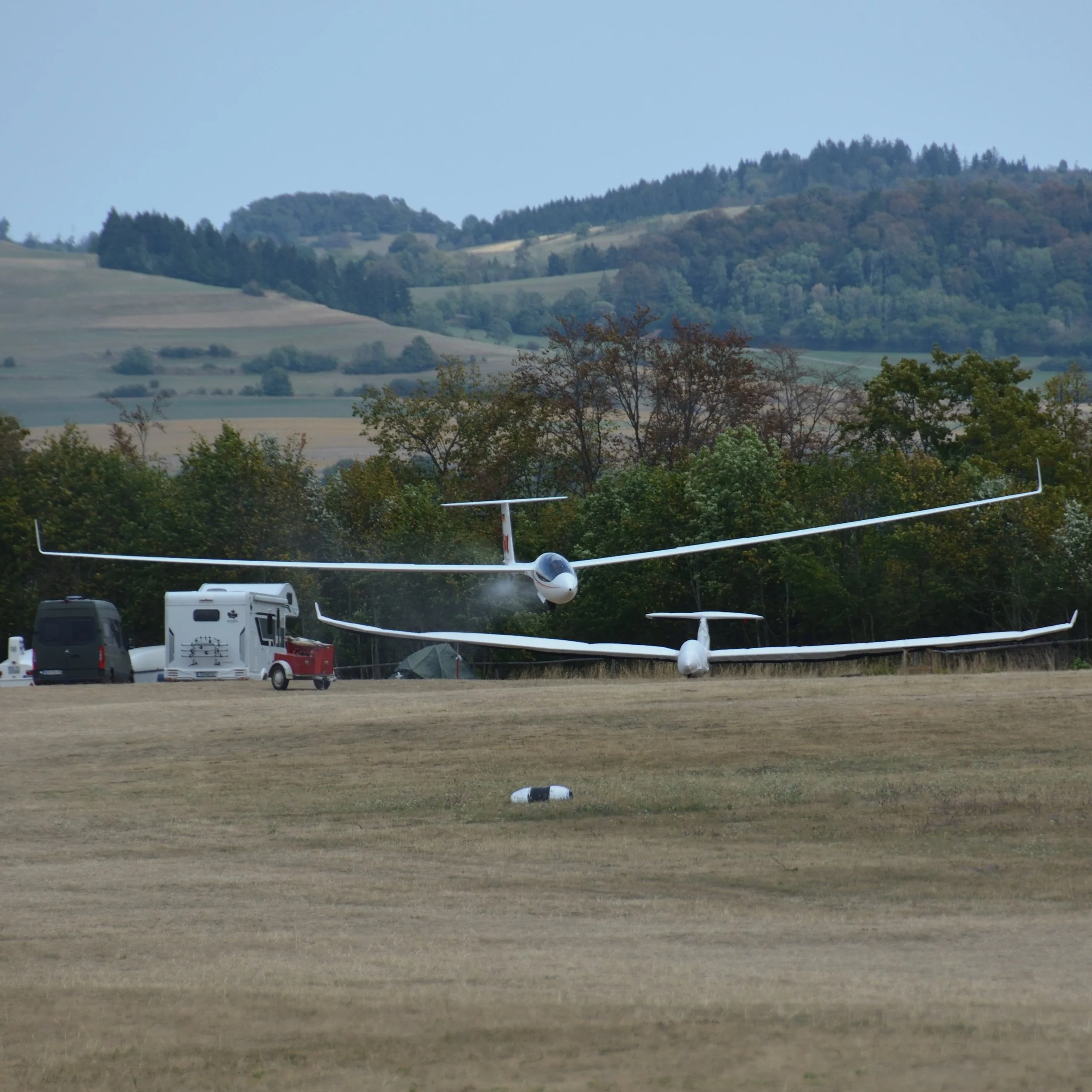
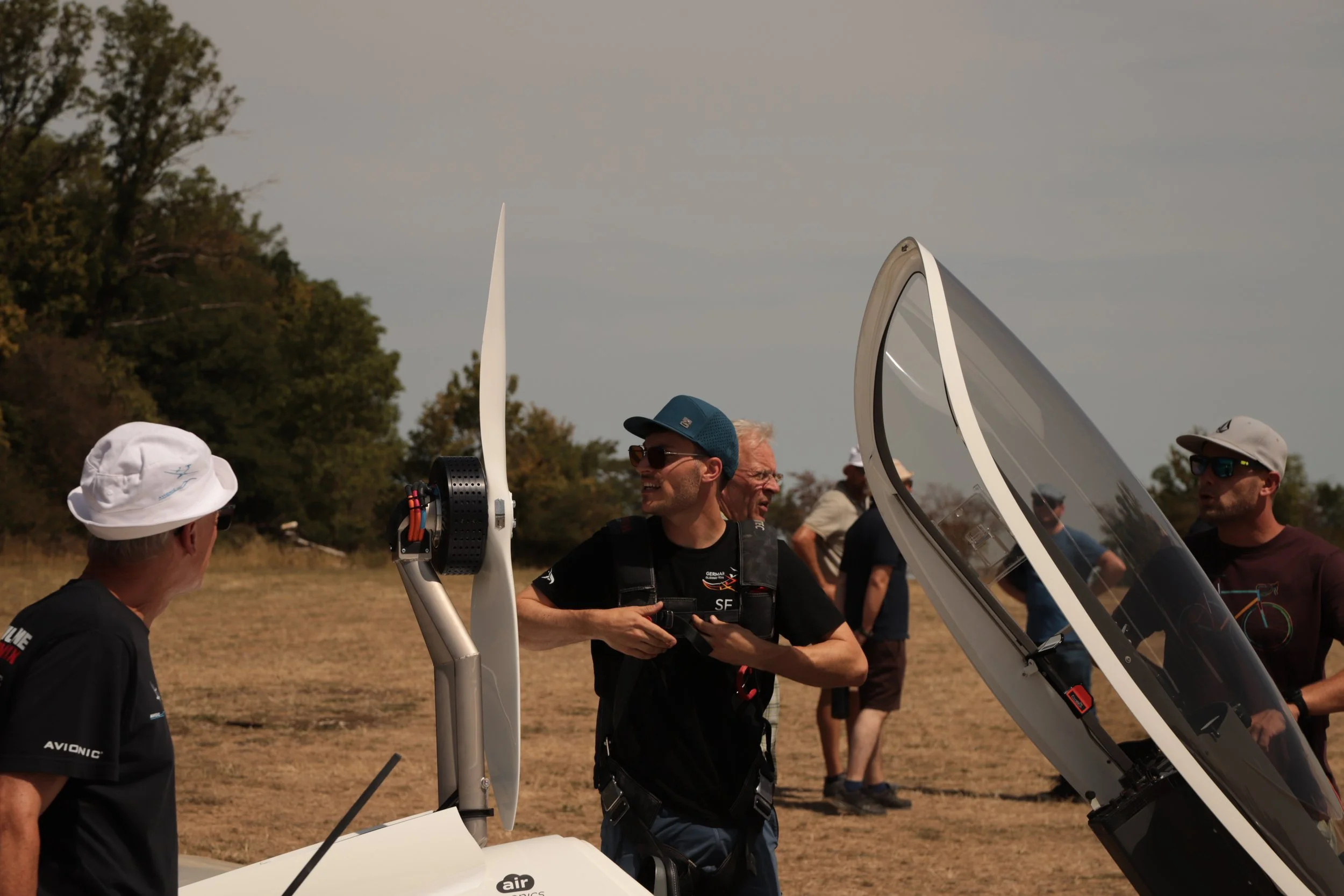
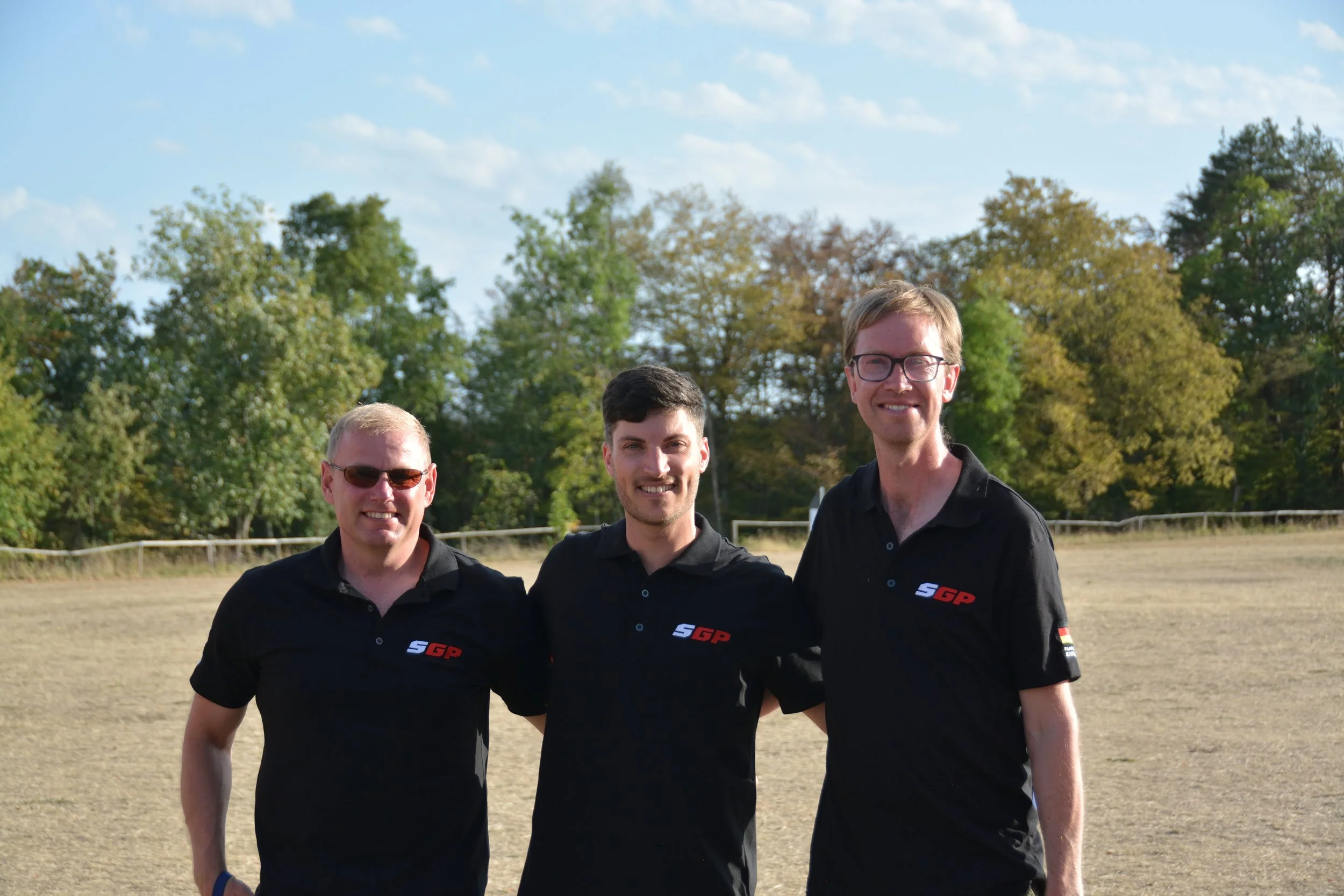
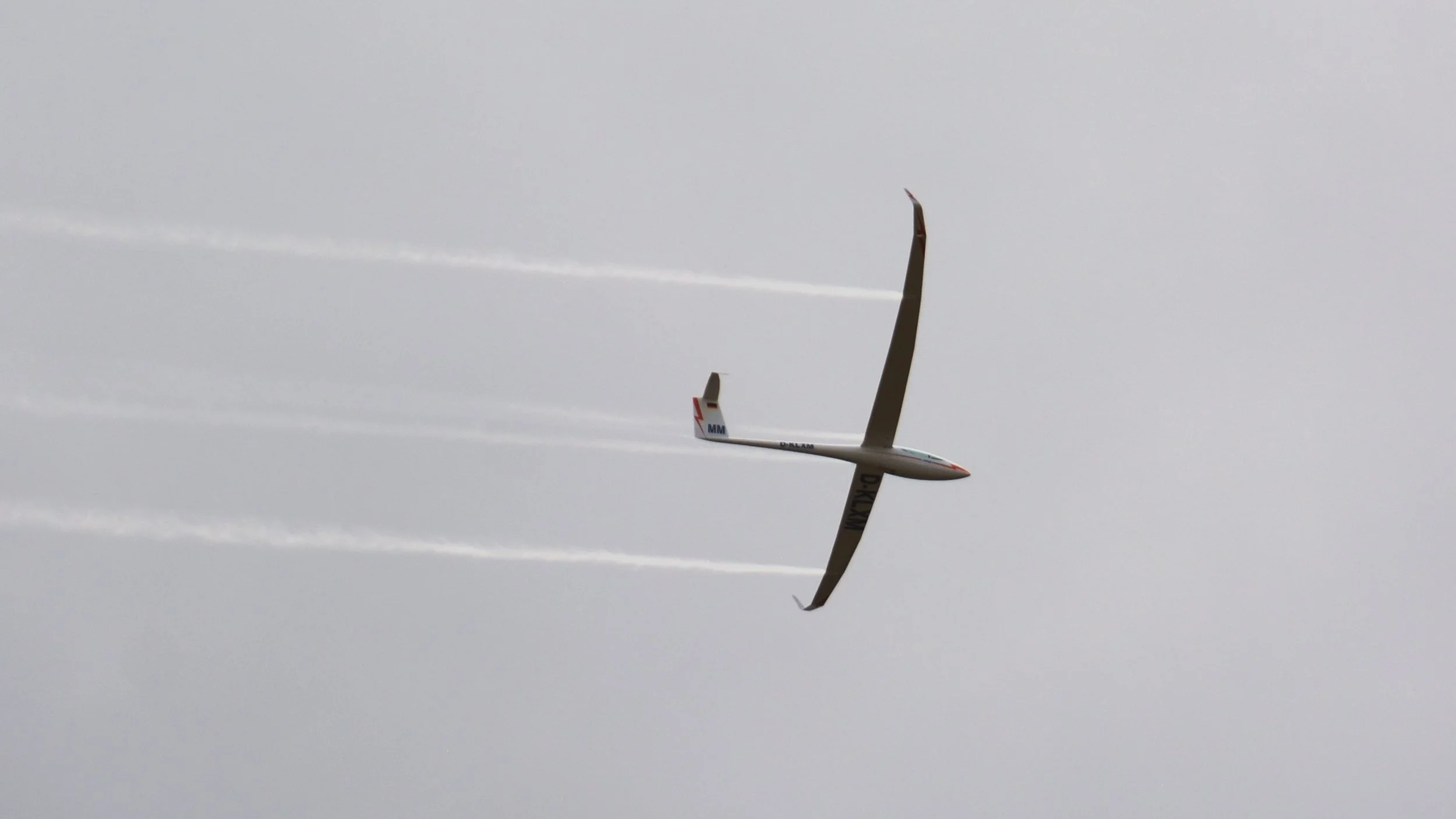
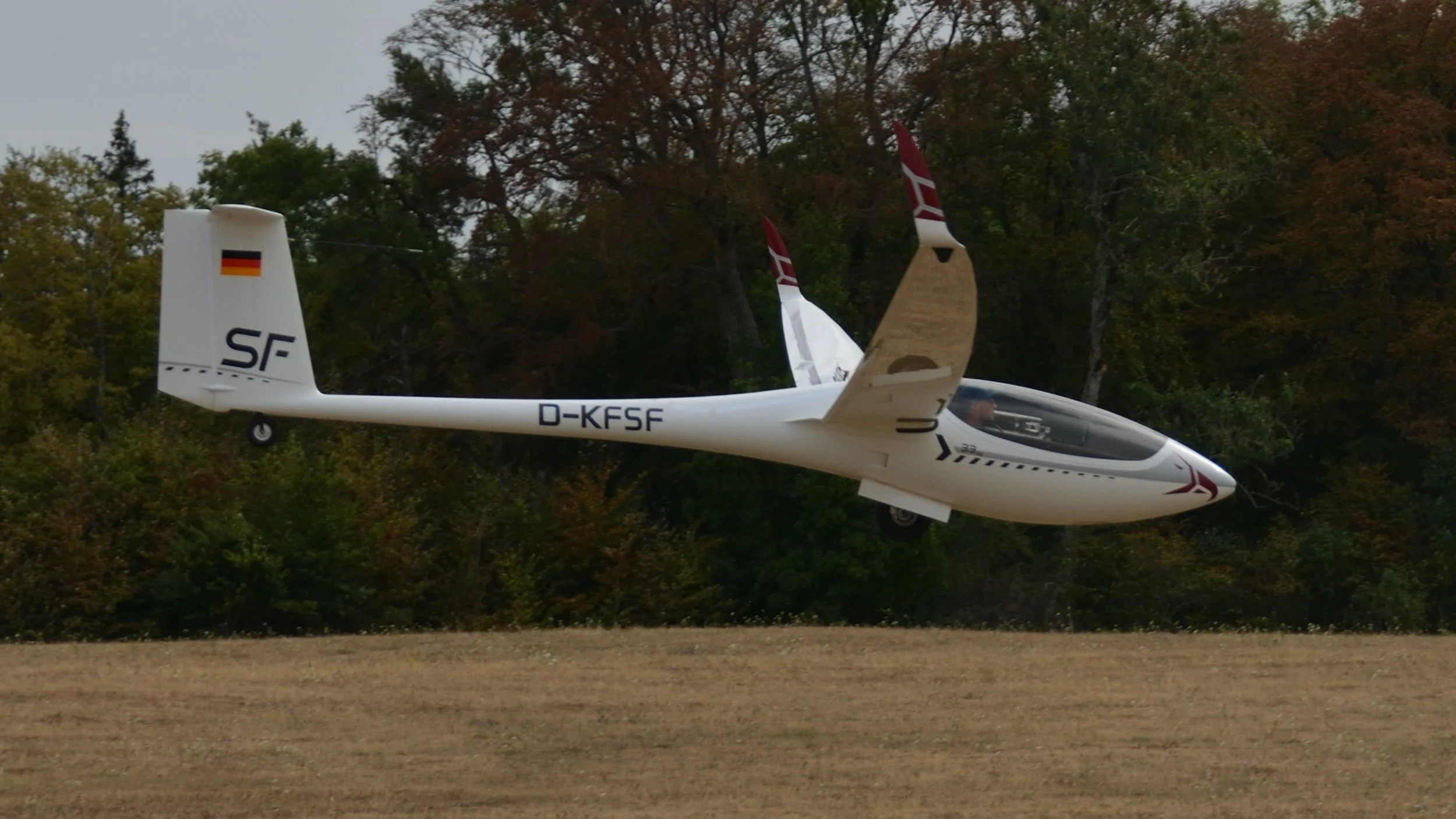
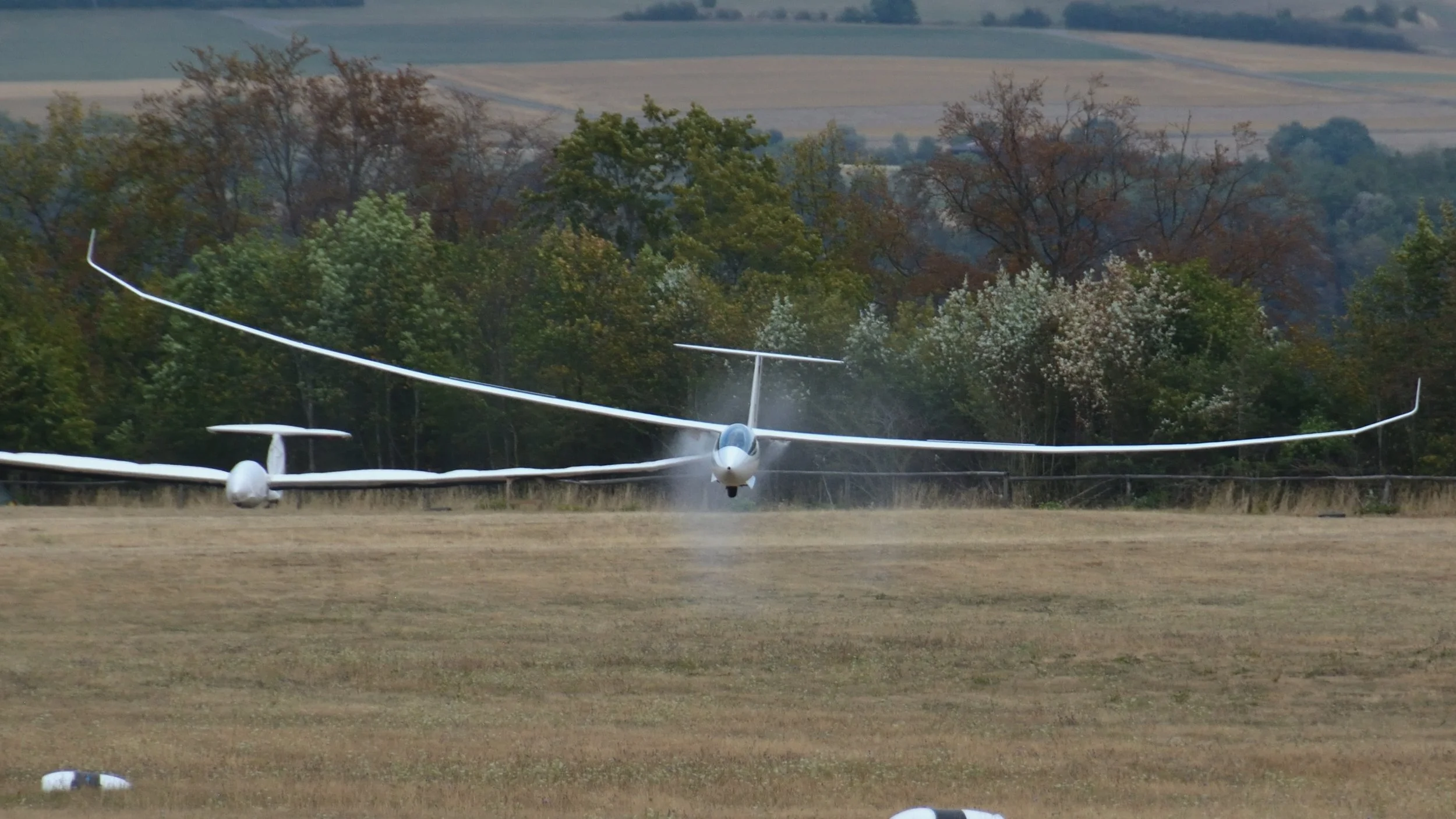
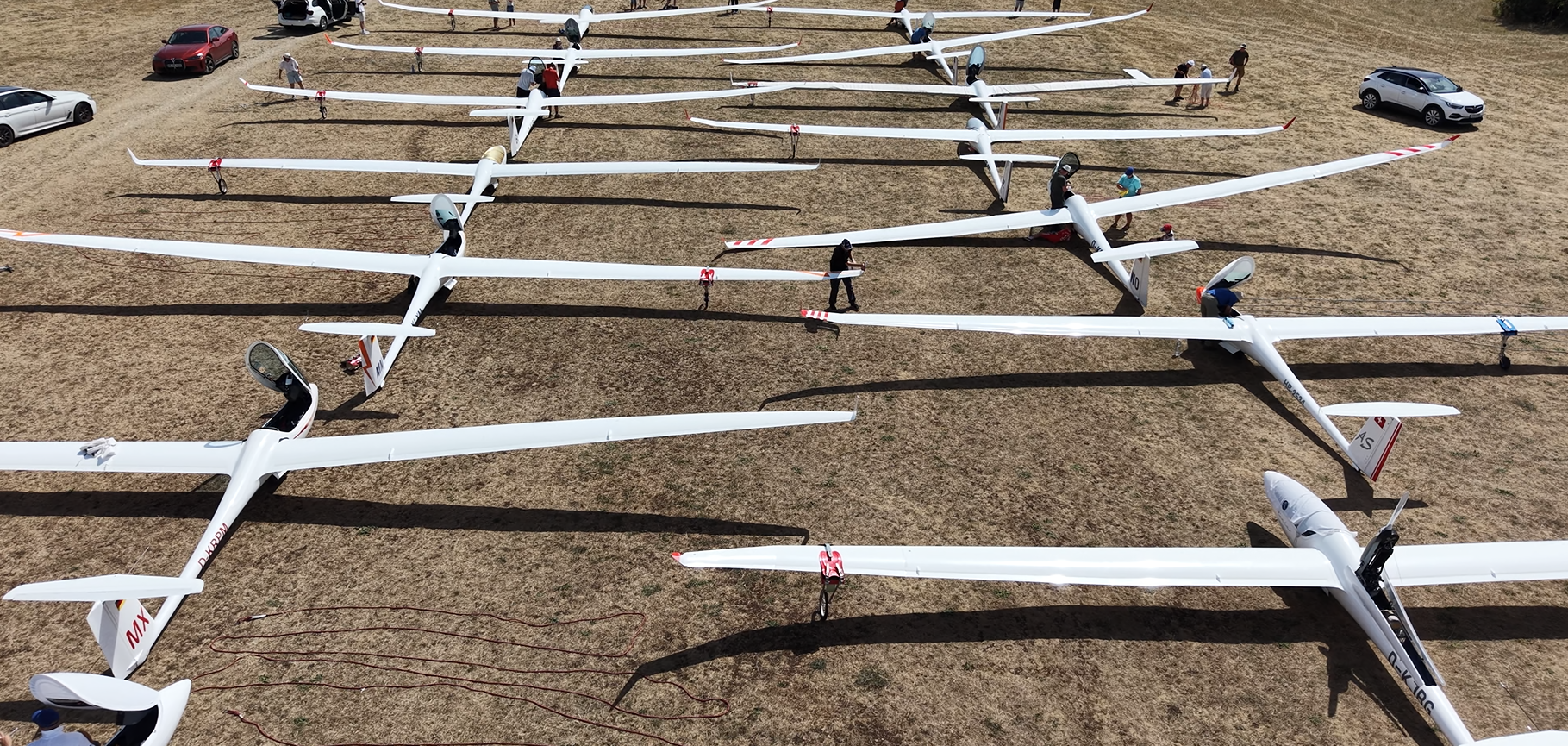
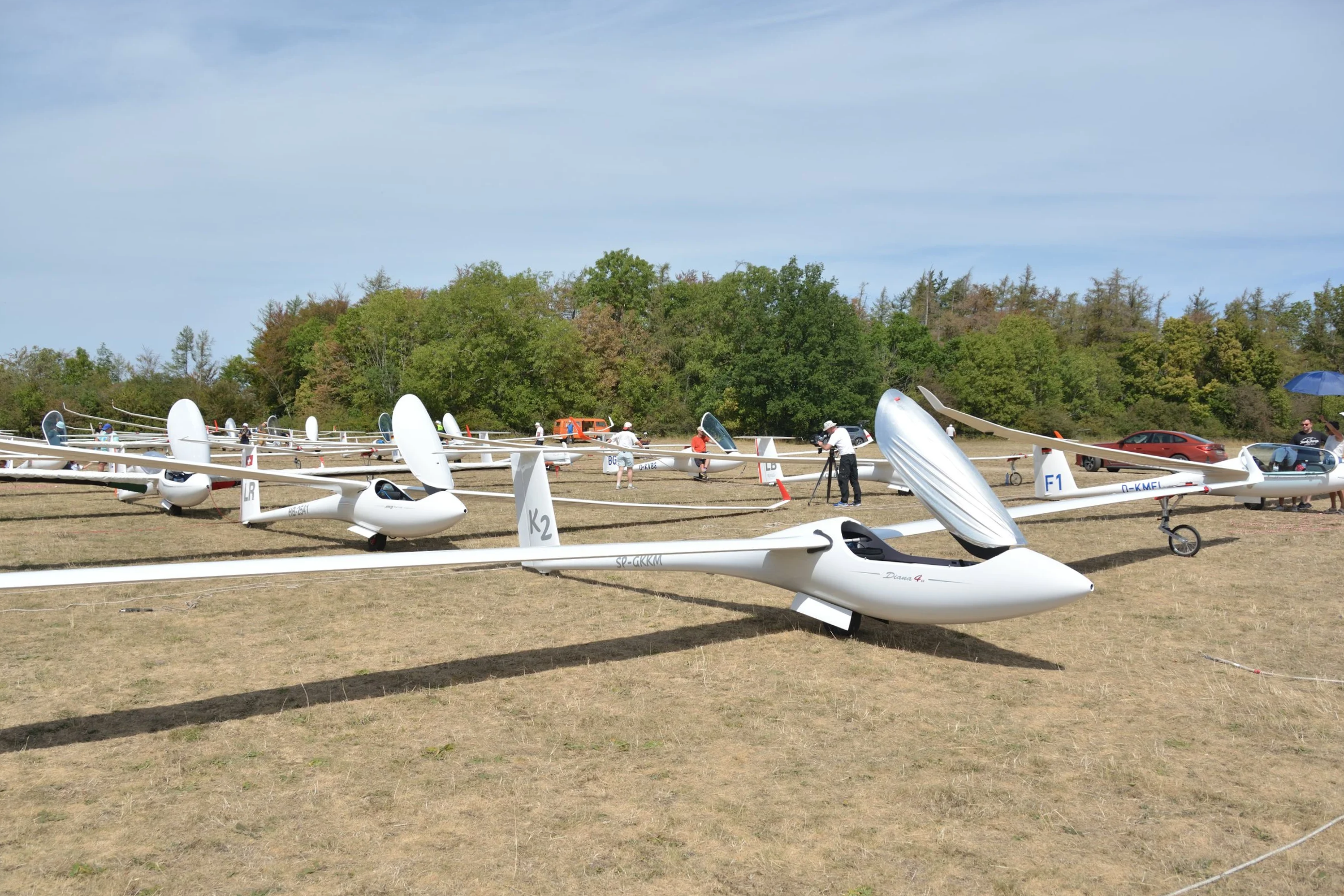
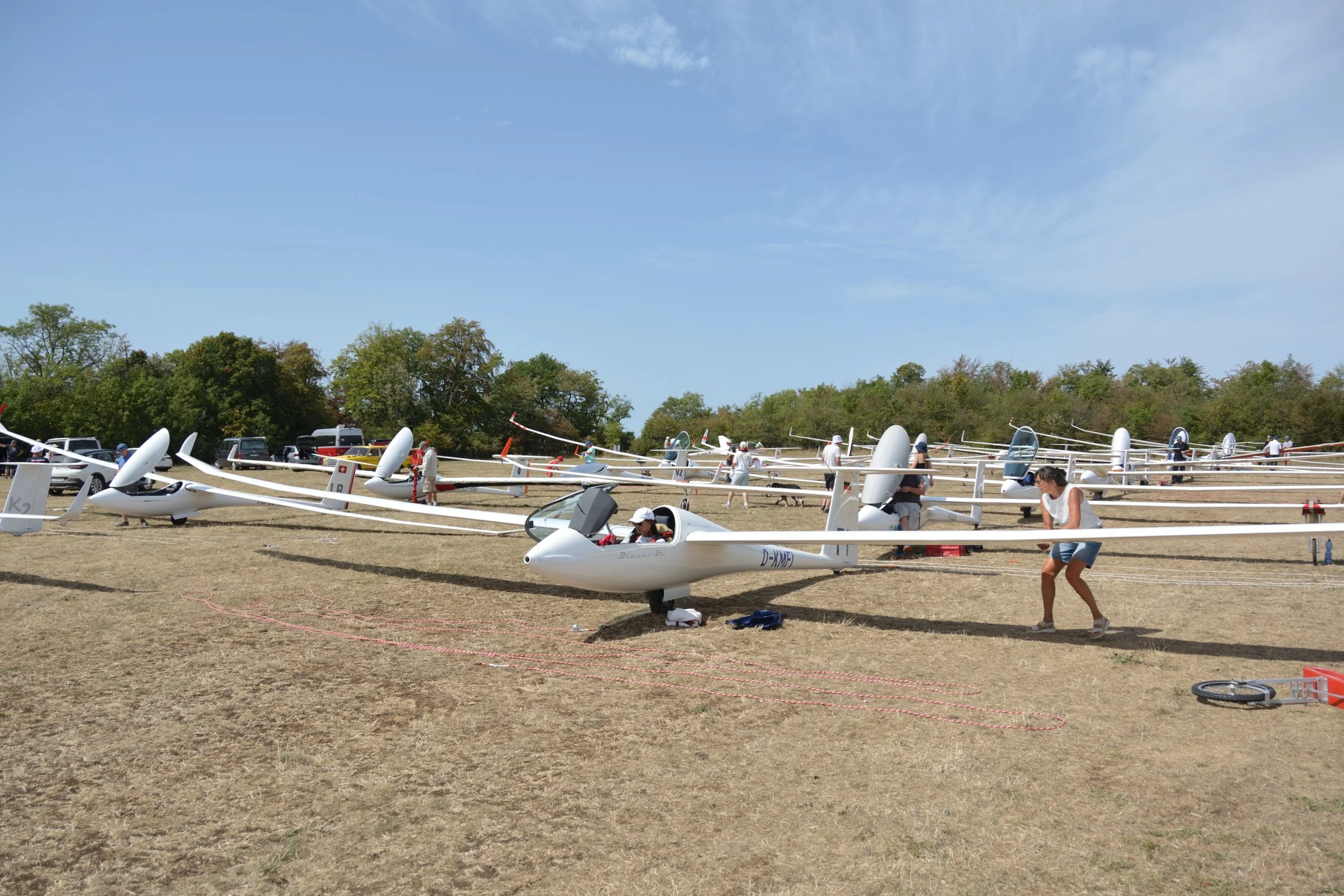
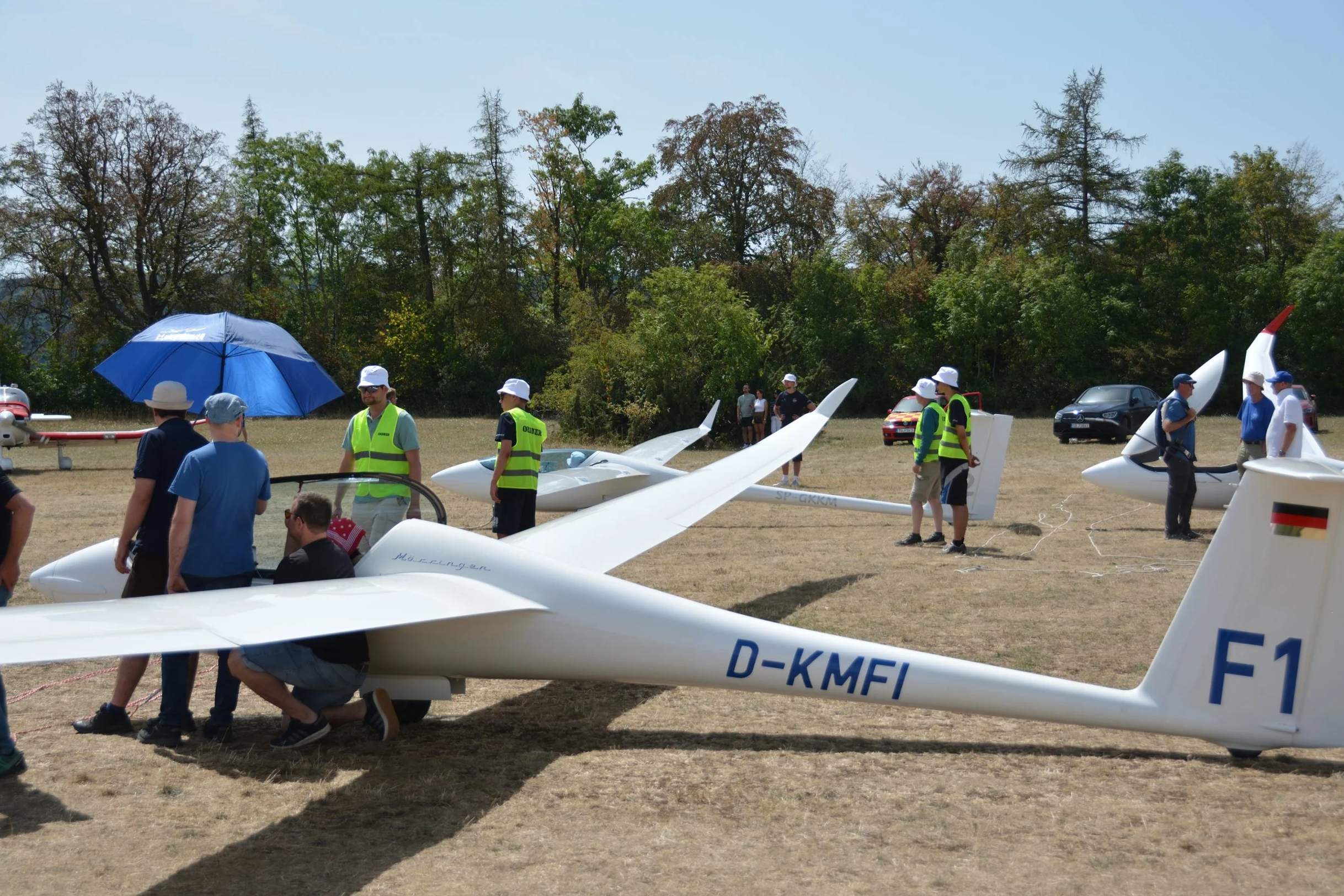
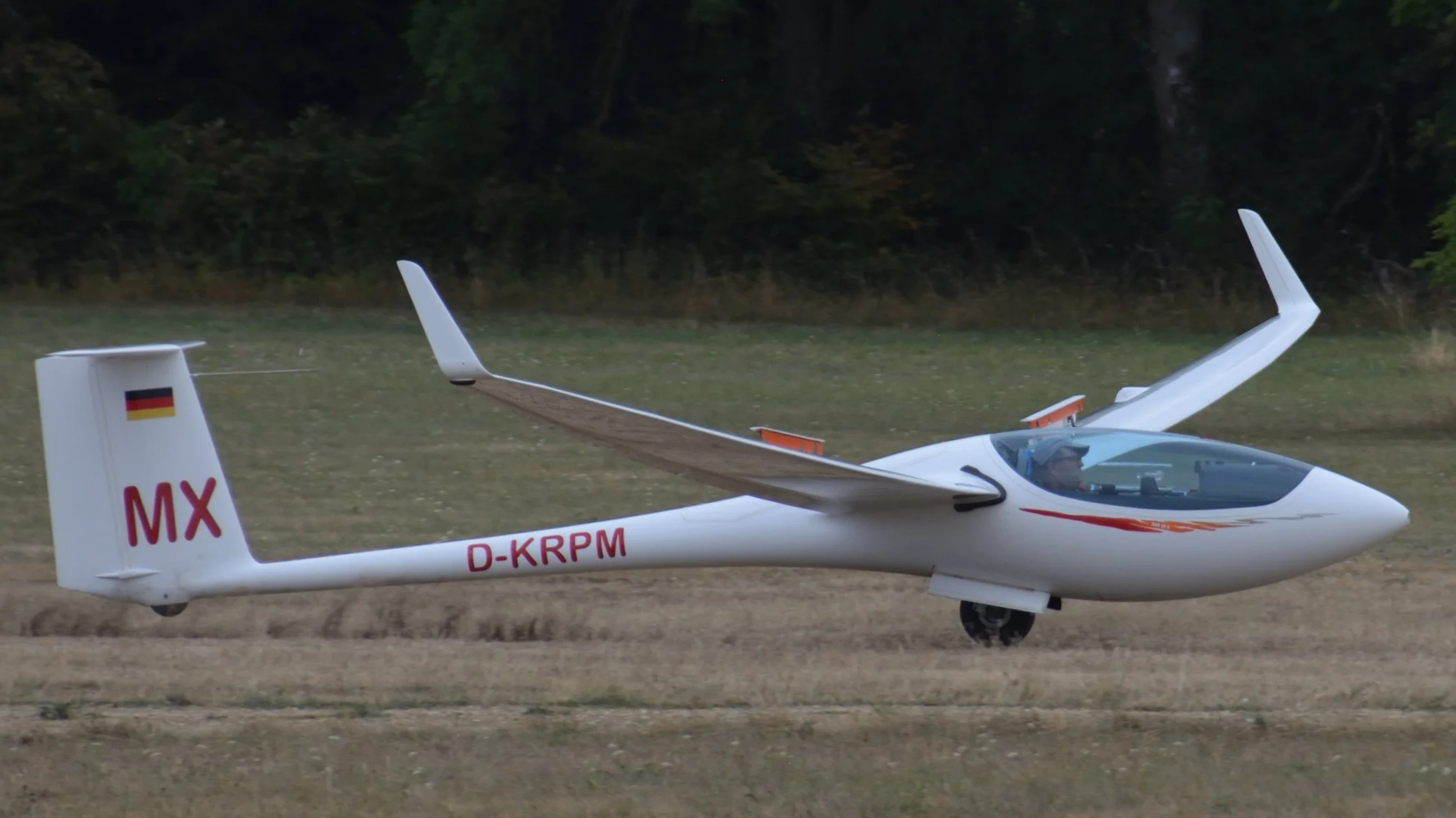
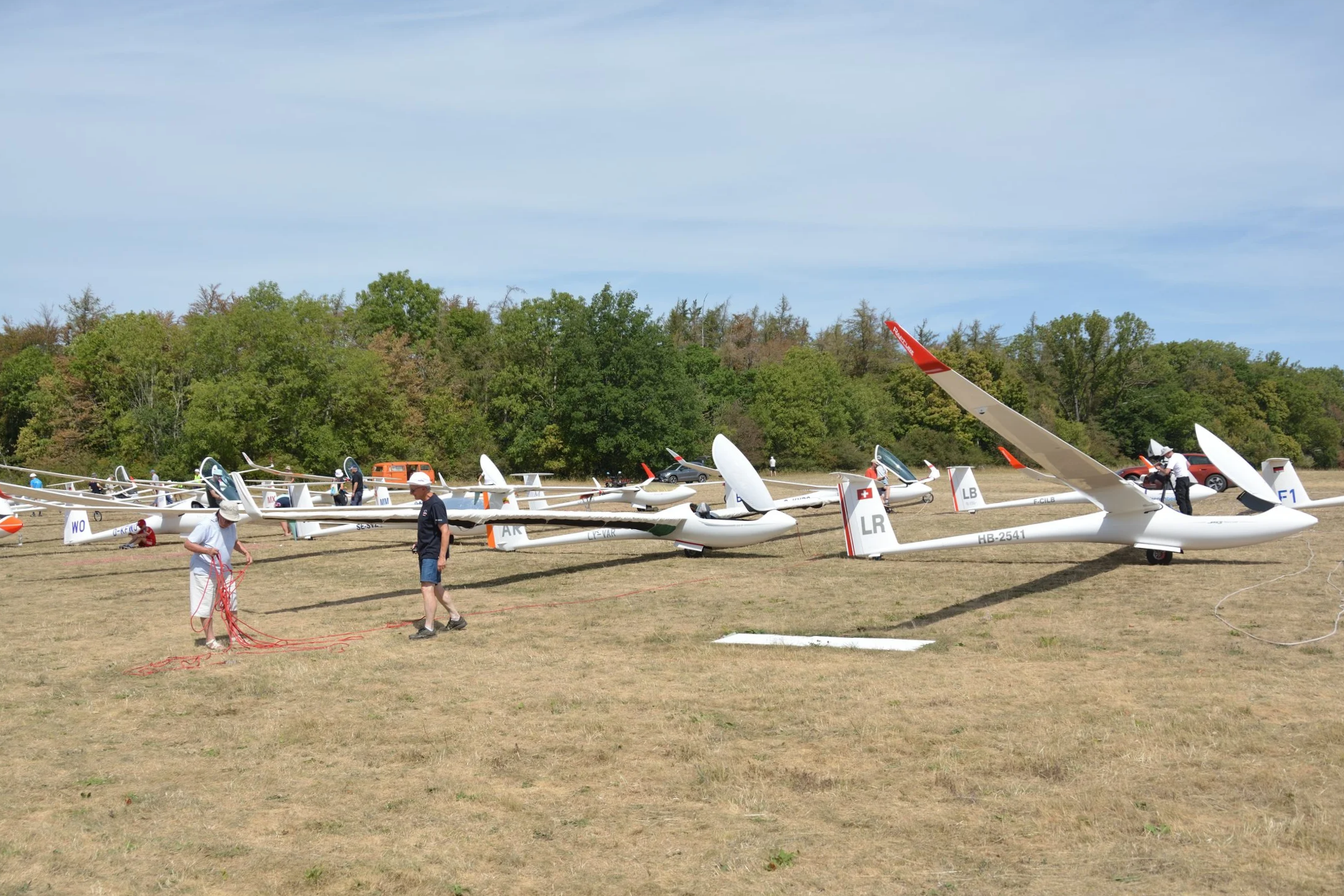
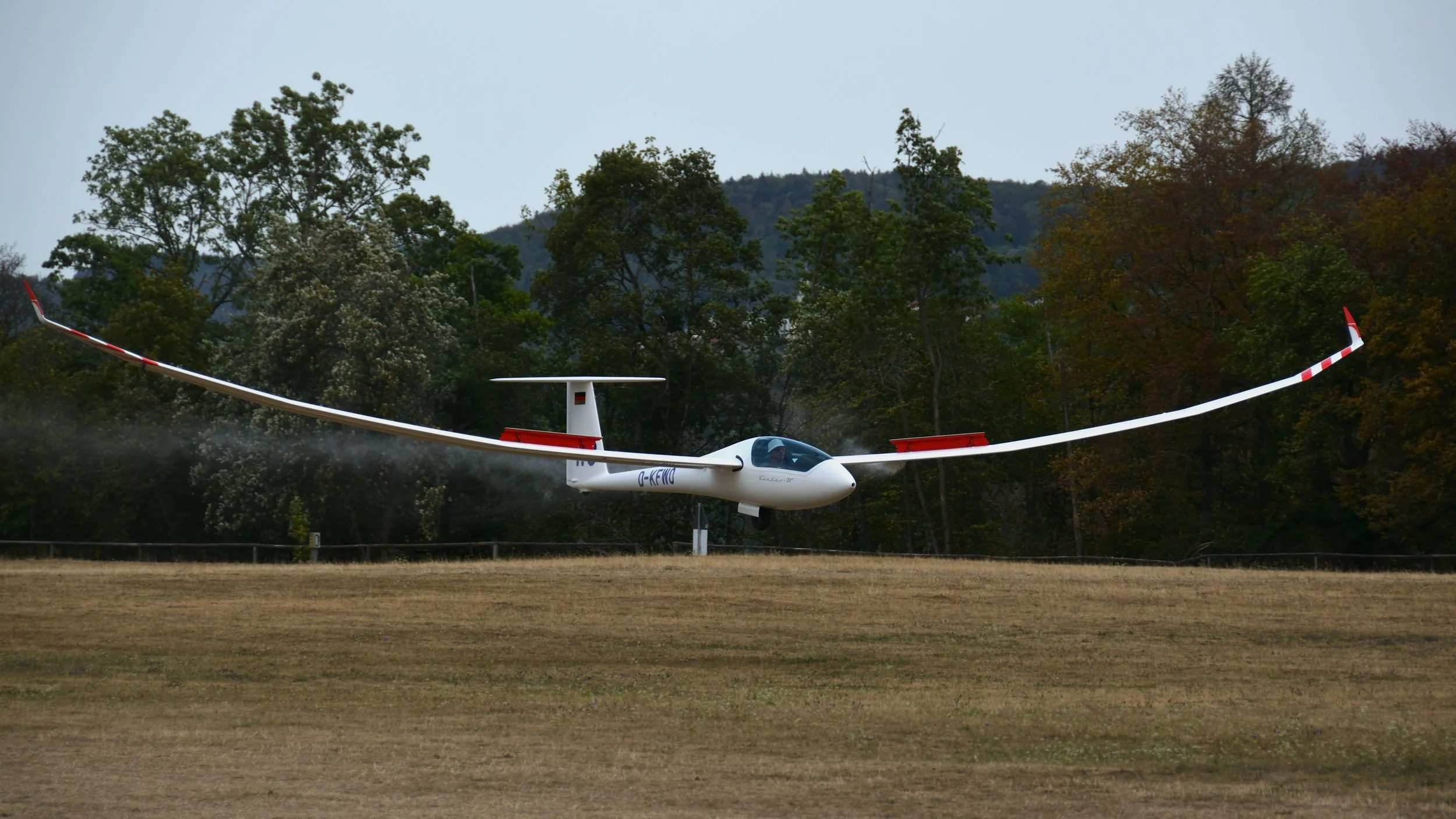

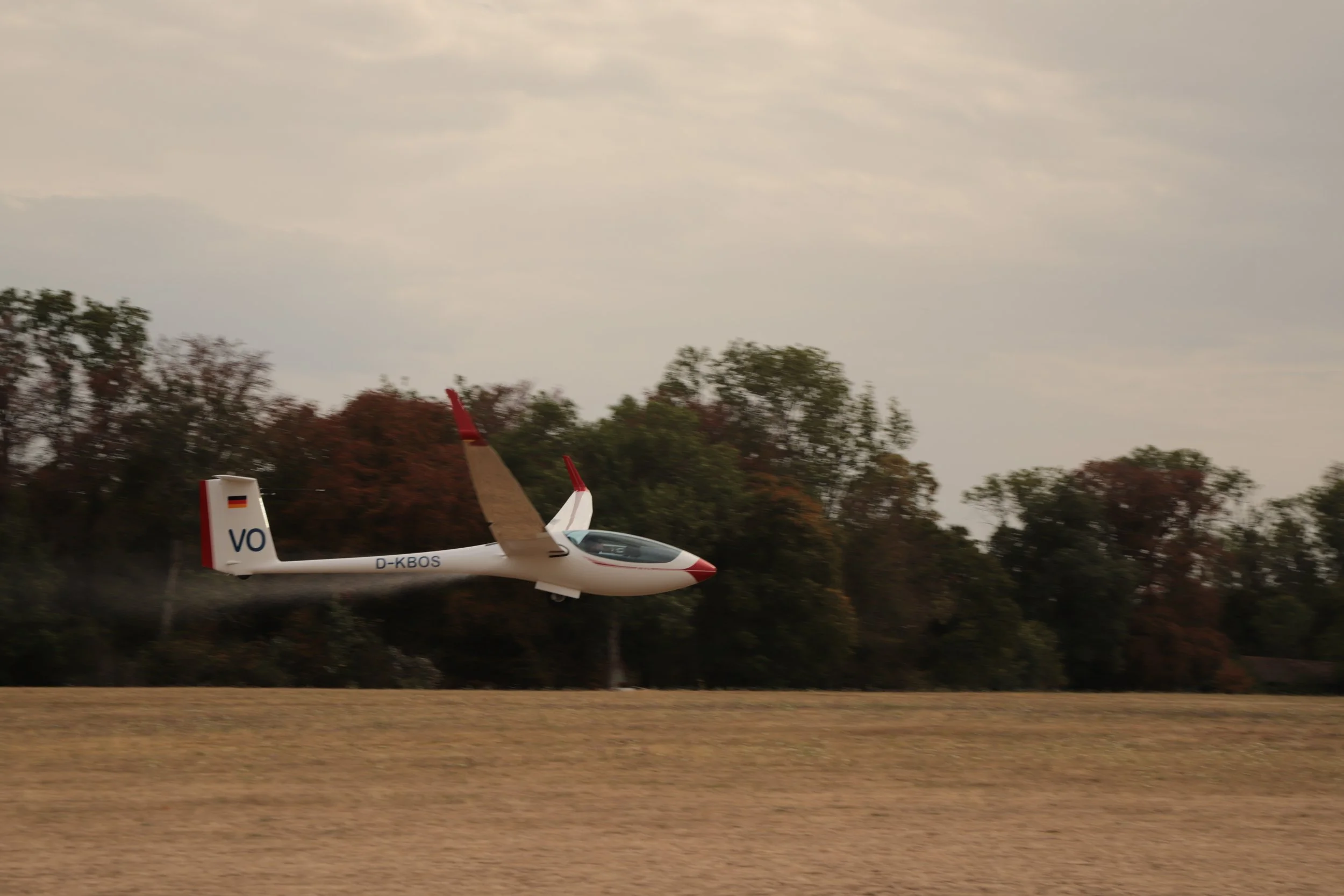
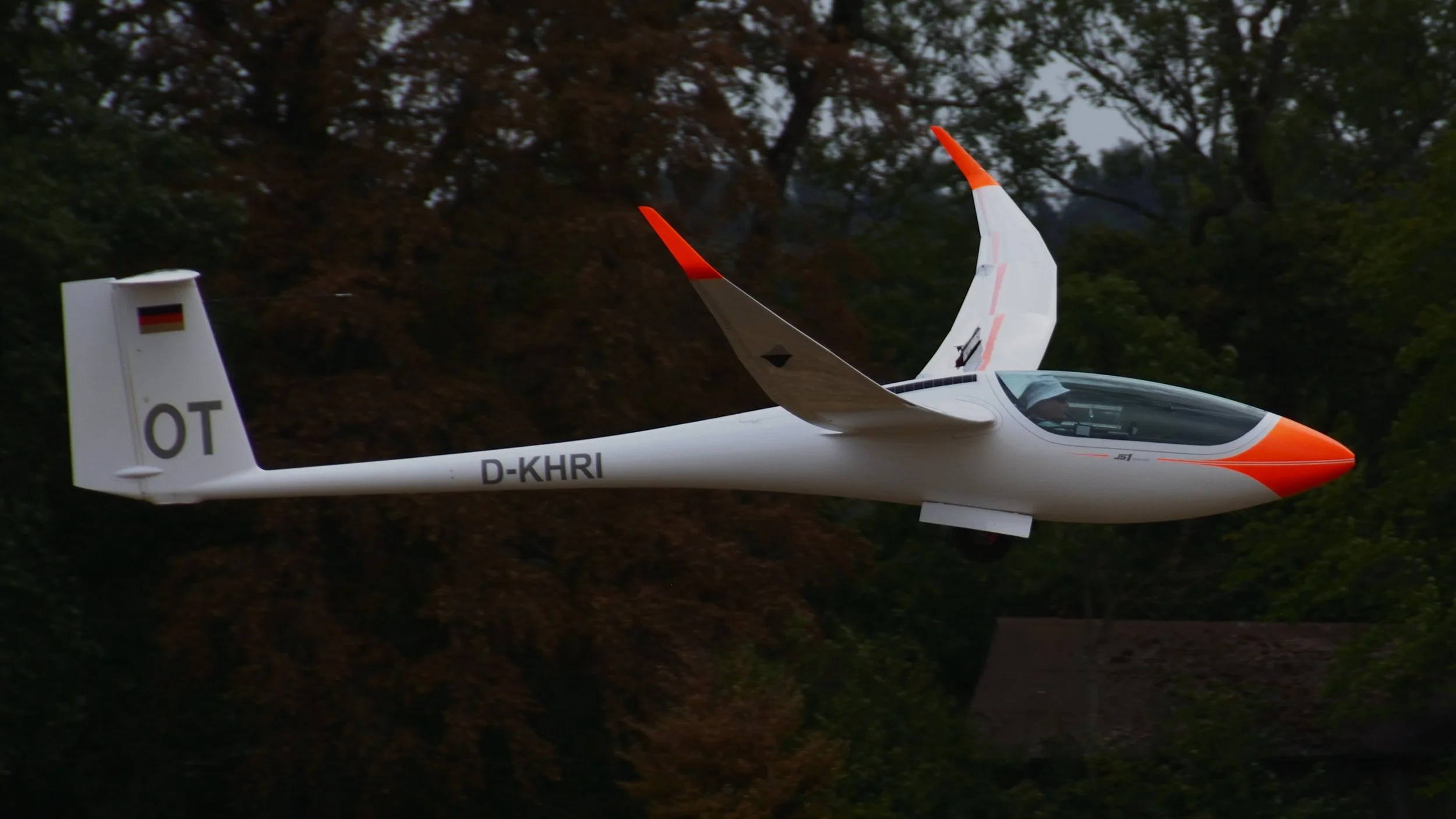
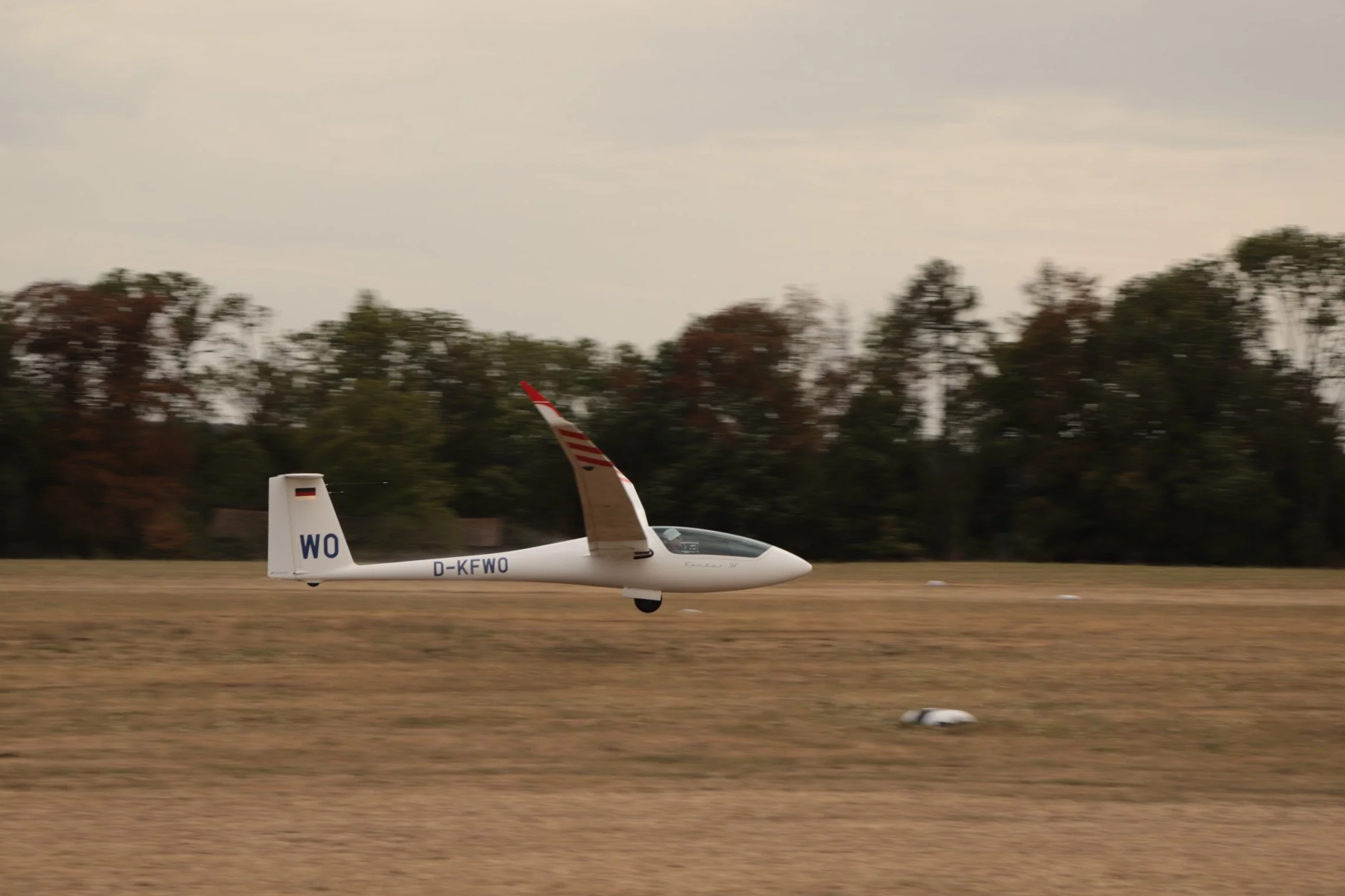
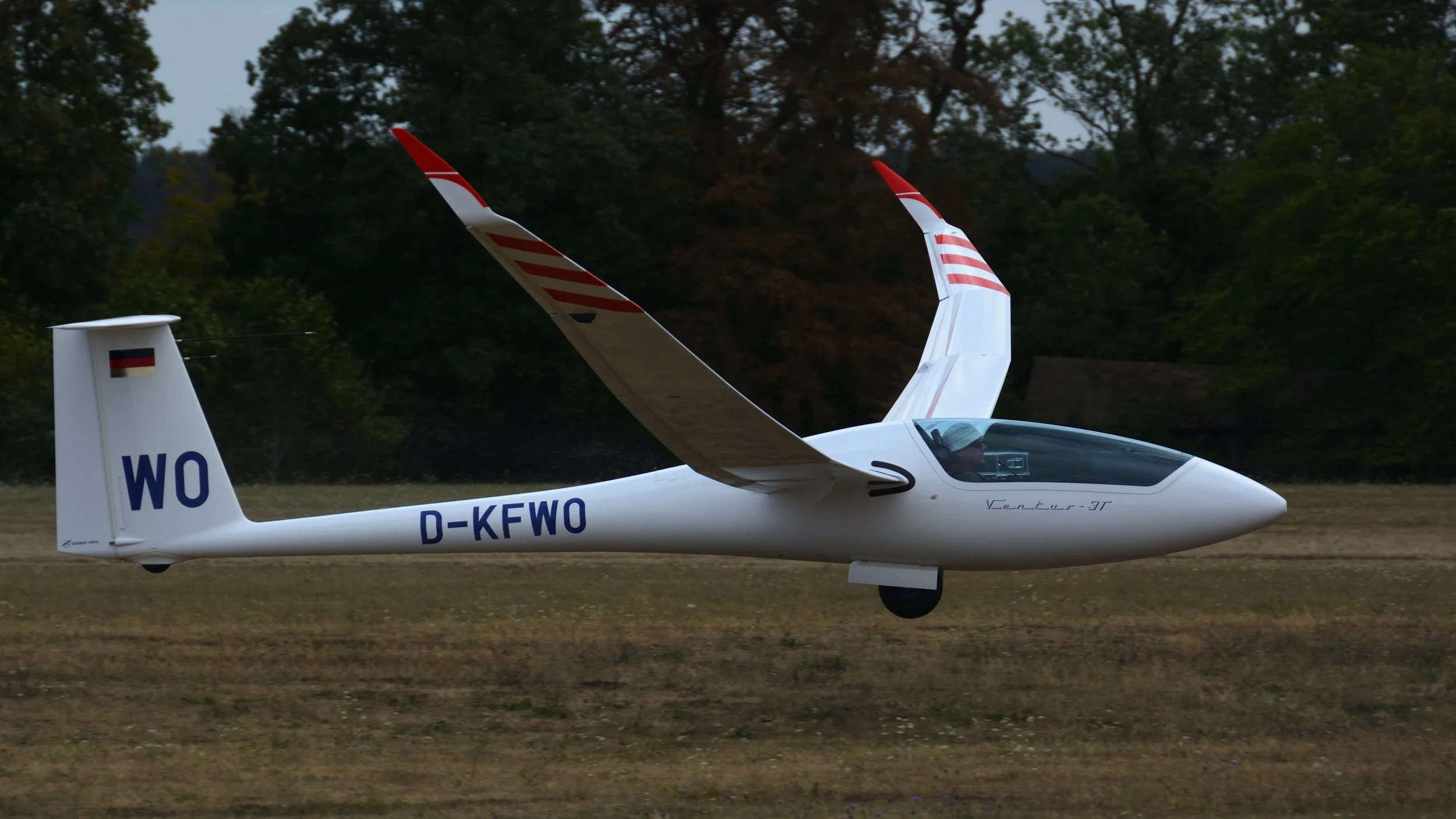
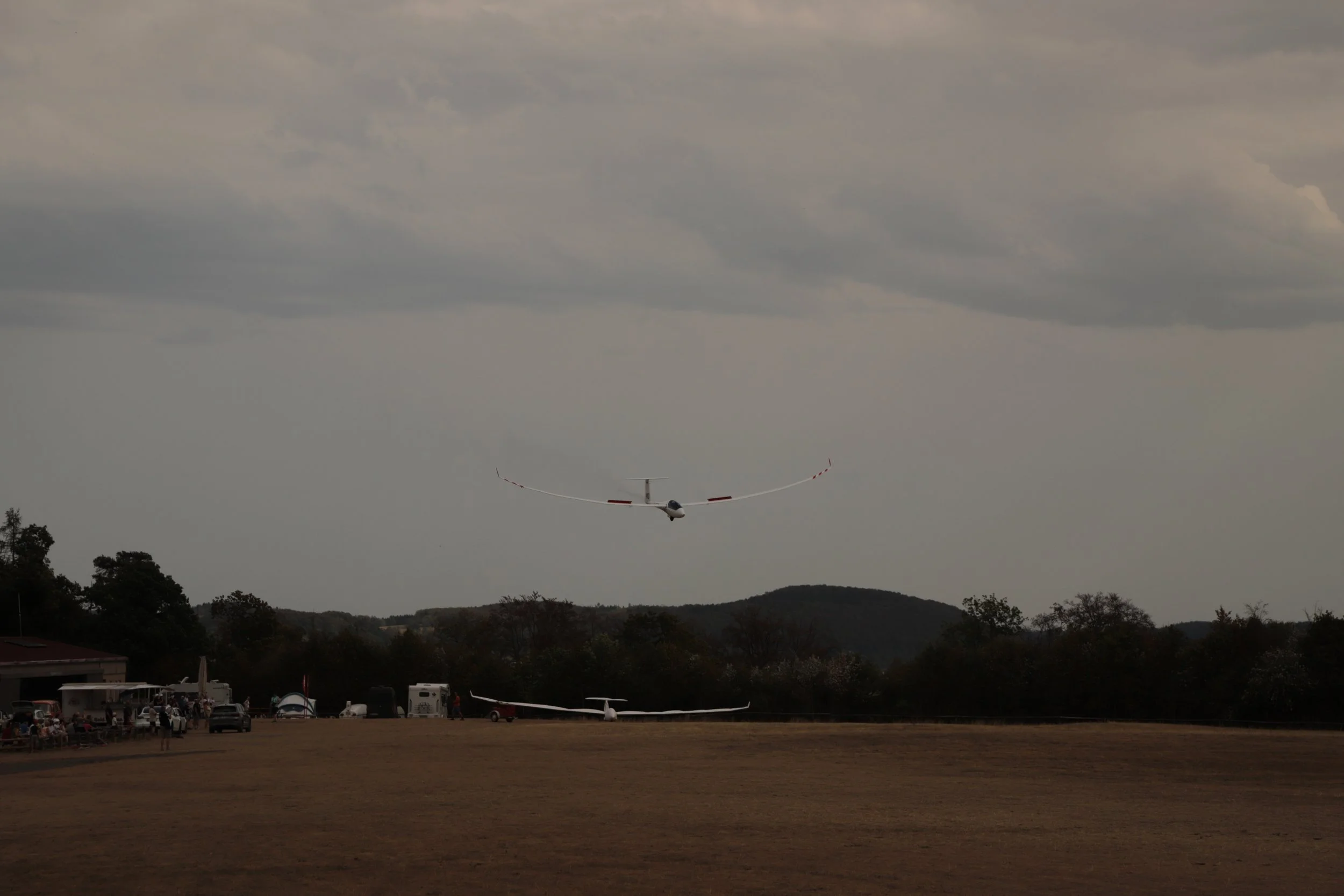
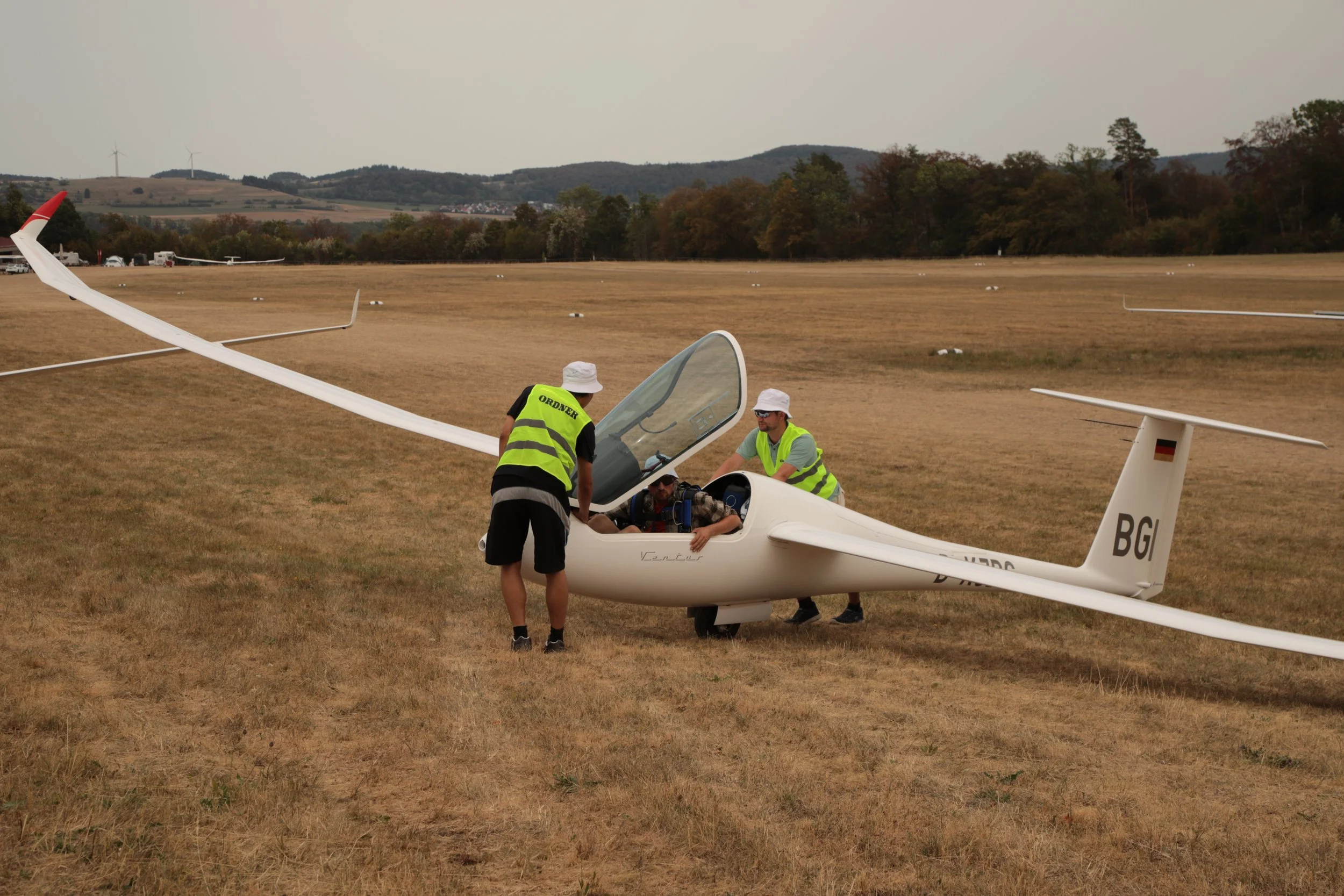
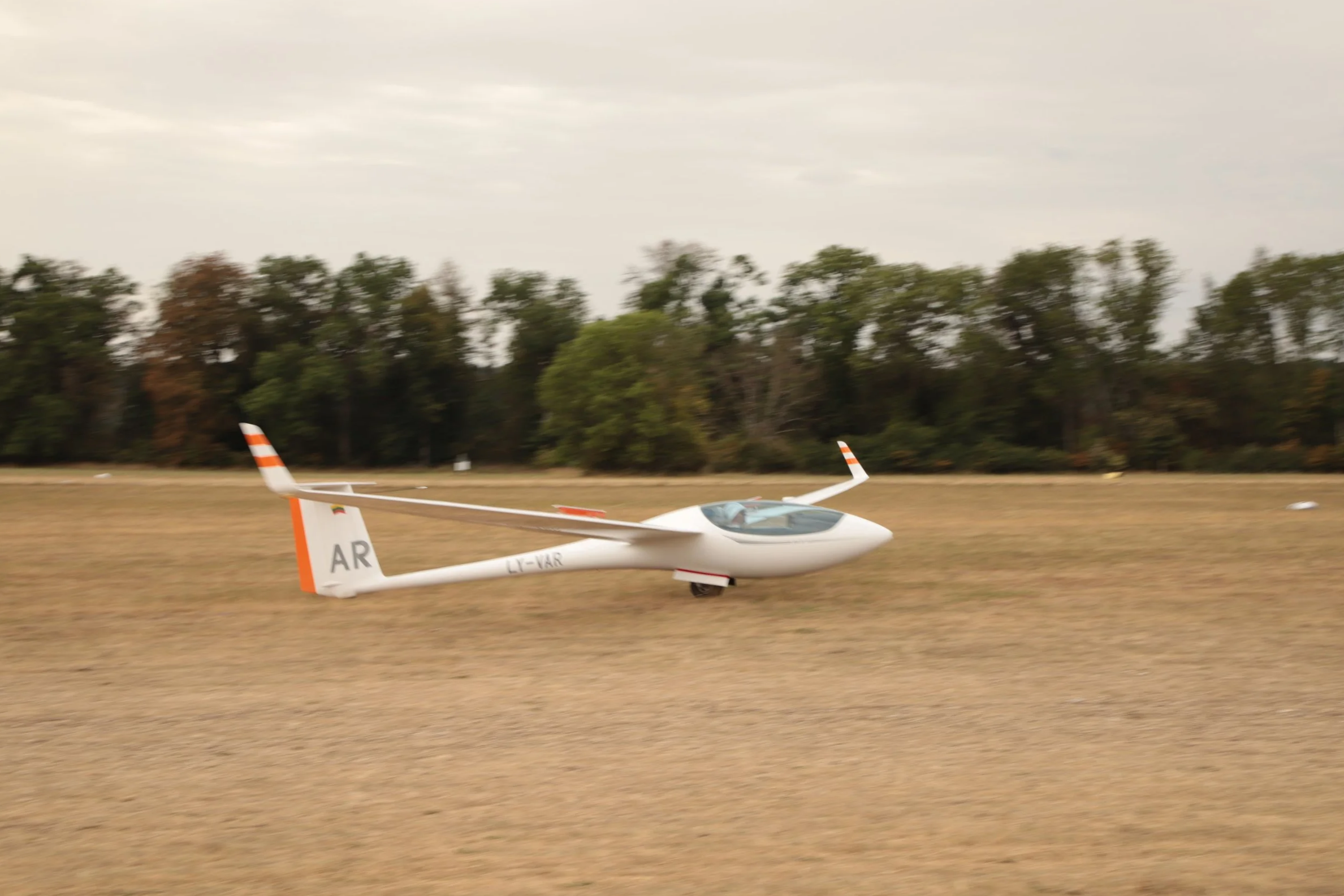
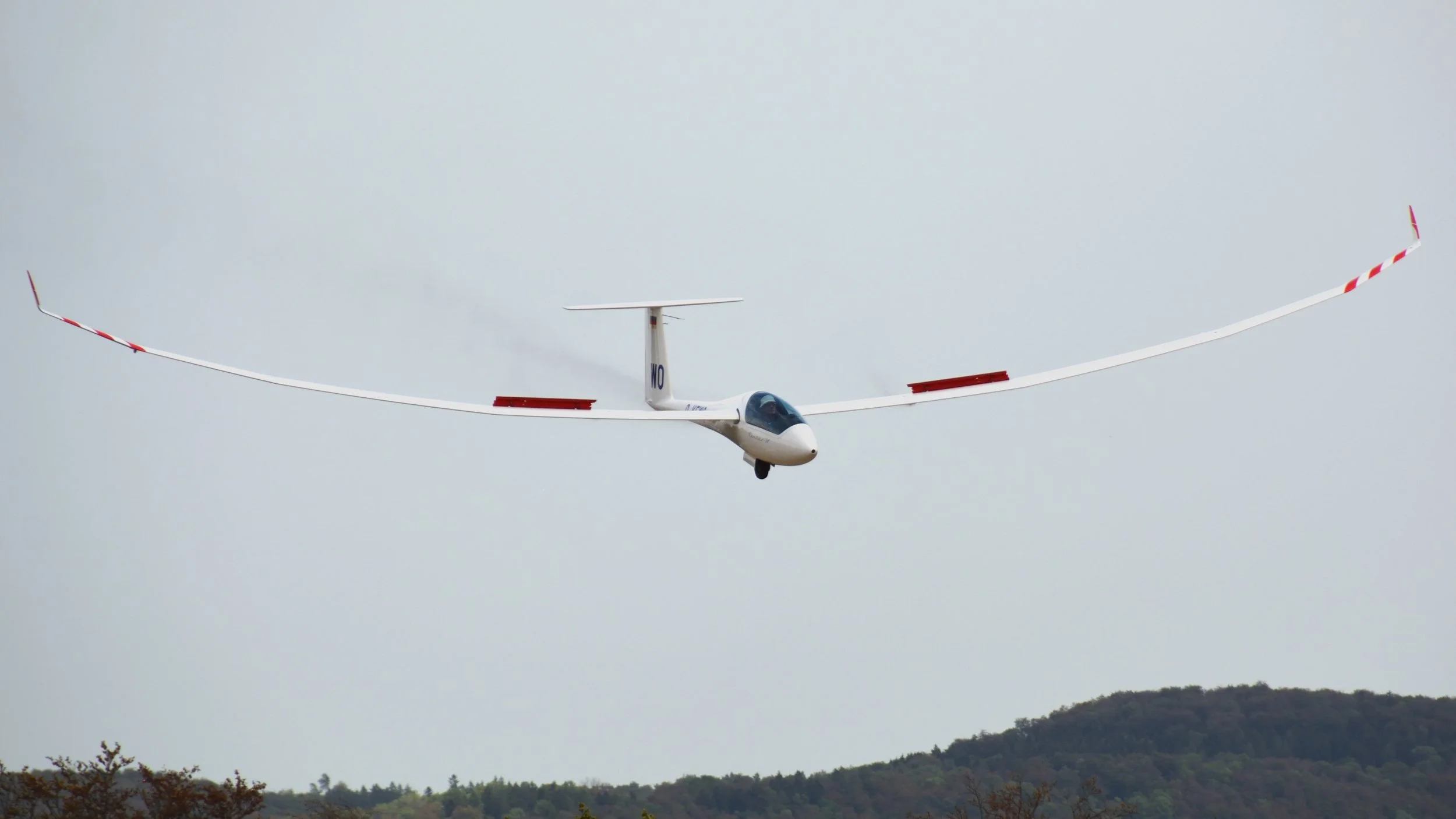
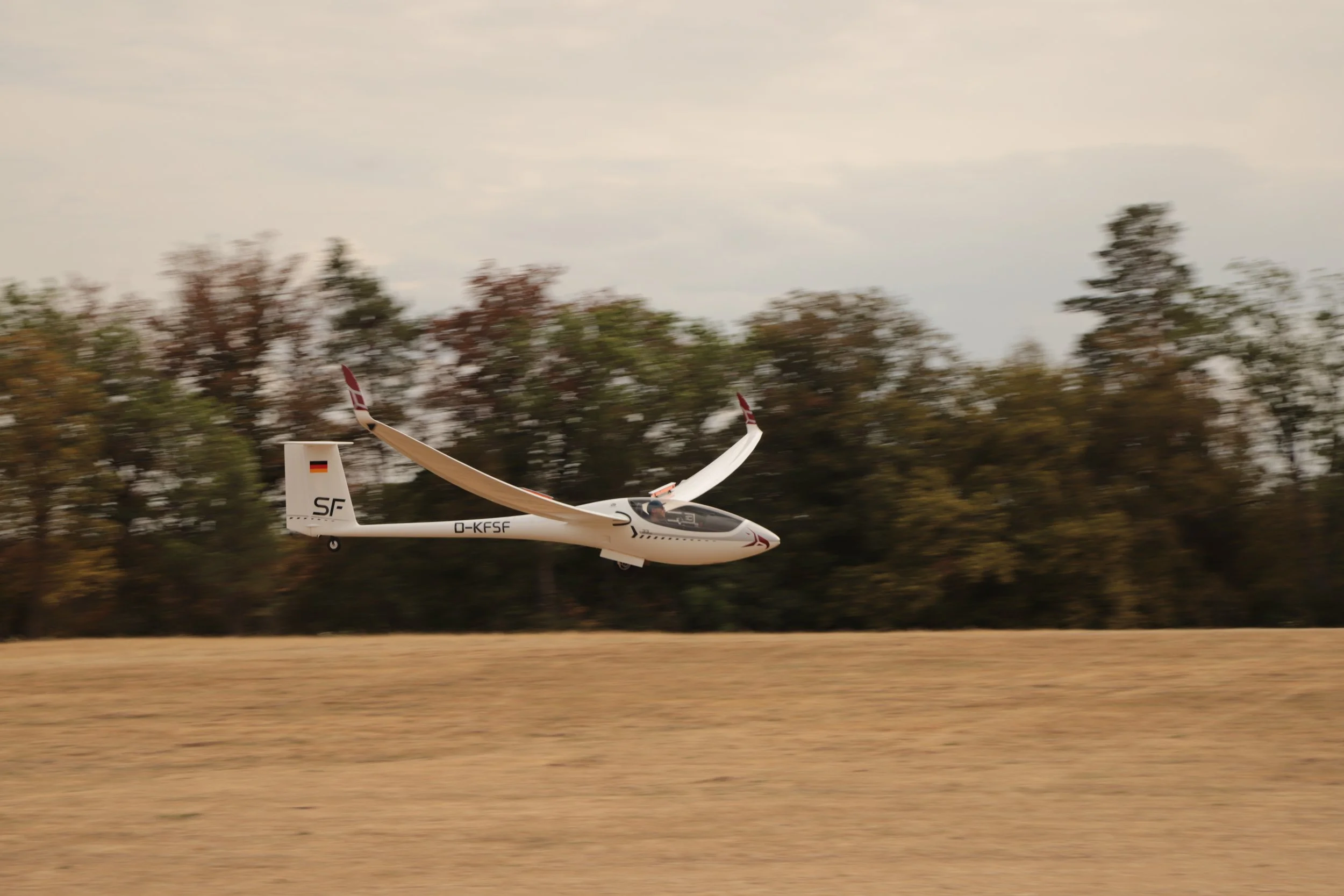
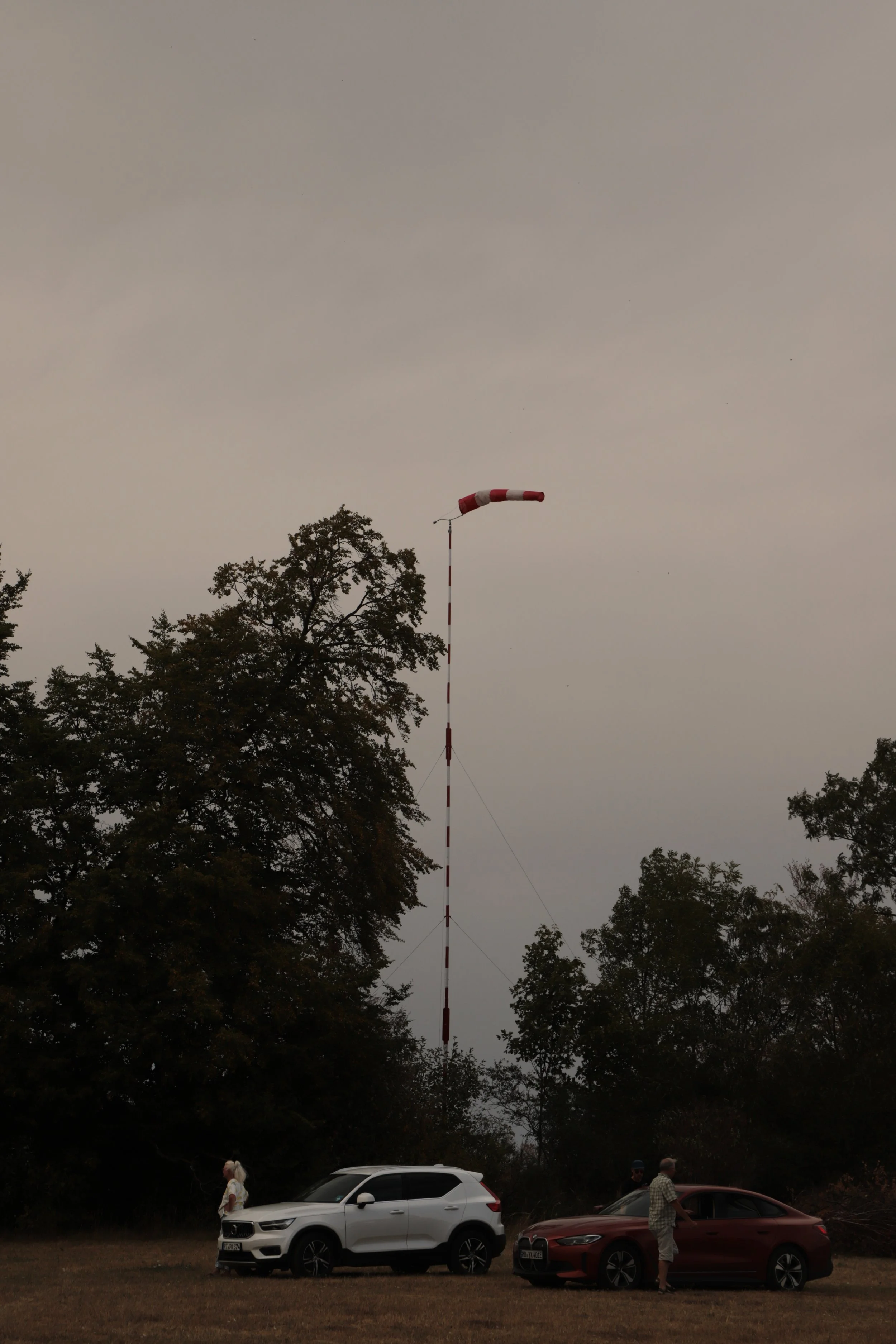
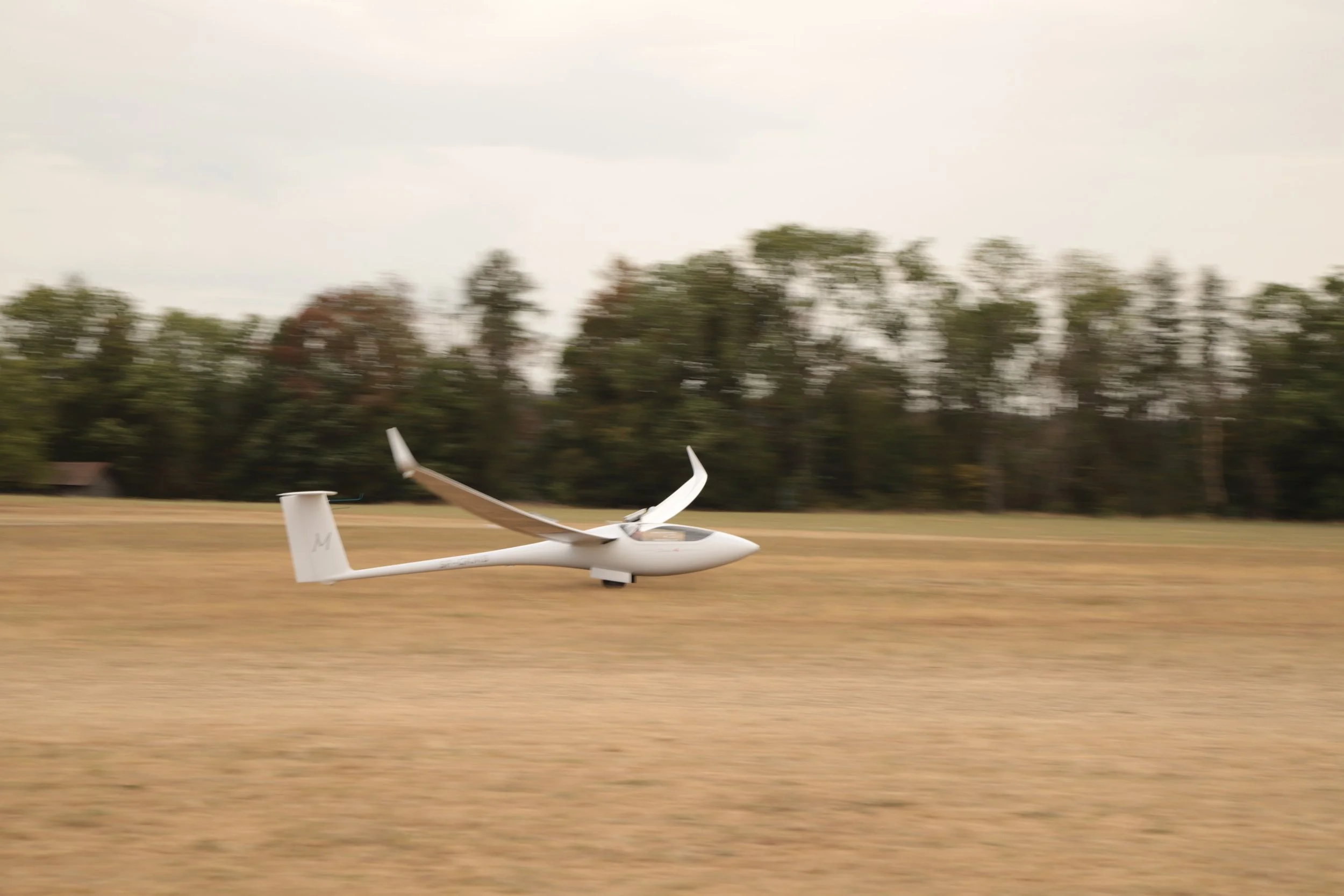
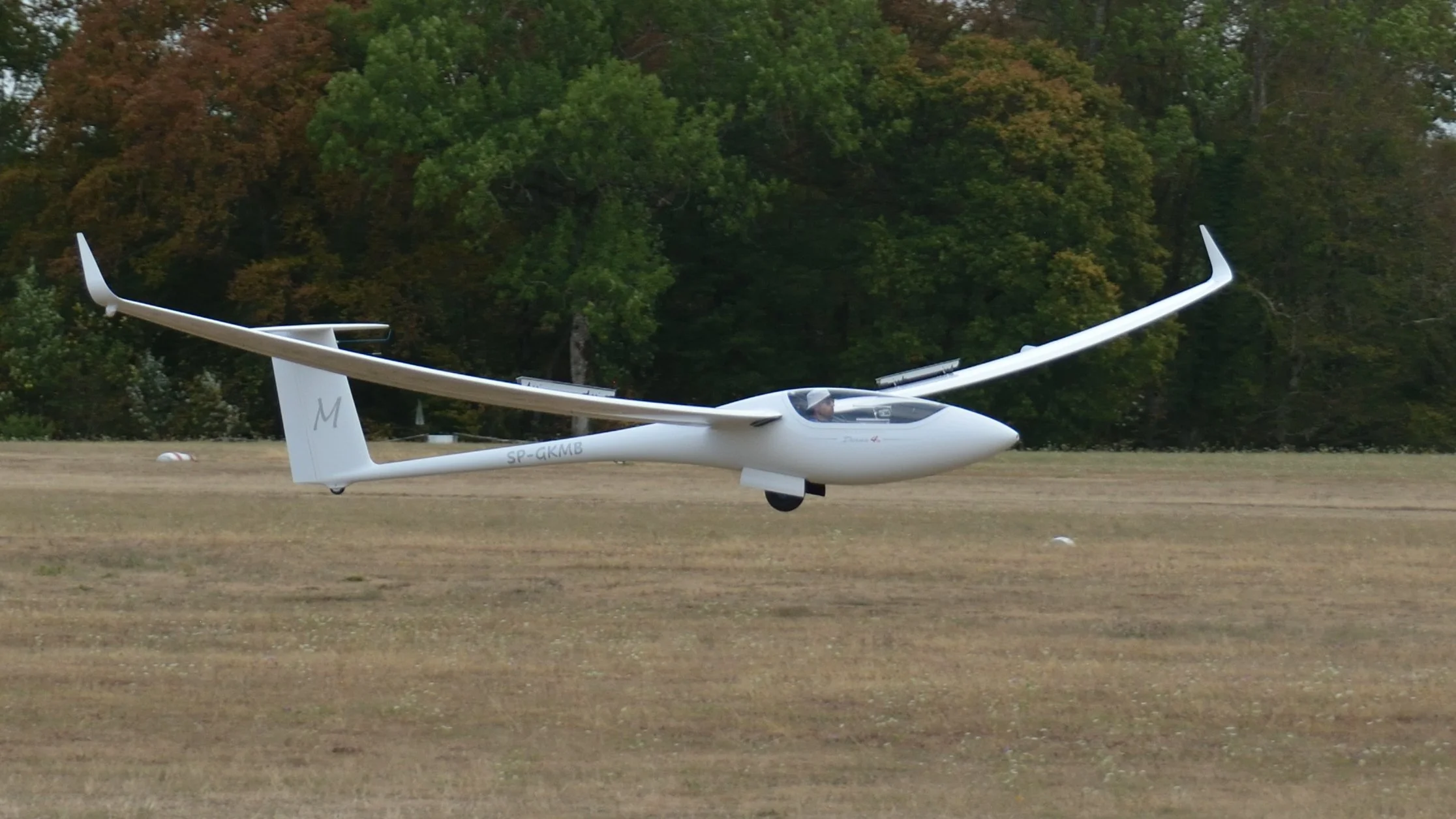
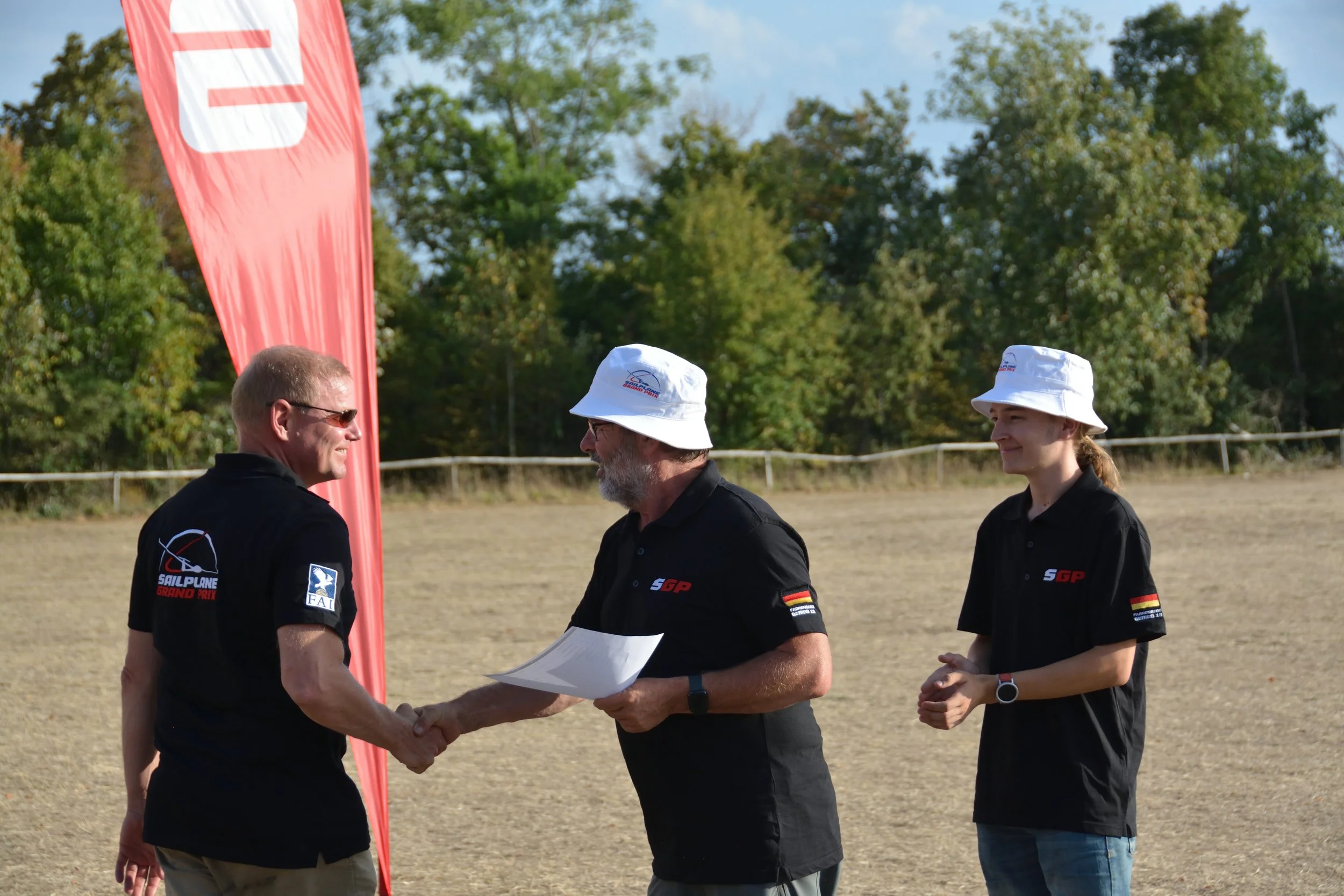
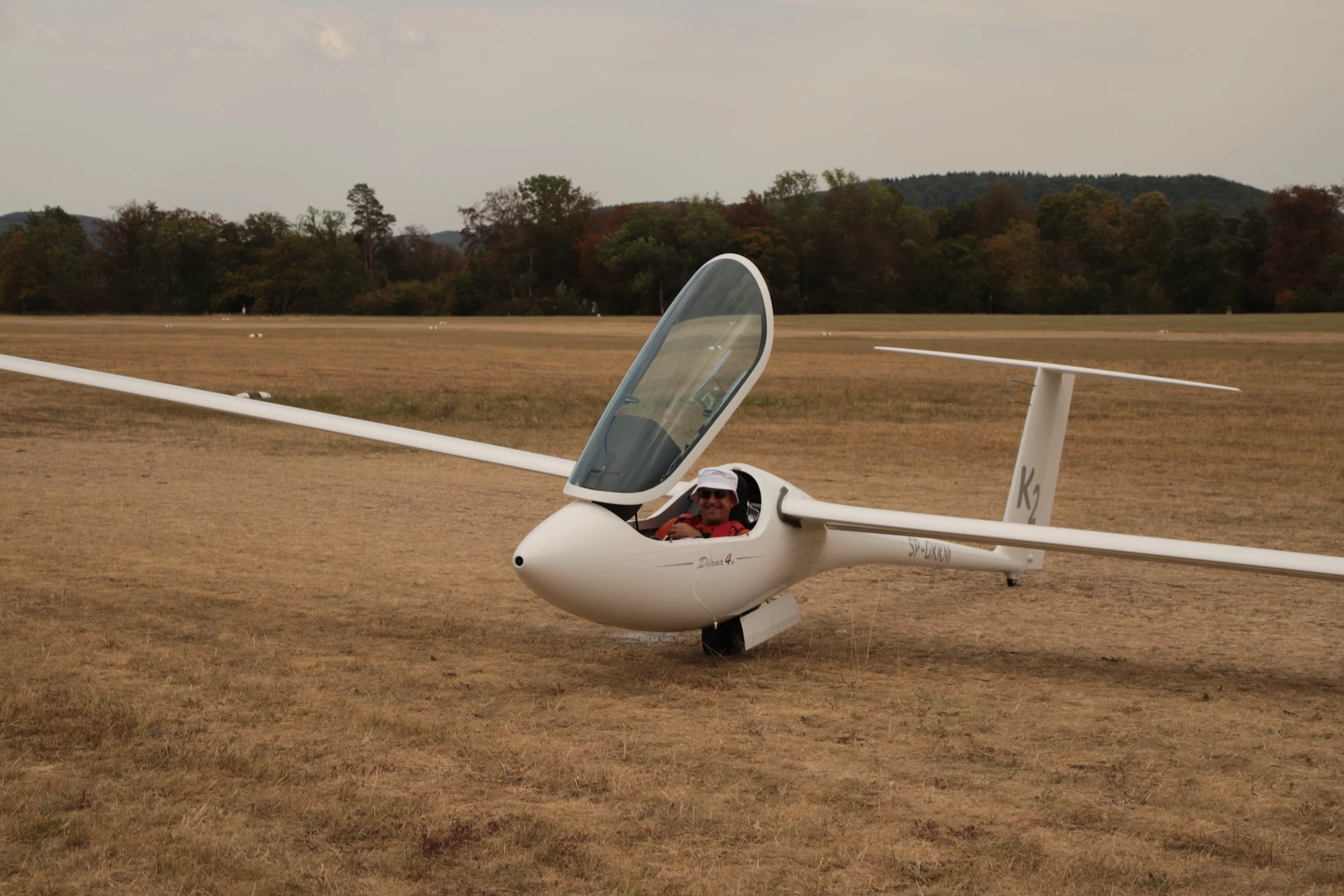
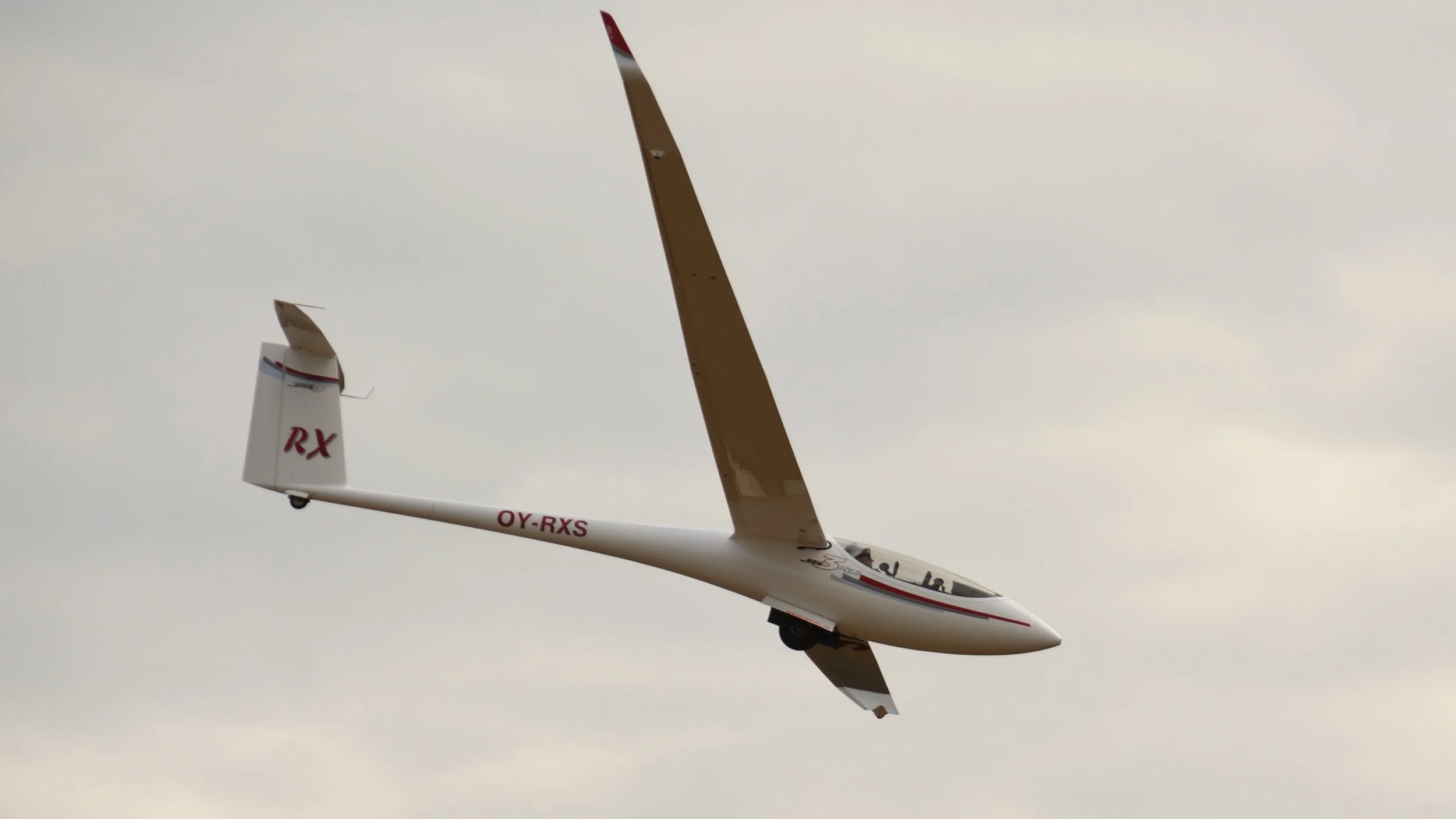
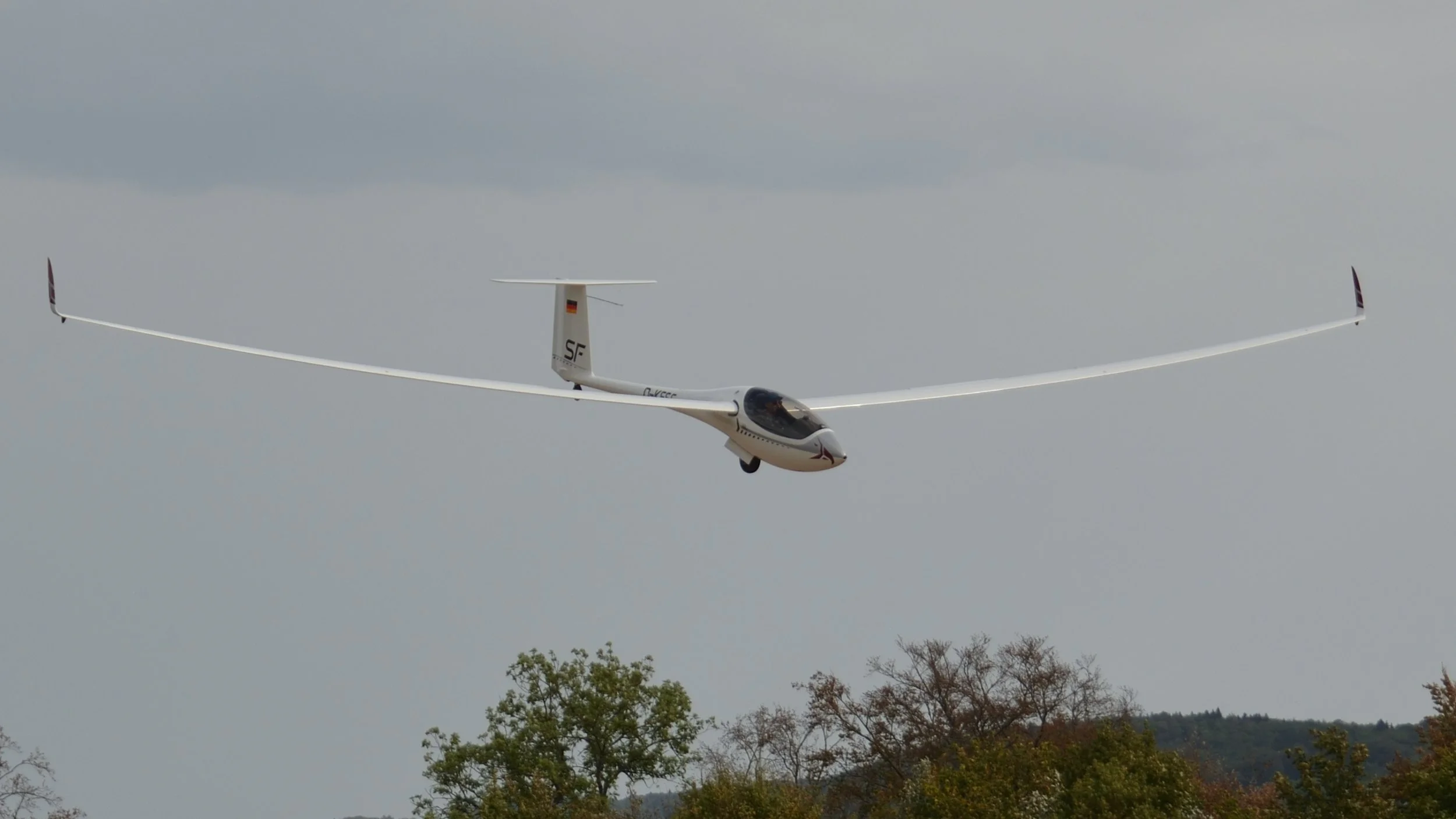
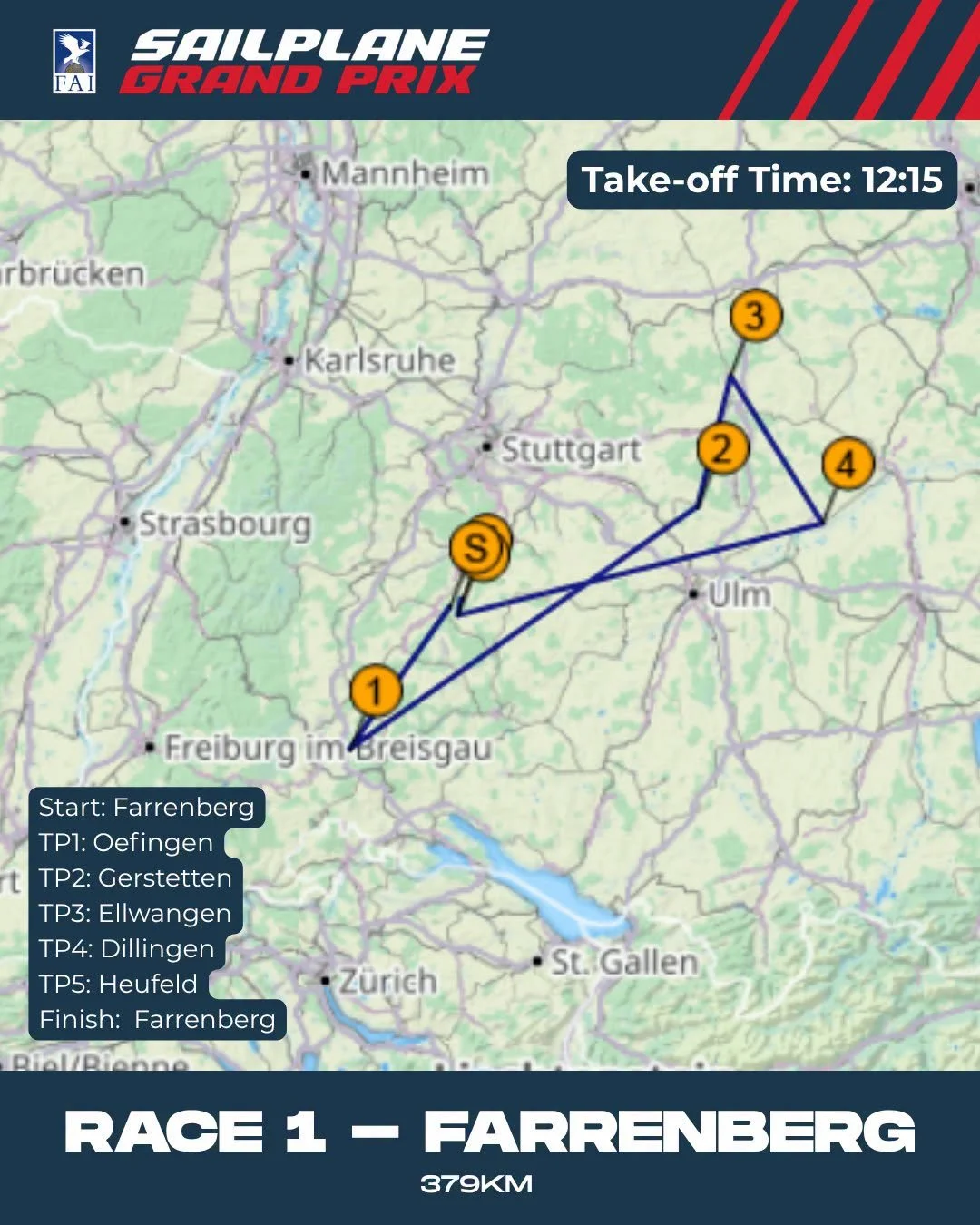
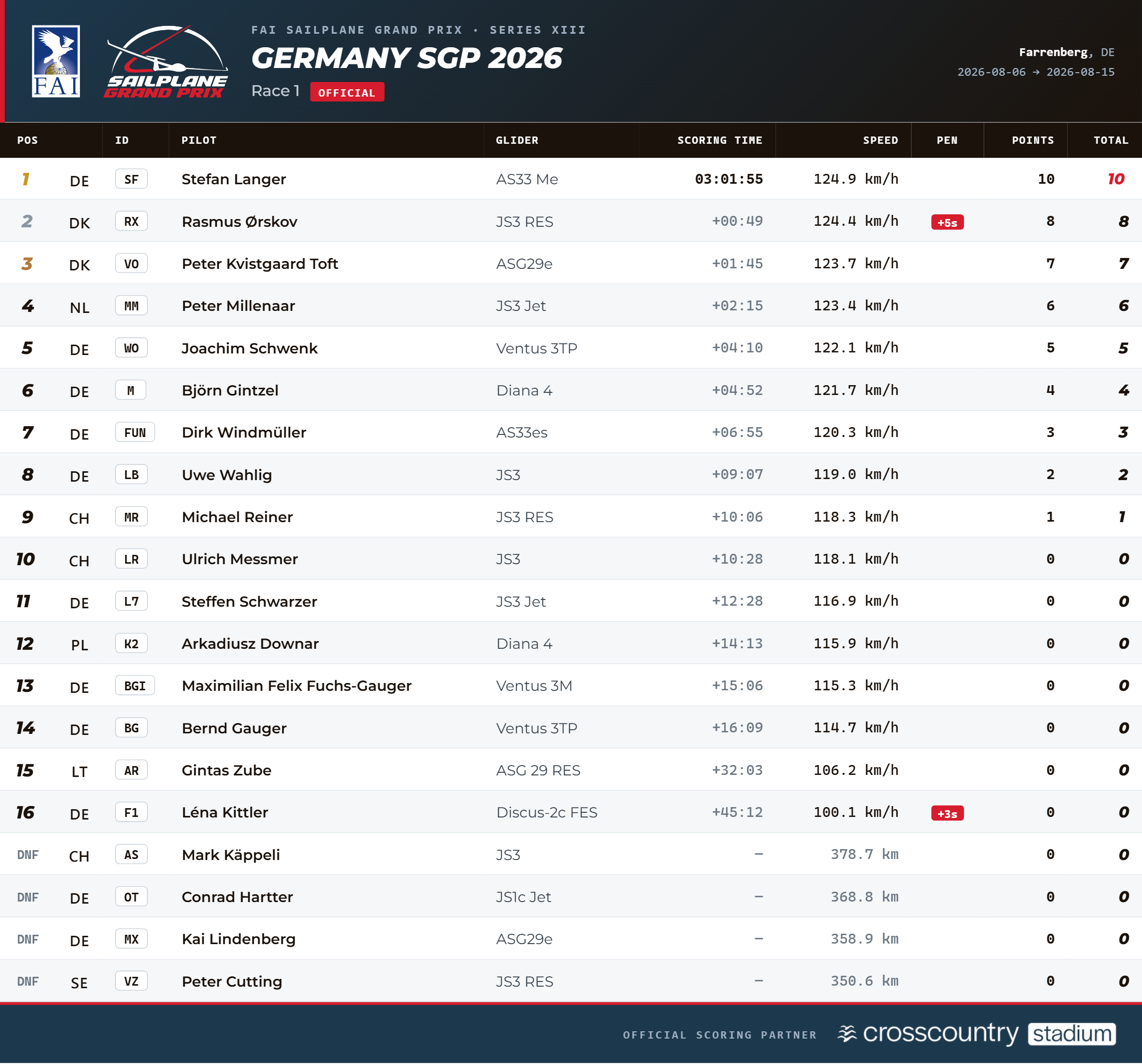
09/08/2026 - Farrenberg, Germany - The opening round of the FAI Sailplane Grand Prix of Germany delivered a phenomenal display of tactical gliding. What began as a high-speed sprint under cumulus clouds evolved into a complex meteorological chess match, testing the grid over a difficult 379-kilometer task. In a race defined by shifting weather and intense energy management, Stefan Langer (SF) executed a masterful comeback to take the top spot on the podium.
Leg 5 & The Finish (Weather Strikes): The final run to Farrenberg introduced severe variables, with heavy rain cells appearing on the track. Pilots were forced to aggressively alter their routes to avoid the sink and rain, causing the rankings to reshuffle completely. Langer (SF) expertly navigated the weather anomalies, crossing the reporting point (RP) first, followed closely by Rasmus Ørskov (RX), Peter Kvistgaard Toft (VO), and Millenaar (MM). Langer held his advantage to cross the finish line and secure the victory.
The Battle for the Podium: Energy Management Decides the Day

Overall speeds for the finishers clustered between 114 and 125 km/h, reflecting good heating energy with thermals that averaged 2.0 to 2.4 m/s. Stefan Langer (SF), piloting an AS33 (18m), claimed the victory with a time of 03:01:54, achieving an average speed of 124.7 km/h. His win was effectively sealed by decisive moves on two key legs:
Leg 3 (Gerstetten to Ellwangen): Langer pushed aggressively to post a speed of 149.4 km/h on this stretch. In contrast, Rasmus Orskov (RX) conceded the initiative early by managing only 123.7 km/h on the same leg.
Leg 6 (RP Heufeld to Farrenberg): This final leg produced a staggering speed spread of 133.8 km/h between the slowest and fastest pilots. Langer stormed home at 238.6 km/h. Orskov pushed hard at 223.2 km/h but could not close the gap, finishing 44 seconds behind the leader.
Peter Kvistgaard Toft (VO) secured the final spot on the podium in his ASG 29E 18m. He finished one minute and 45 seconds behind Langer with an average speed of 123.5 km/h.
Tactical Thermaling Across the Fleet
Behind the podium, the race was a story of thermal efficiency and split-second decision-making:
Peter Kvistgaard Toft (3rd): Toft logged the best individual climb of the top three at 4.0 m/s. He stopped for 46 thermals throughout the race. He arrived at the final leg with less energy, registering 208.0 km/h on the run to Farrenberg.
Joachim Schwenk (5th): Schwenk rounded out the top five, finishing four minutes and 11 seconds off the lead. He found the sharpest single climb in the leading group, peaking at 4.5 m/s in his Ventus 3T.
Bjorn Gintzel (6th): Kos demonstrated immense patience and efficiency to lead the mid-field. He recorded the highest average climb rate among all finishers at 2.4 m/s.
Race 1 has set a fiercely competitive baseline for the rest of the FAI Sailplane Grand Prix at Farrenberg. The board is set, the points are on the line, and the pilots are fully dialed into the challenging skies of the Swabian Alps.