The Local Pilots take over the Race and the Podium: Arne Martin Güettler Triumphs on SGP Norway Race Day 2
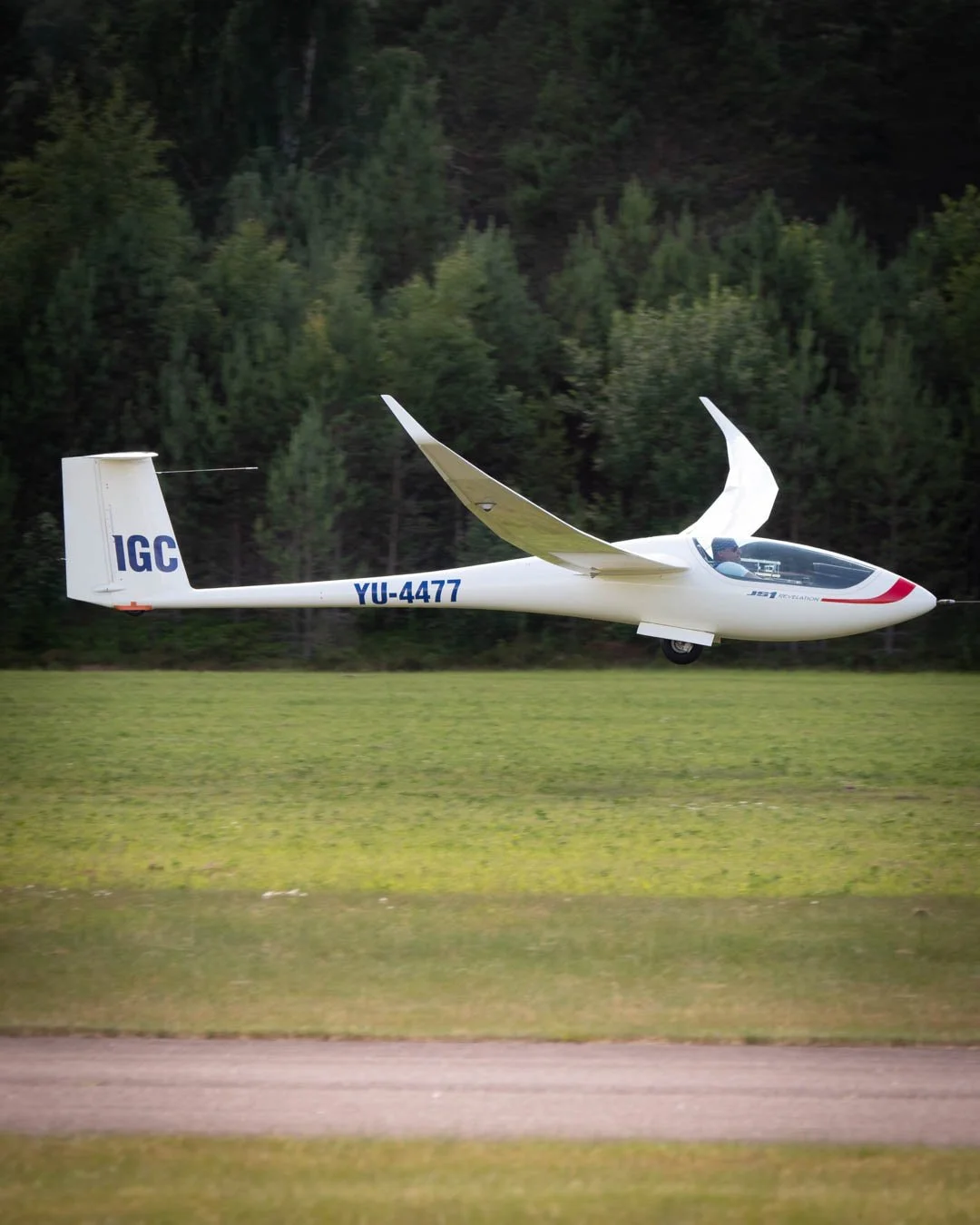

29/06/2026 - Starmoen, Norway - Another spectacular day of Grand Prix racing unfolded at Starmoen in Elverum, Norway, delivering incredibly close competition and a masterclass in tactical energy management. Thirteen pilots lined up for the 150 kilometre sprint through the Norwegian interior, and all thirteen made it home safely: a clean sheet that nevertheless masked a race of sharply unequal fortunes.
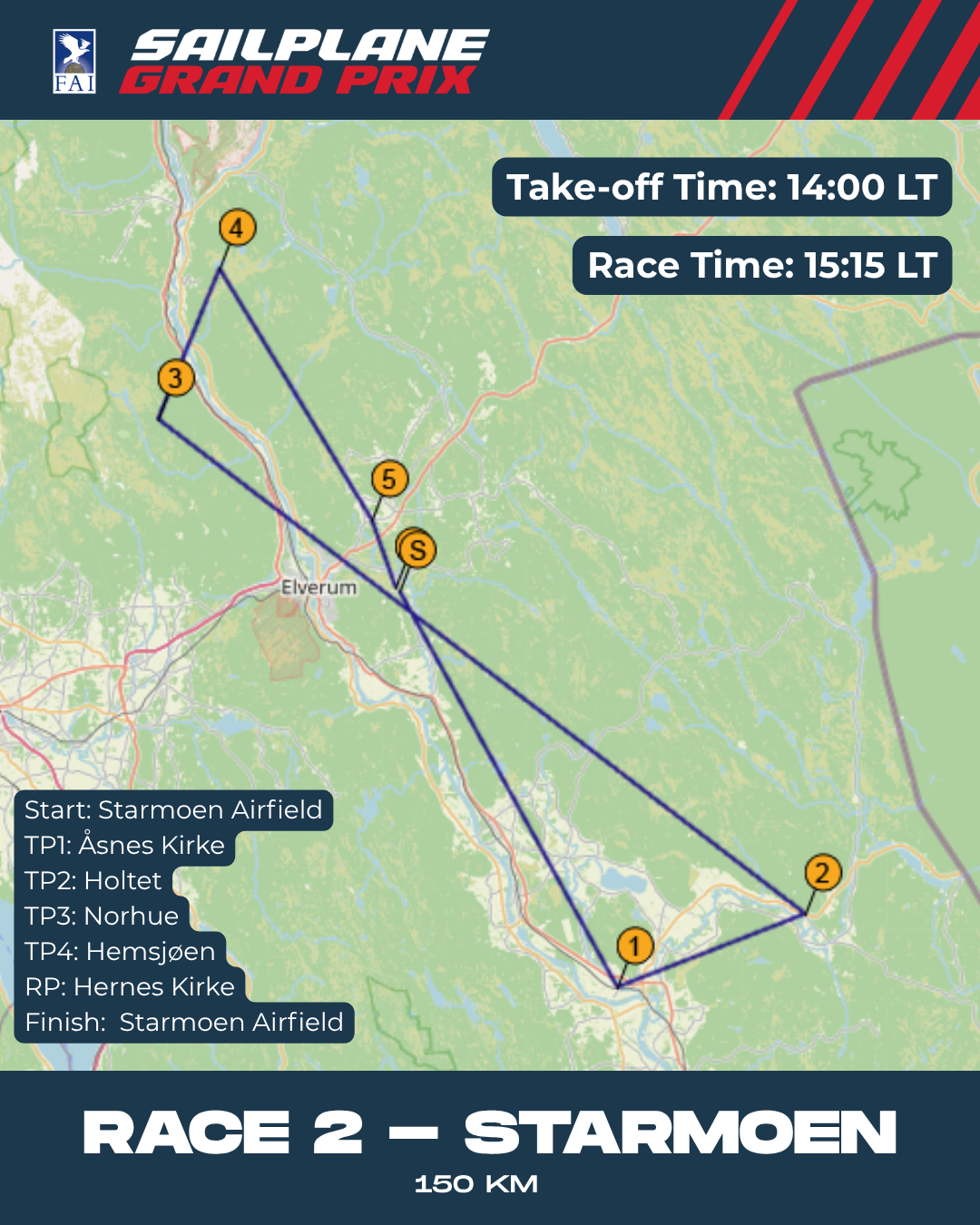
Weather and Task Overview
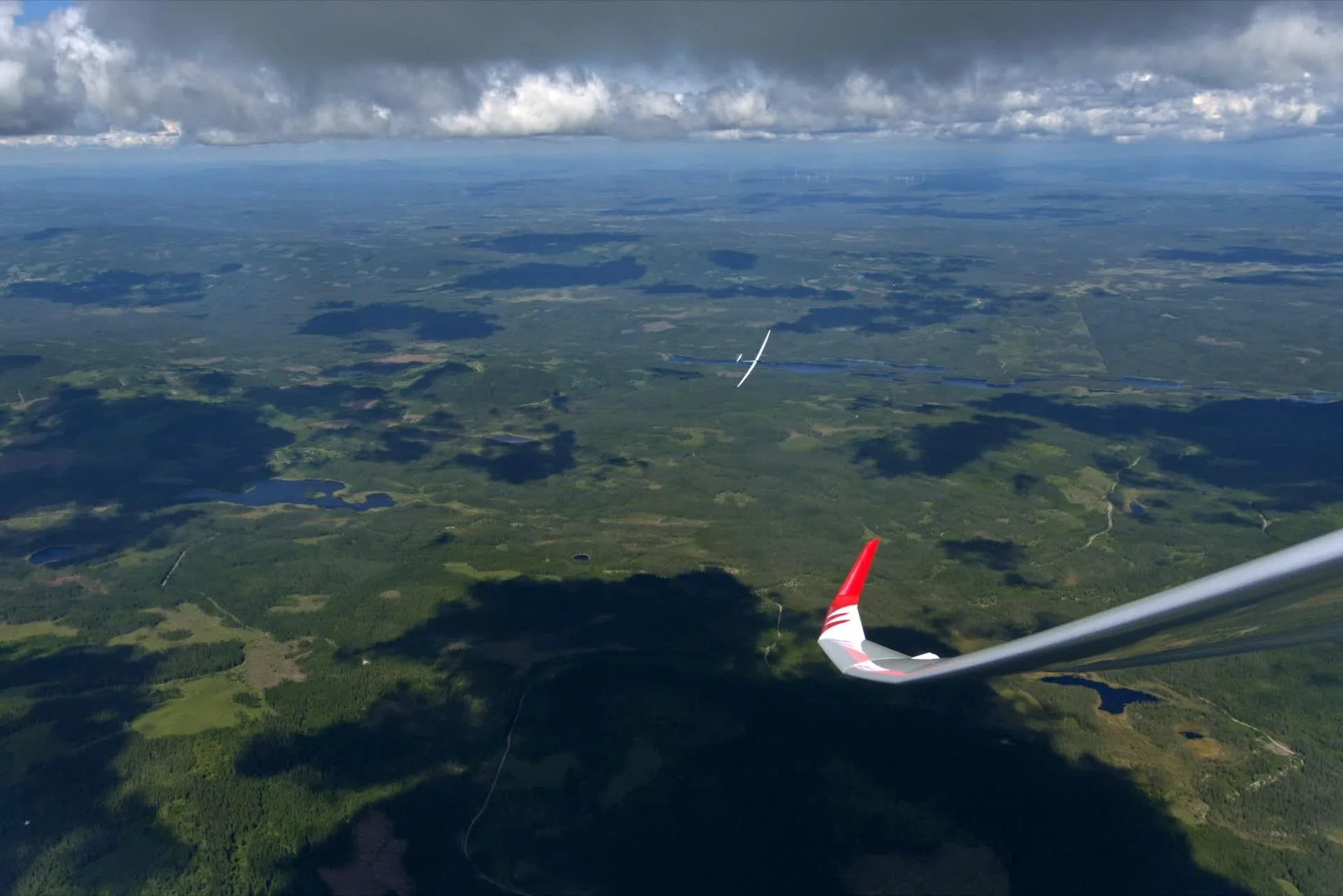
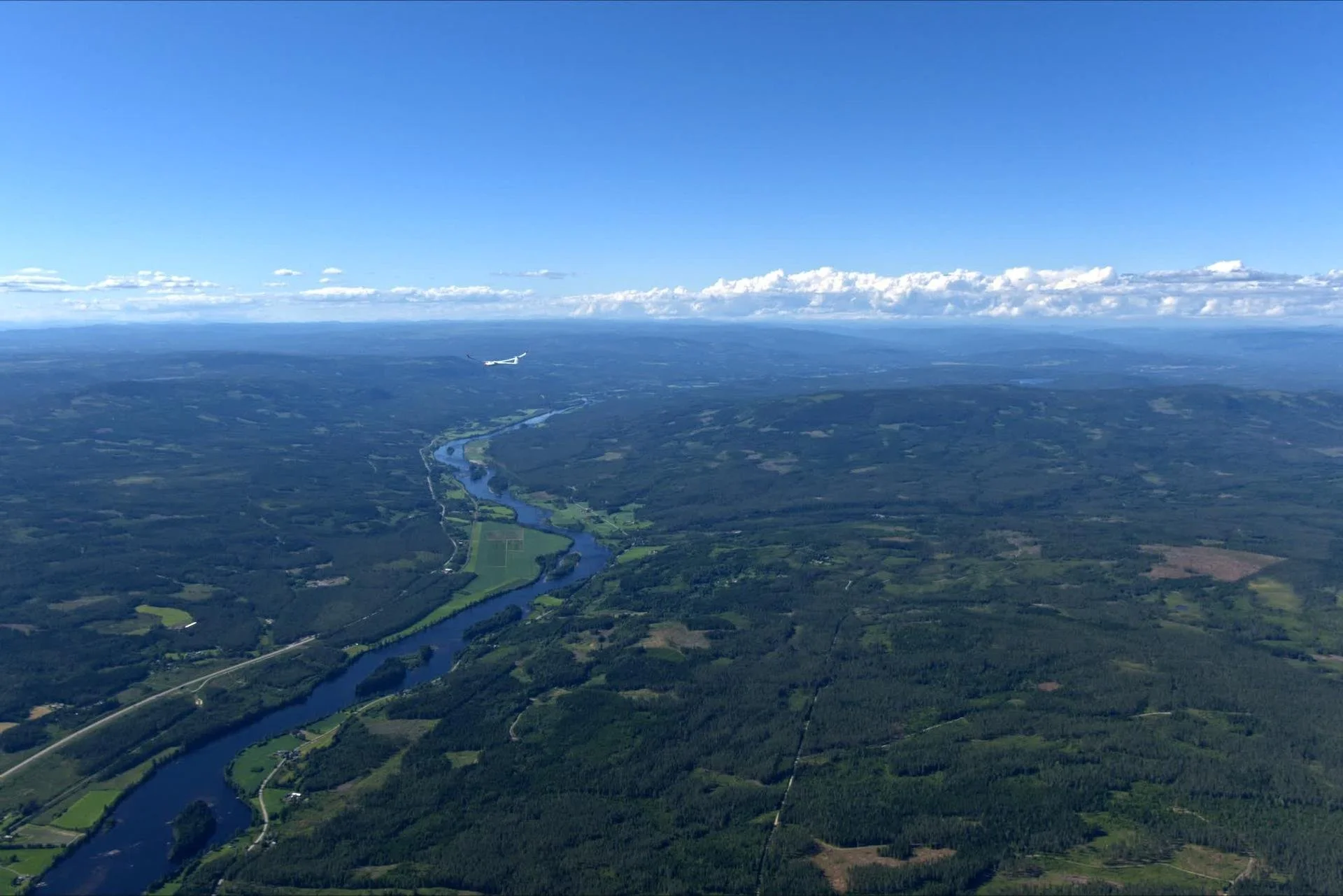
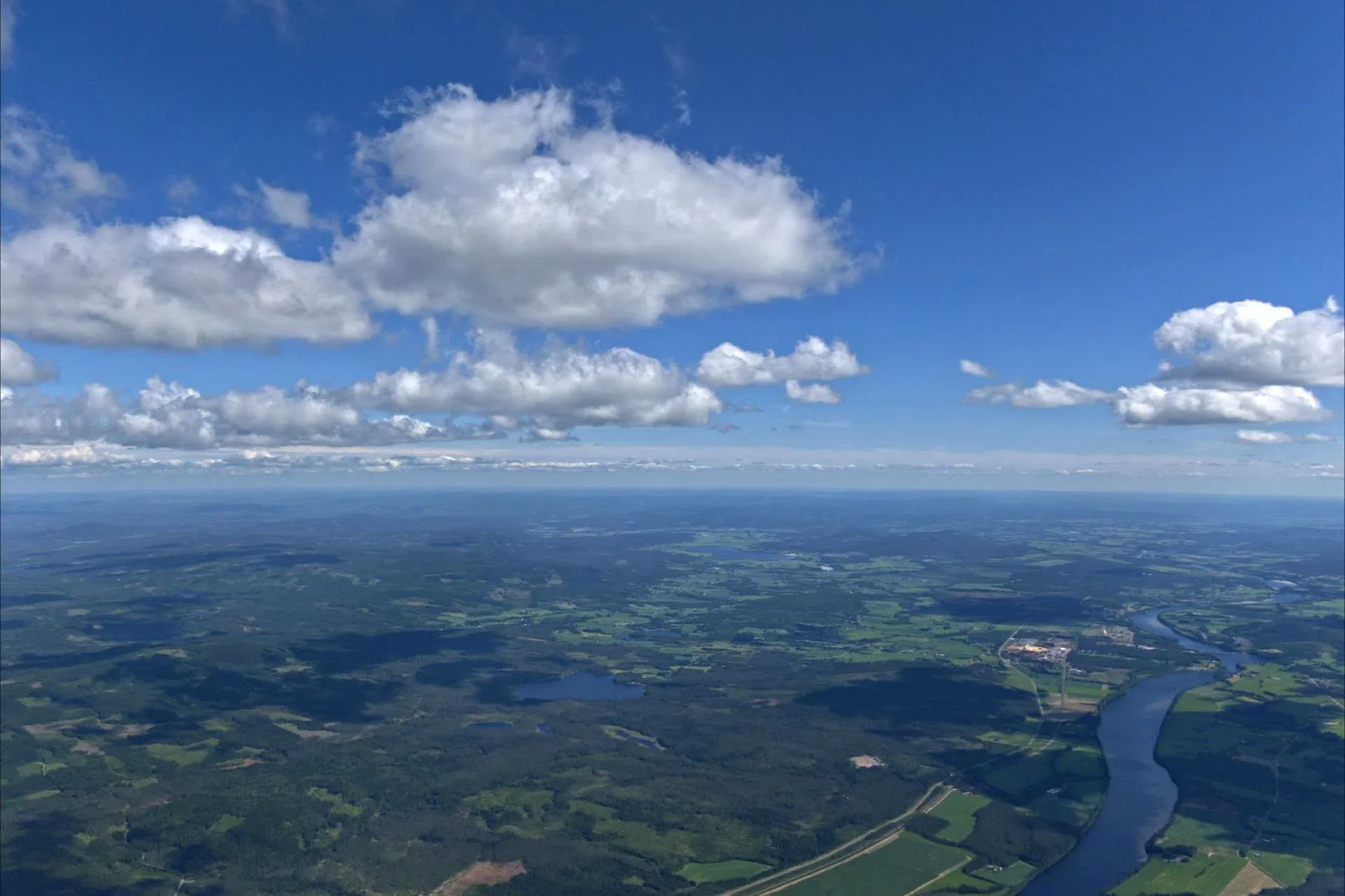
The morning began with significant meteorological uncertainty. Light rain left organizers and pilots facing a 50/50 chance of racing. However, a great weather window materialized by early afternoon. A cold front had passed, leaving behind a complex airmass with a localized moisture challenge. Winds proved demanding, gusting near 10 knots close to the ground with a steadier 20-knot flow at altitude.
The task was designed to navigate not too far from the airfield, with five distinct turnpoints: Starmoen → Åsnes kirke → Holtet → Norhue → Hemsjøen → Hernes kirke → Starmoen Finish N.
Scoring speeds clustered between 106 km/h and 113 km/h across the bulk of the field, reflecting proper lift. Thermal averages hovered around 2.0 m/s, with only a handful of pilots occasionally cracking 3.0 m/s in brief, localized cores.
Leg 4: Where the Race Was Won
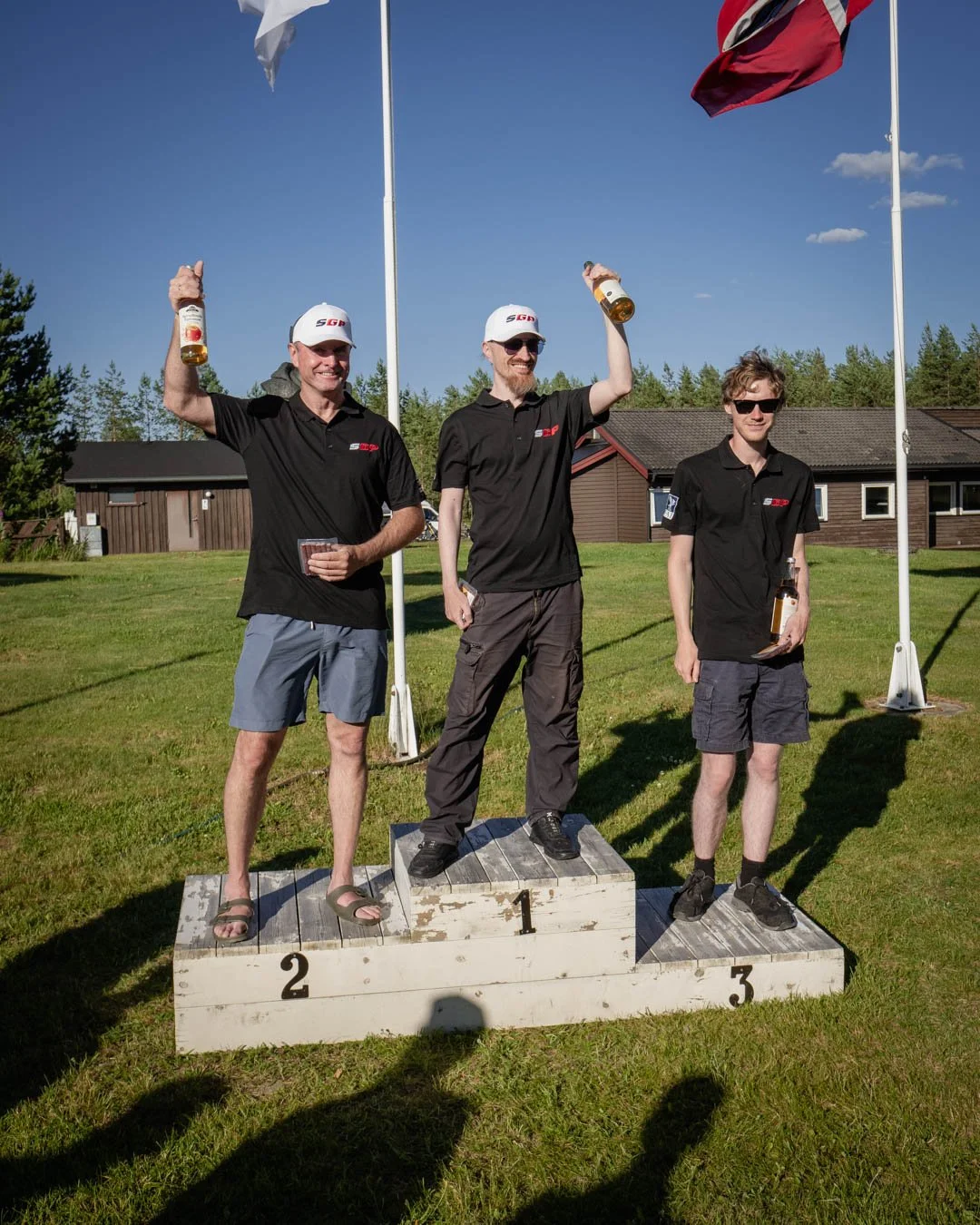
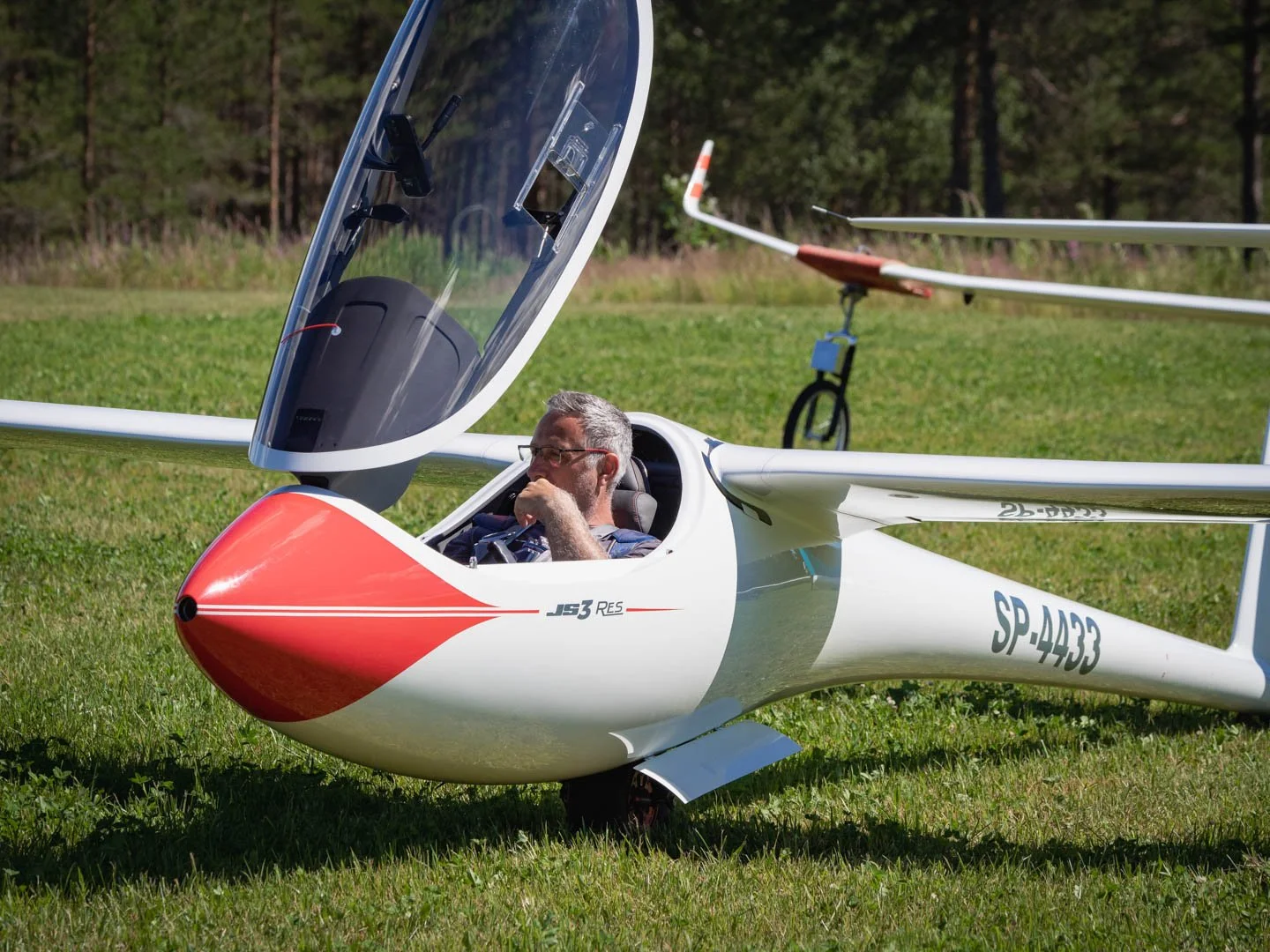
While Grand Prix racing is often associated with pure, unadulterated speed, today’s victory was built on calculated restraint. Arne Martin Güettler (MA), flying his JS3 RES, secured the top spot by 37 seconds over an exceptionally strong chasing pack.
Data analysis reveals that the entire race turned on Leg 4, the run to Norhue. The speed variability across the field on this single leg was a staggering 117.3 km/h, the widest margin of any segment by far. Rather than stopping on Leg 3, Güettler pushed hard in controlled investment and bet, as he placed a coordinated attack with his compatriots Kato Kvitne (EL) and Eirik Brenner Marthins (LA) to reach Mt Holshaugen (647m) at just above ridge altitude to get a typical thermal that is very well known but the locals. They patiently took this climb, consolidated their altitude, and arrived at the final two legs with a massive energy advantage.
With a comfortable altitude cushion, Güettler unleashed blistering speeds of 157.9 km/h on Leg 5 and an unmatched 228.2 km/h on Leg 6, the fastest final leg of the entire fleet. The race wasn't won by rushing through the difficult air, but by managing the transition out of Holtet perfectly.
The Podium Battle
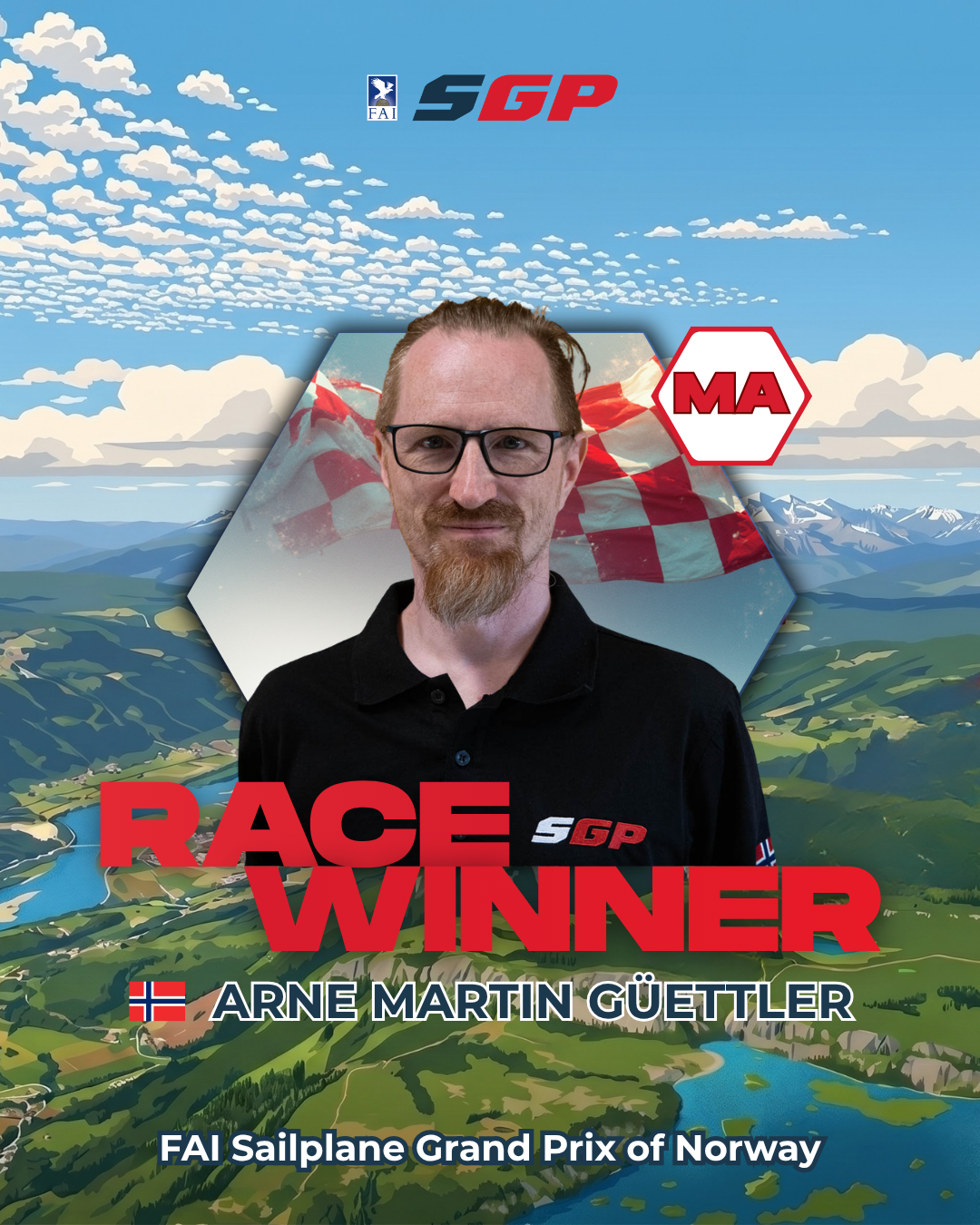
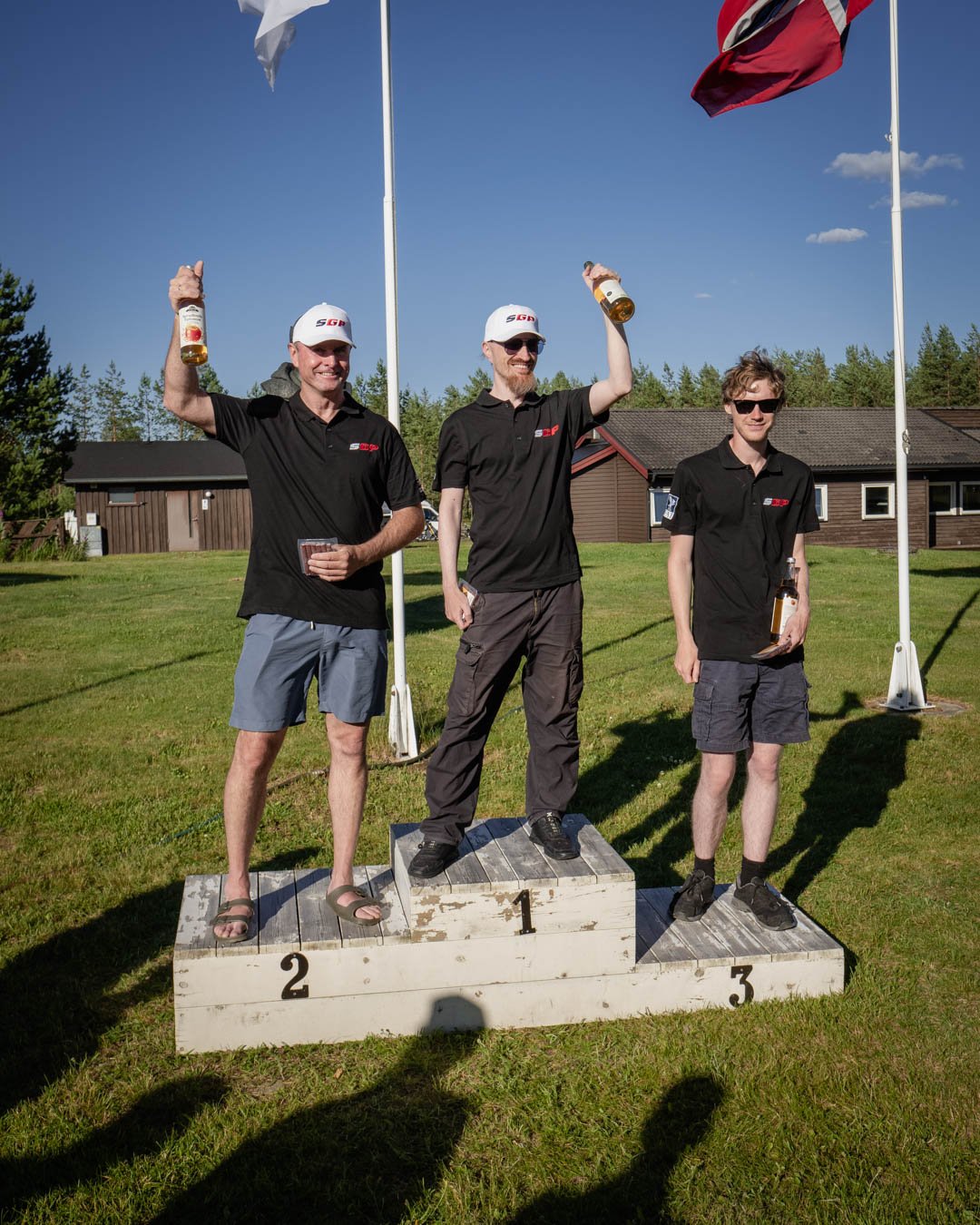
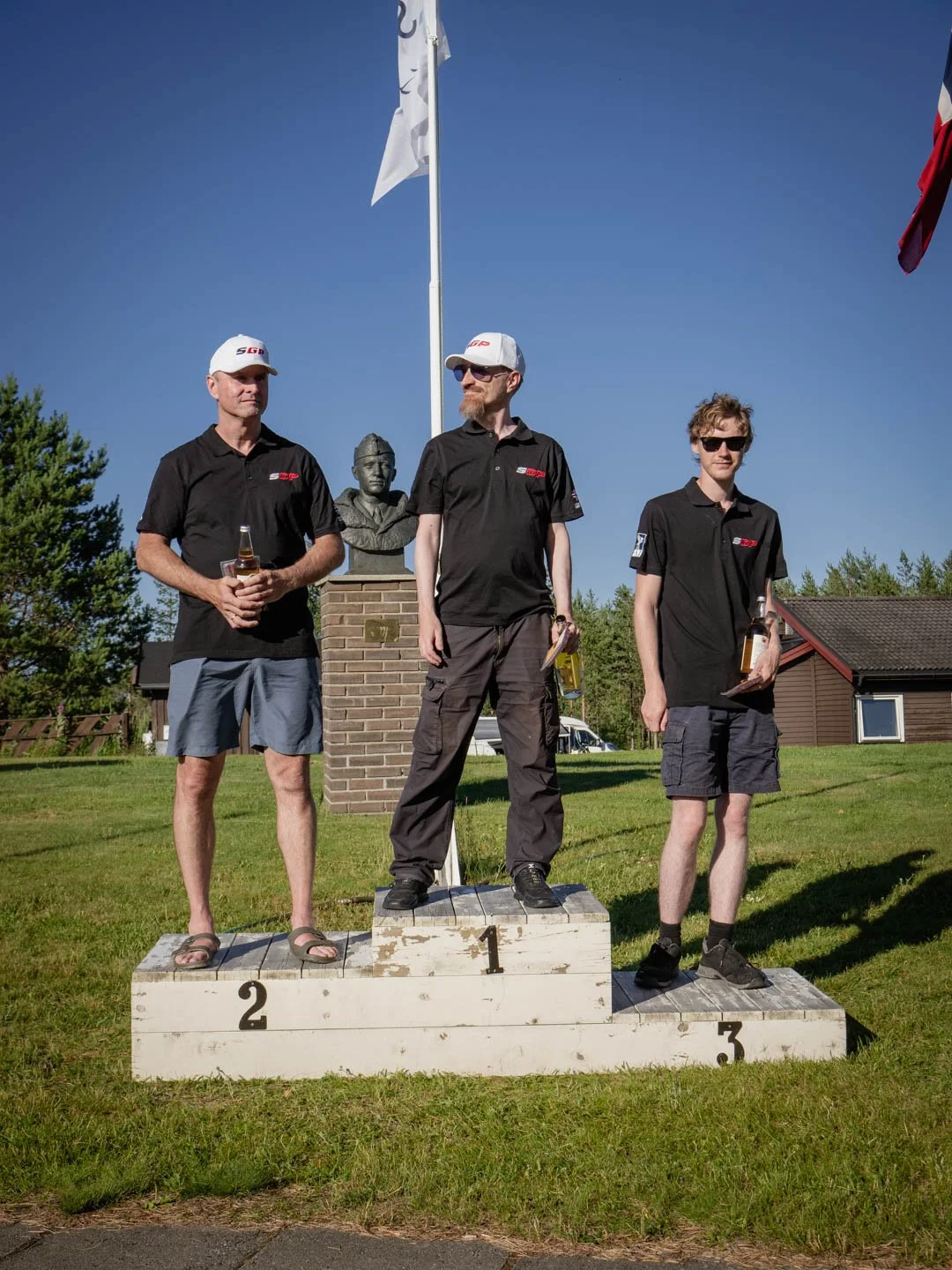
1st - Arne Martin Güettler (MA | JS3 RES 18m): Finished in 01:19:17 at an average speed of 113.4 km/h. Güettler spent 40% of his flight climbing, utilizing 13 thermals with an average climb rate of 2.0 m/s. His strategic patience paved the way for a flawless 10-point victory.
2nd - Kato Kvitne (EL | JS-3 Res 18m): Crossed the line just 37 seconds back. Kvitne displayed the best raw performance on the podium, clocking an average climb rate of 2.3 m/s and tagging a 3.4 m/s peak thermal. However, his race stalled on Leg 4, where he fell to a field-low 71.1 km/h among the frontrunners. Despite recovering brilliantly with 185.8 km/h and 213.6 km/h on the final legs, the gap was already too wide to close on MA.
3rd - Eirik Brenner Marthins (LA | ASG 29E 18m): Finished a mere 4 seconds behind Kvitne to round out the podium. Marthins was the epitome of soaring efficiency, executing just 12 climbs and spending only 34% of his time circling. A composed final glide at 204.7 km/h secured a highly tactical third-place finish.
Deep-Field Analysis
The chasing pack saw intense micro-battles where small routing deviations yielded massive timing deltas.
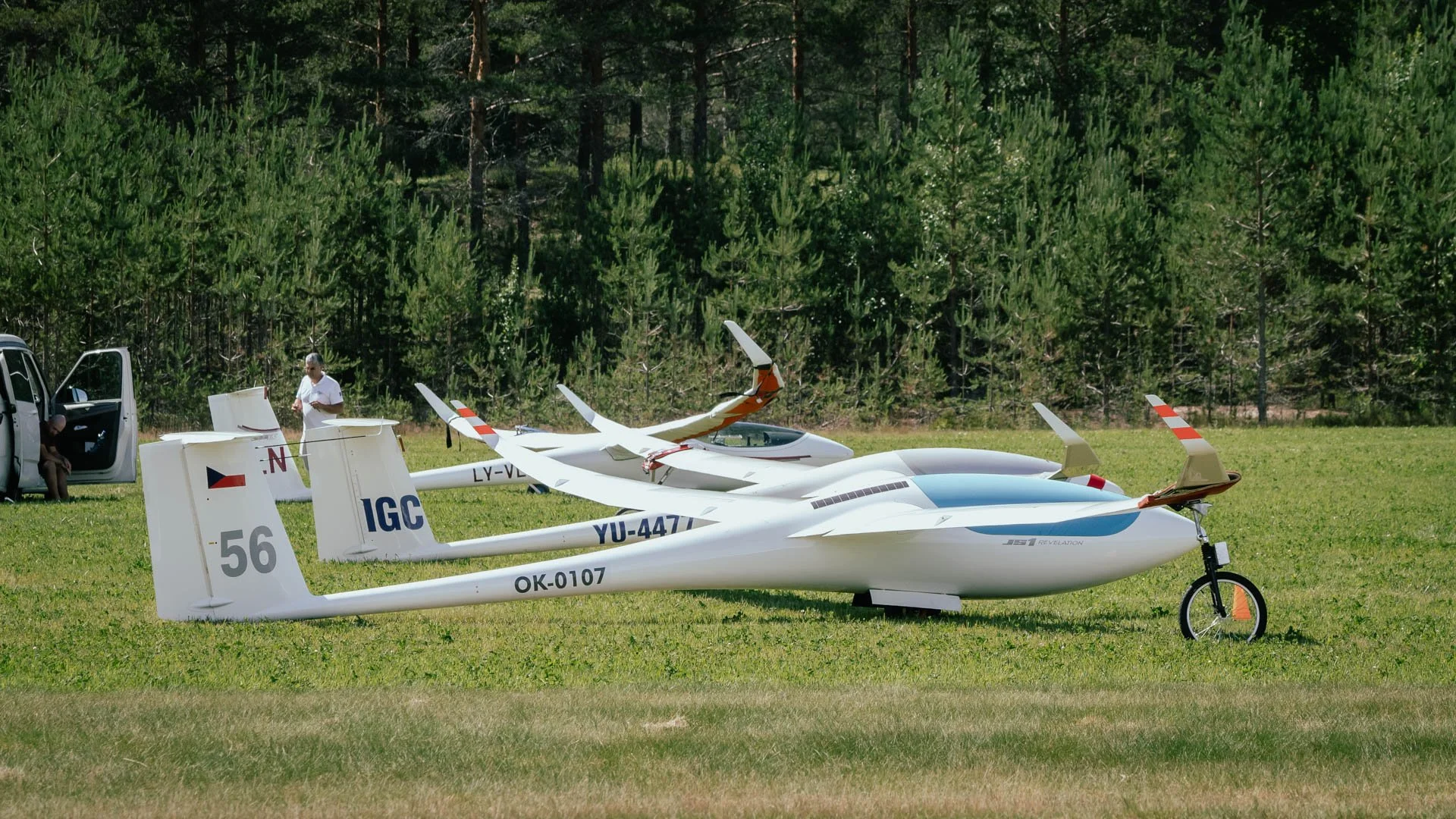
Estonia’s Teet Jagomägi (56) secured 4th place. He showed incredible tactical awareness on the tricky fourth leg, posting a segment-best 176.9 km/h among the chasers. Unfortunately, earlier losses on Legs 2 and 3 kept him 2 minutes and 15 seconds off the winner's pace. Close behind was Rune Hovda (RH) in 5th, who navigated Leg 4 at an impressive 188.4 km/h, indicating he found an optimal energy line that eluded the podium finishers.
Further down the order, workload and altitude limits defined the day. Klaus Kalmbach in 6th had to work significantly harder than his peers, needing 17 separate climbs to stay in touch with the pack. Conversely, Michael Pfennig (S) in 7th wrestled with the weakest average thermal performance in the field at 1.5 m/s, though he compensated beautifully on the glides, clocking the fastest Leg 5 speed at 195.0 km/h. Tilo Holighaus (3V) finished 8th after hitting an altitude ceiling of just 1,951 meters: the lowest maximum altitude of any finisher. This restriction forced a conservative 146.4 km/h on Leg 5 when the sky finally began to cycle efficiently.
Luka Žnidaršič (LN) and Mikael Widen (2Y) pilot occupied 9th and 10th. The Mikael deserves special mention for an aggressive final leg, charging home at 221.3 km/h: the second-fastest finish line crossing of the afternoon. Maciej Walasek (M1) and Petr Panek (IGC) crossed in 11th and 12th, separated by just nine seconds after both dropped off the pace during the middle of the task.
Bringing home the field in 13th was Steinar Oksenholt (JA) in his ASH 26E. Giving away a significant performance index to the modern 18-meter racing fleet, Oksenholt battled a slow Leg 3 speed of 64.6 km/h in an aircraft ill-suited to the day's weak 1.5 m/s average thermals. His determination to fly the distance and complete the clean sheet for the day embodies the true spirit of Grand Prix racing.
Official Race 2 Results

The championship margins remain razor-thin, proving that every tactical decision in the skies over Elverum can completely reset the leaderboard. Stay tuned as we head into Race Day 3! It’s going to be a FANTASTIC WEATHER tomorrow!