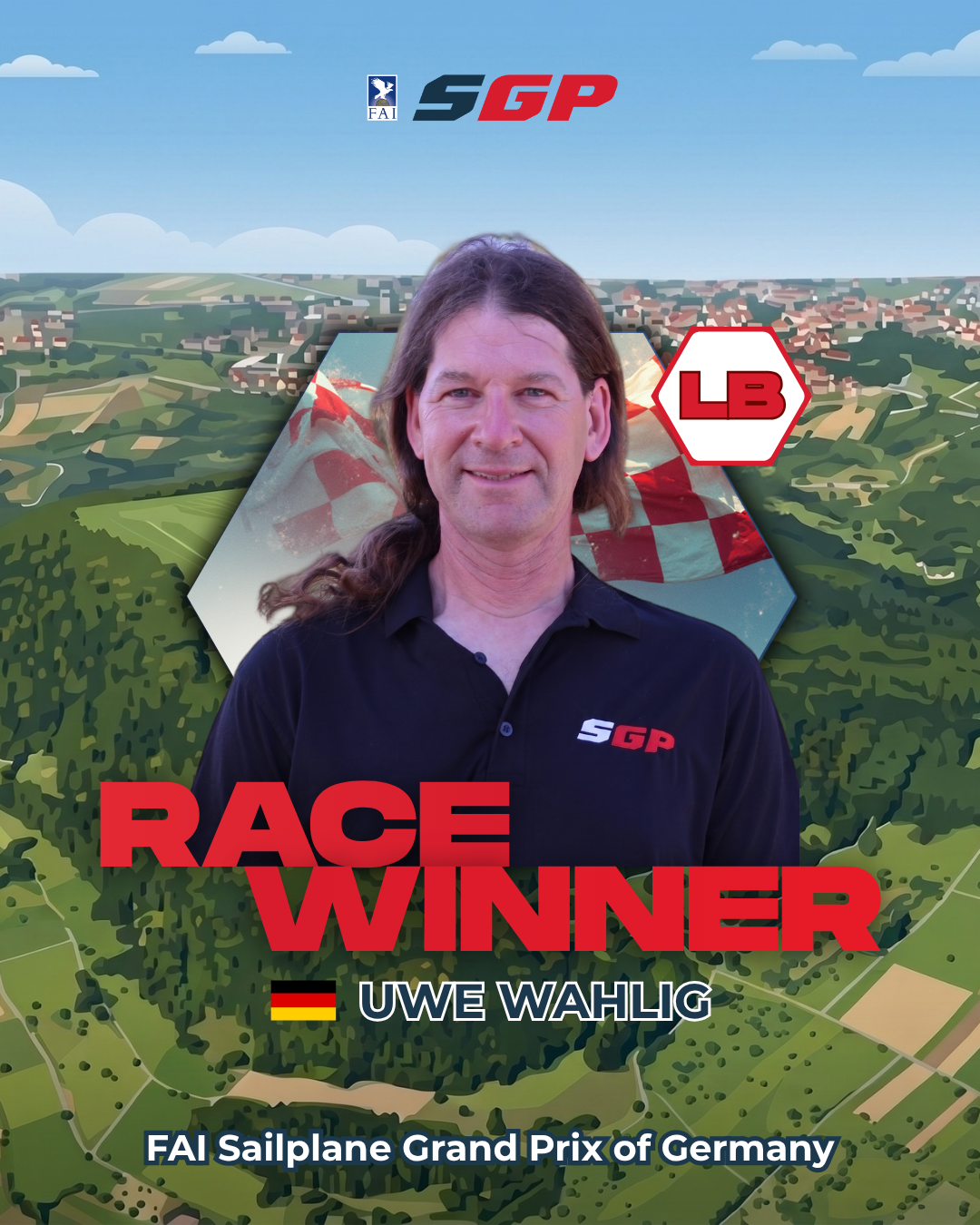
Uwe Wahlig Claims Thrilling Race 6 Victory at Farrenberg
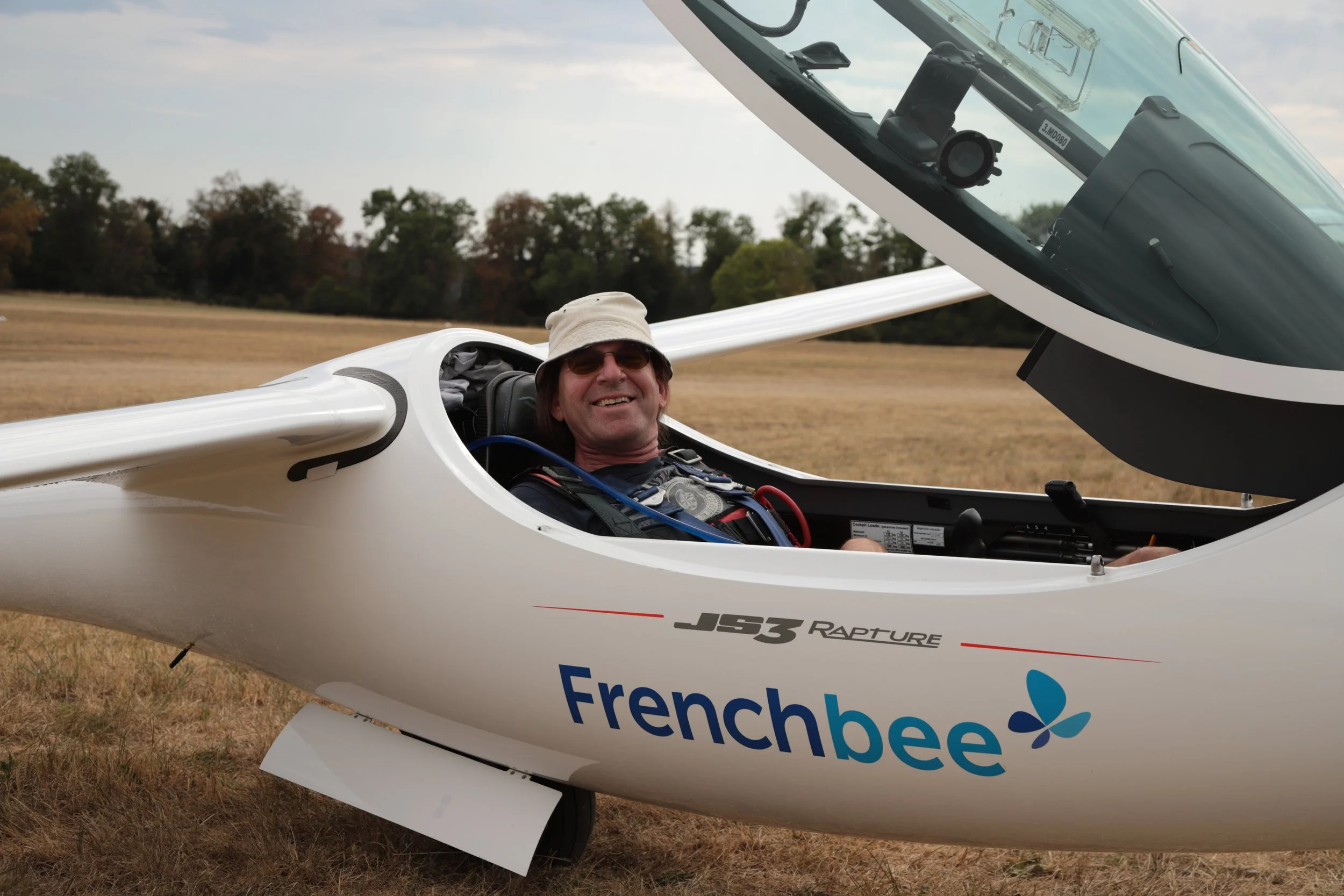
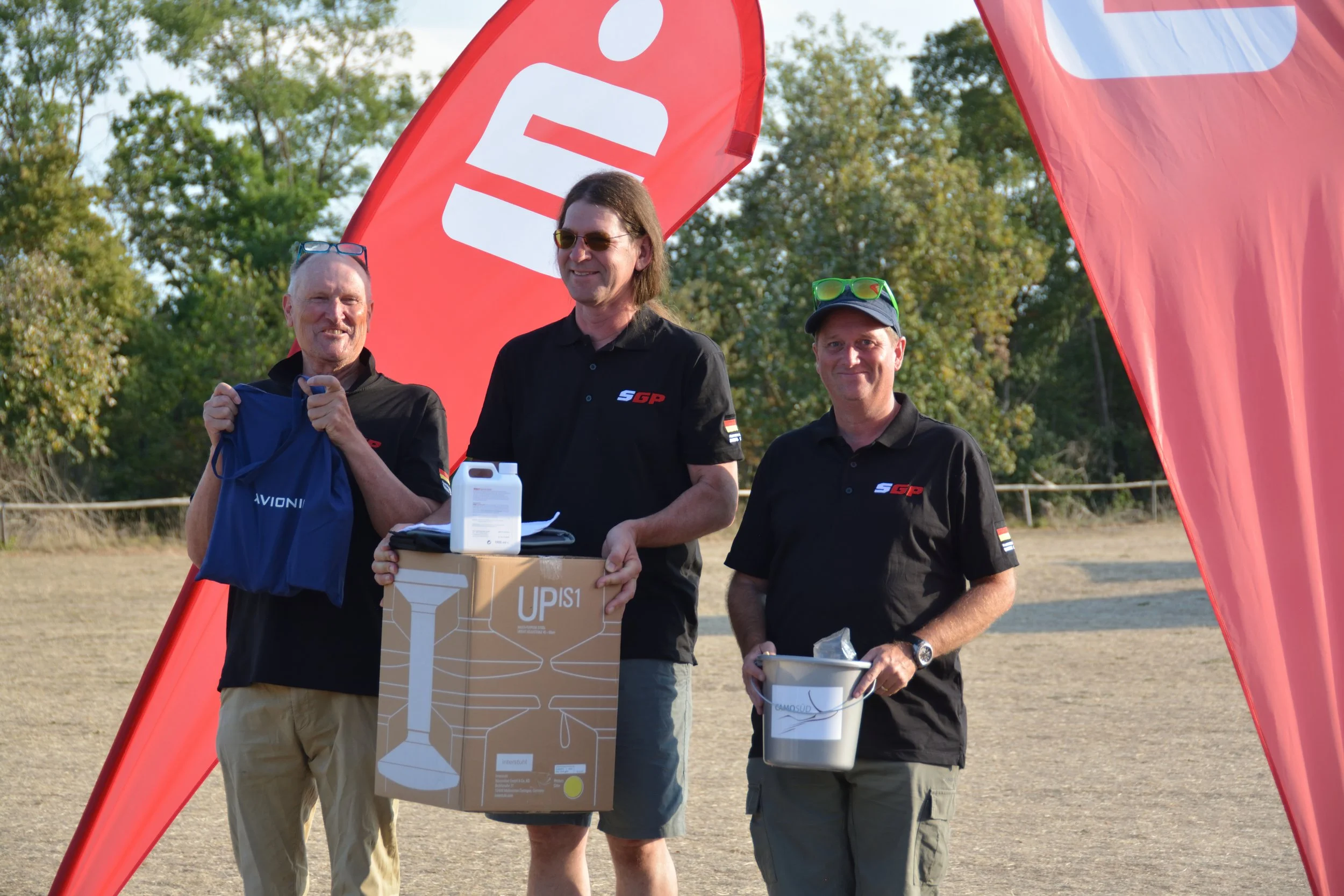
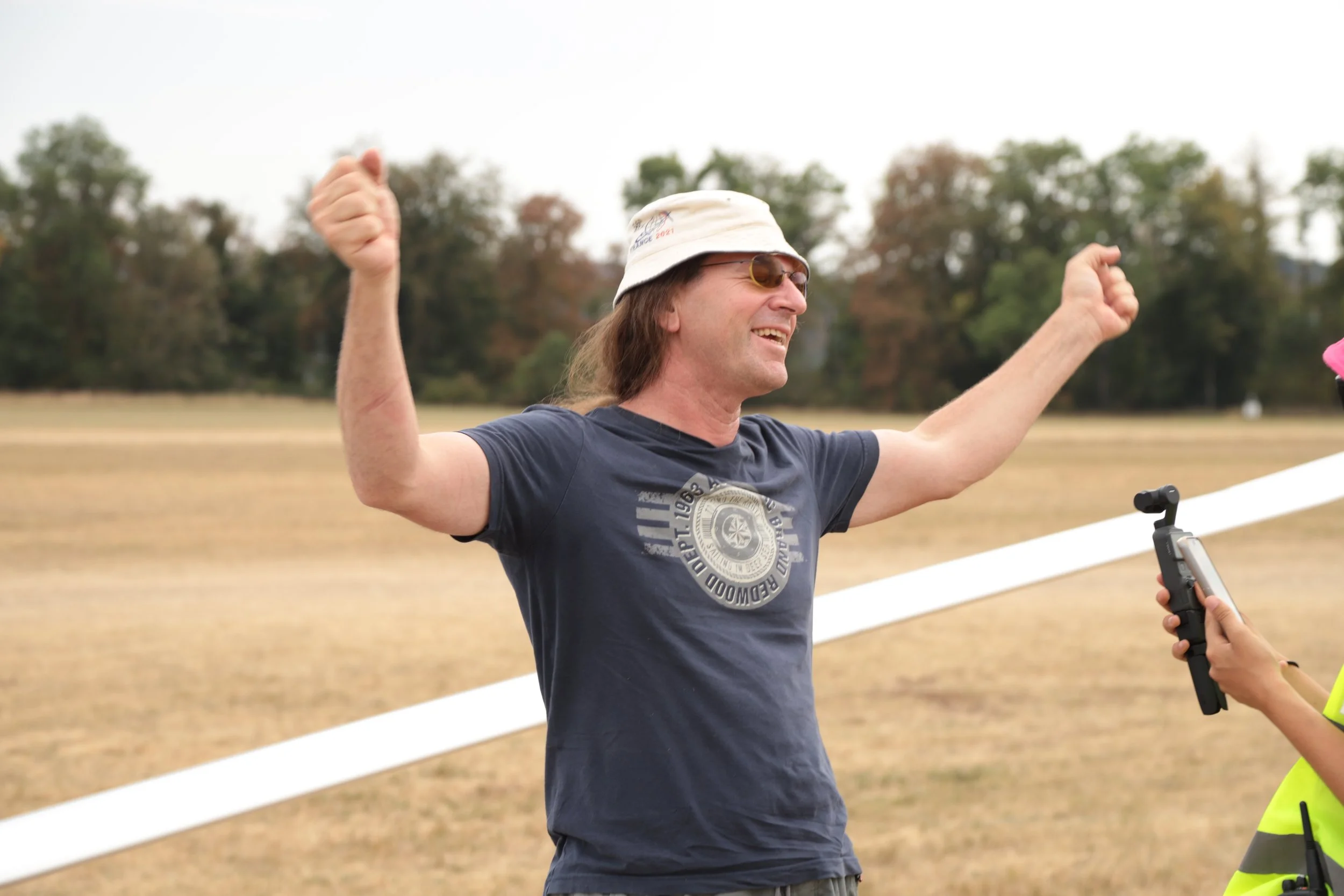
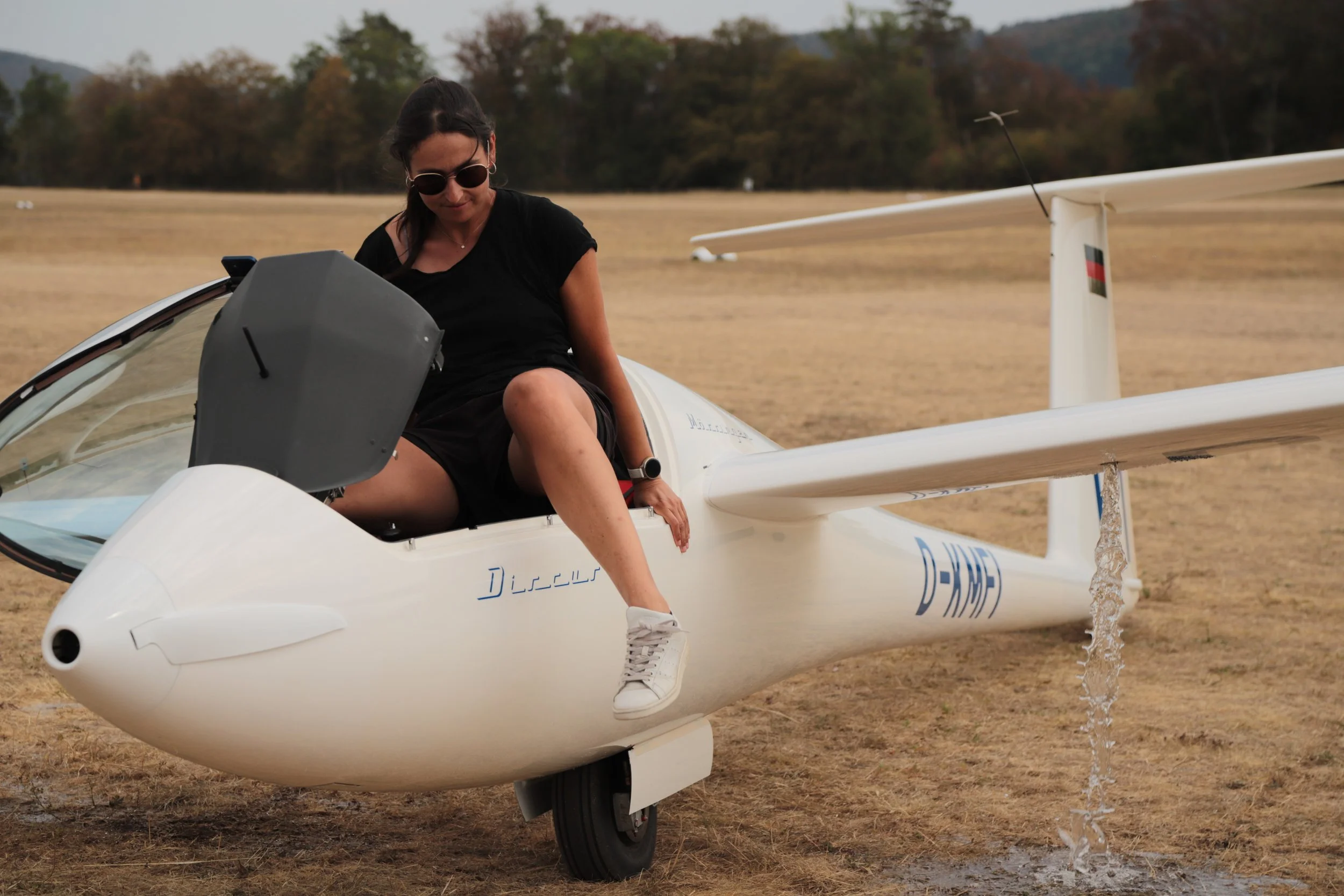
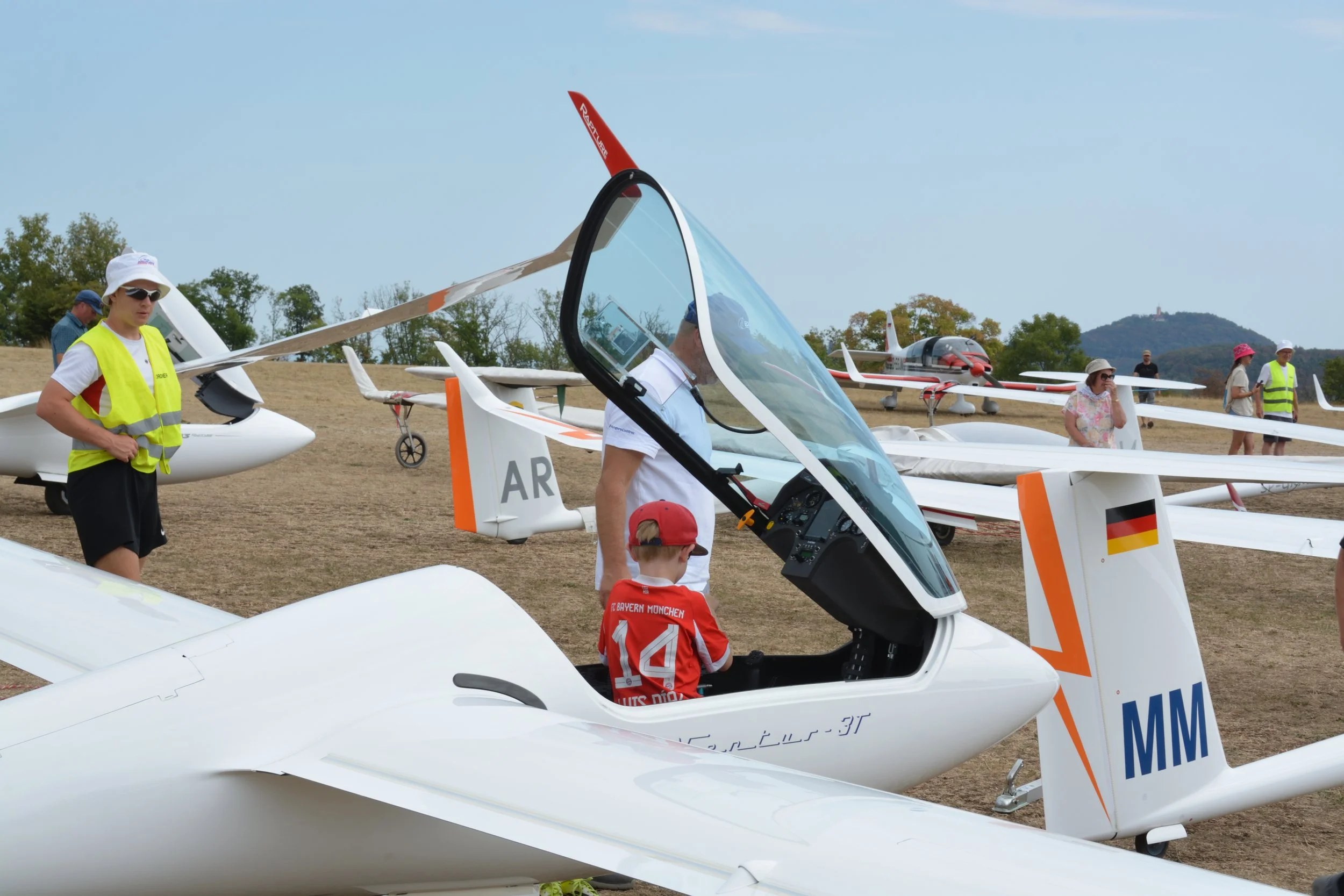
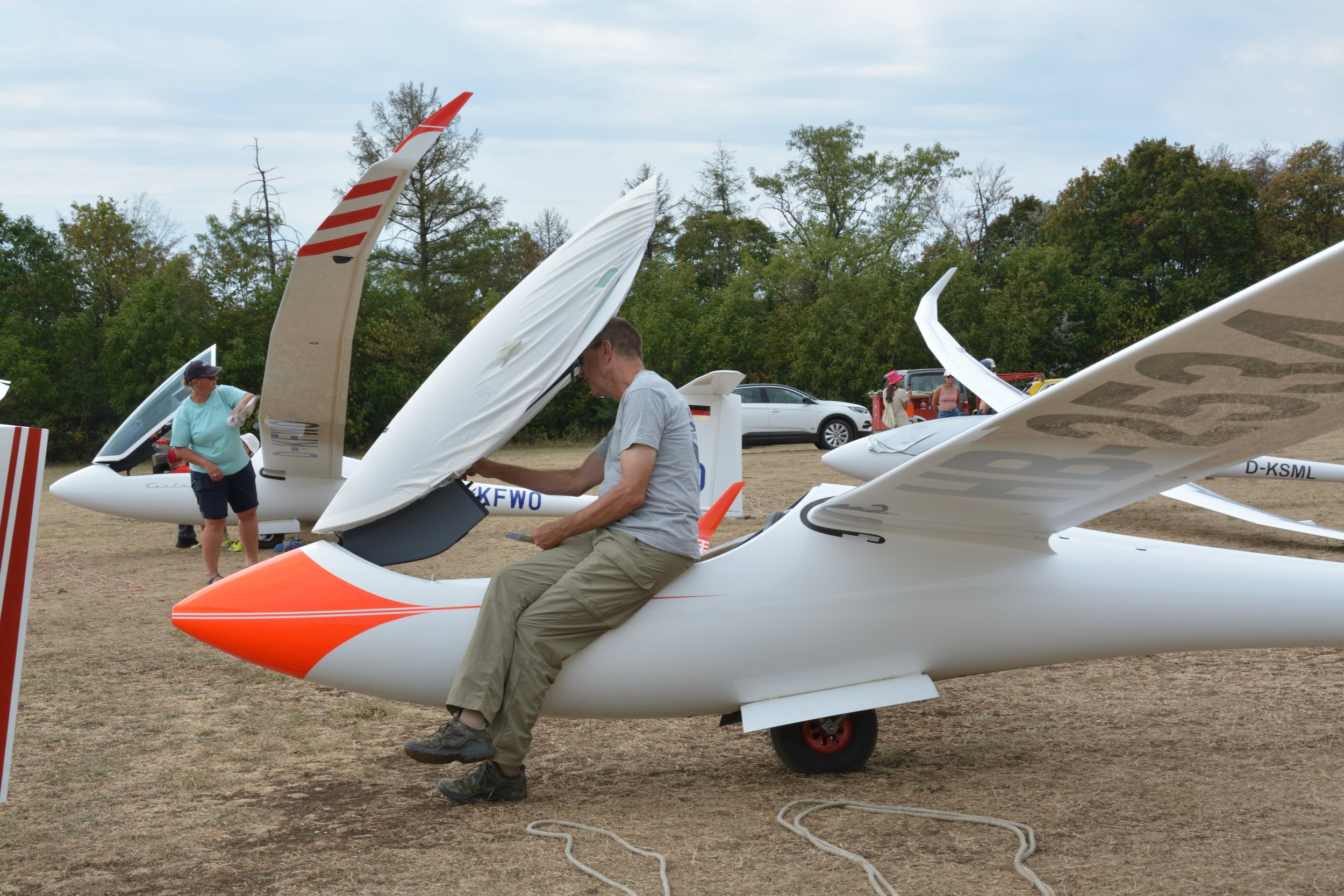
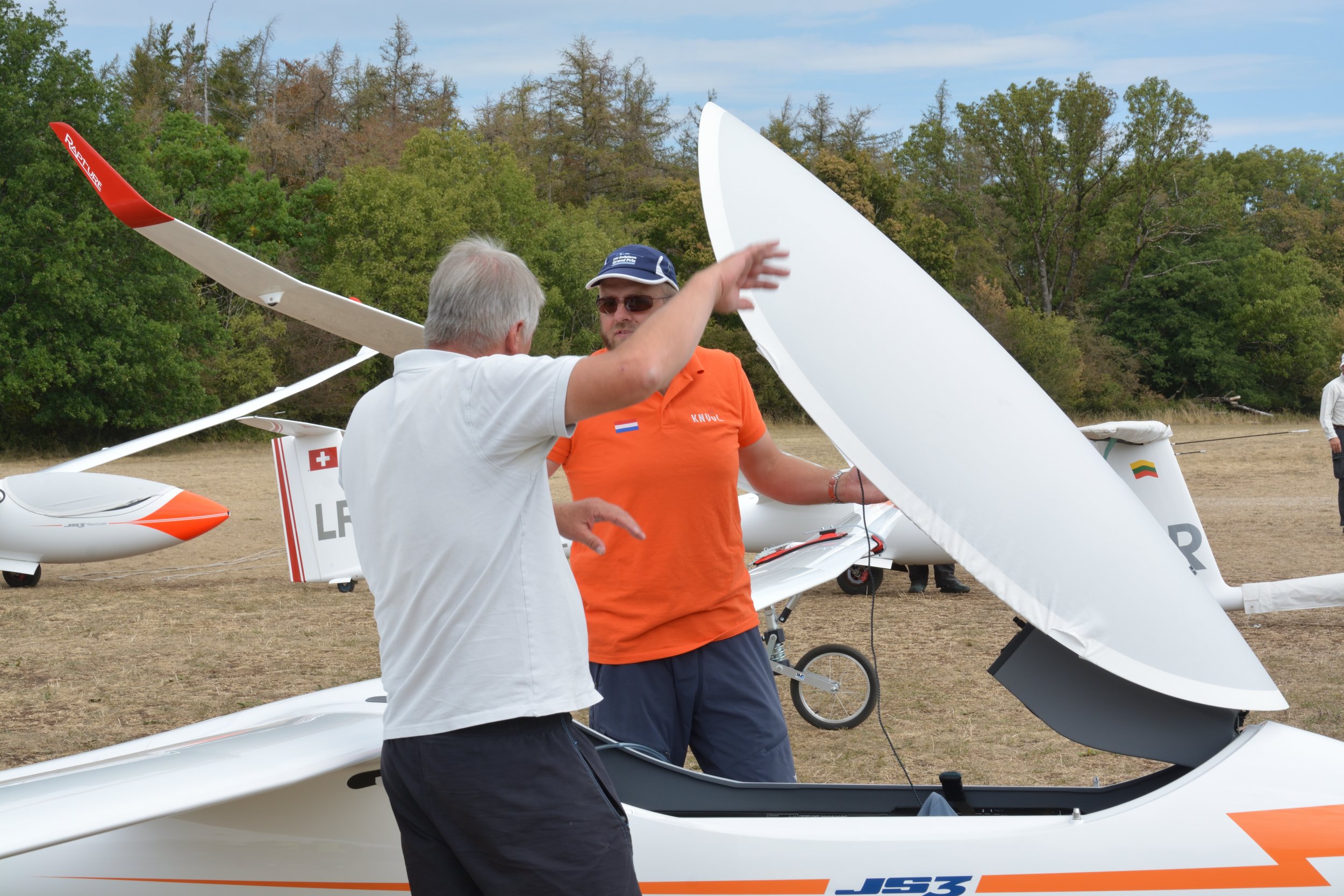
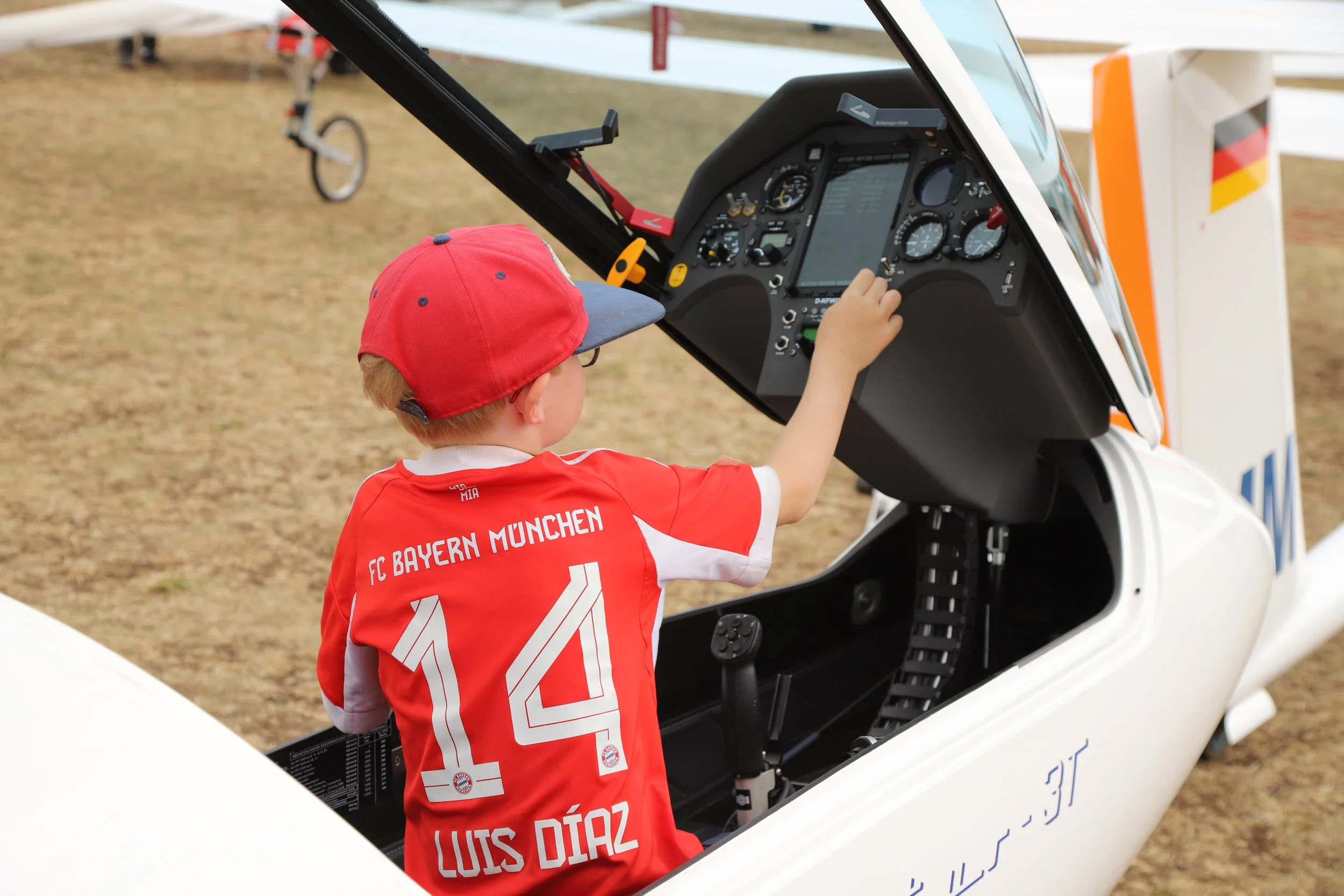
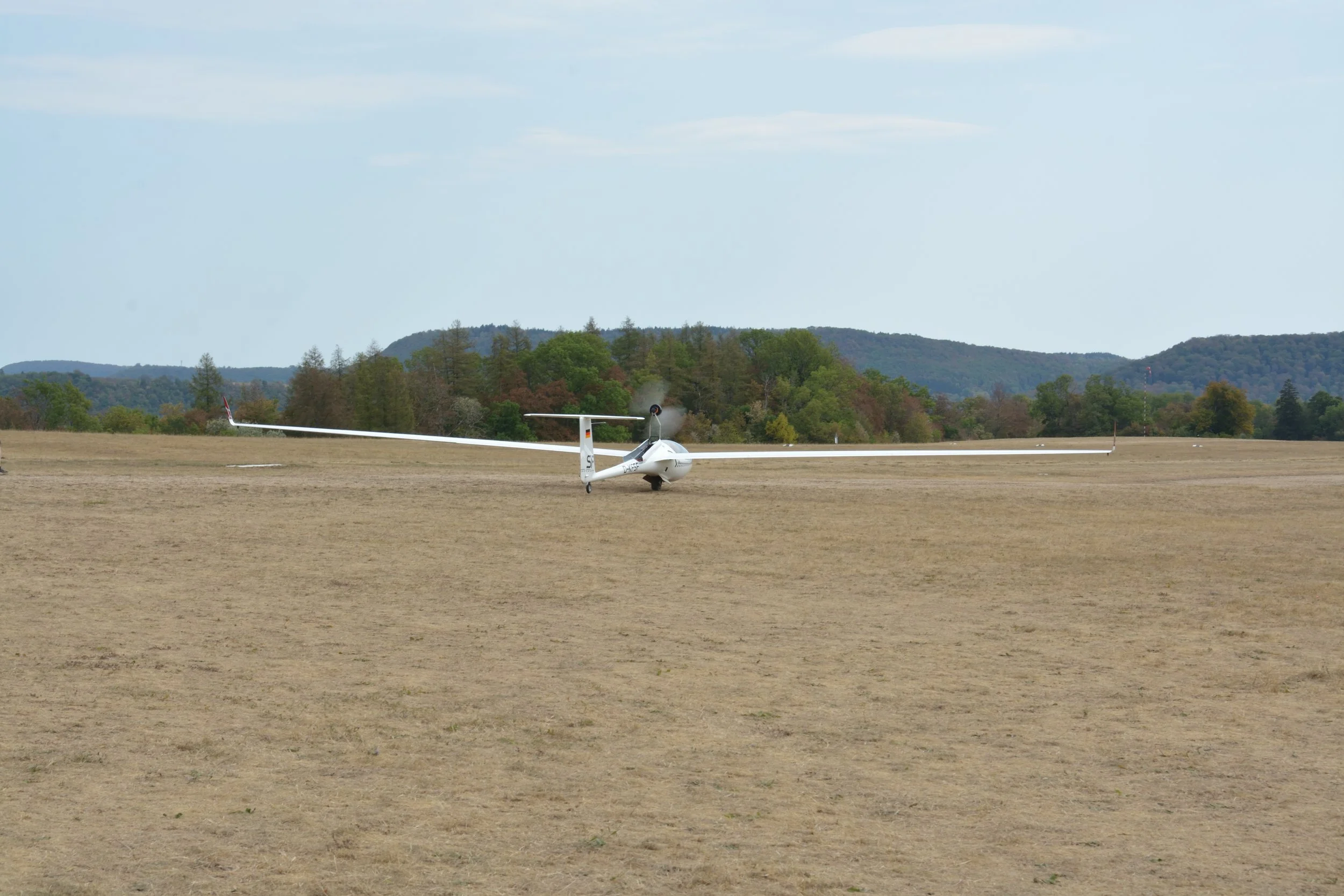
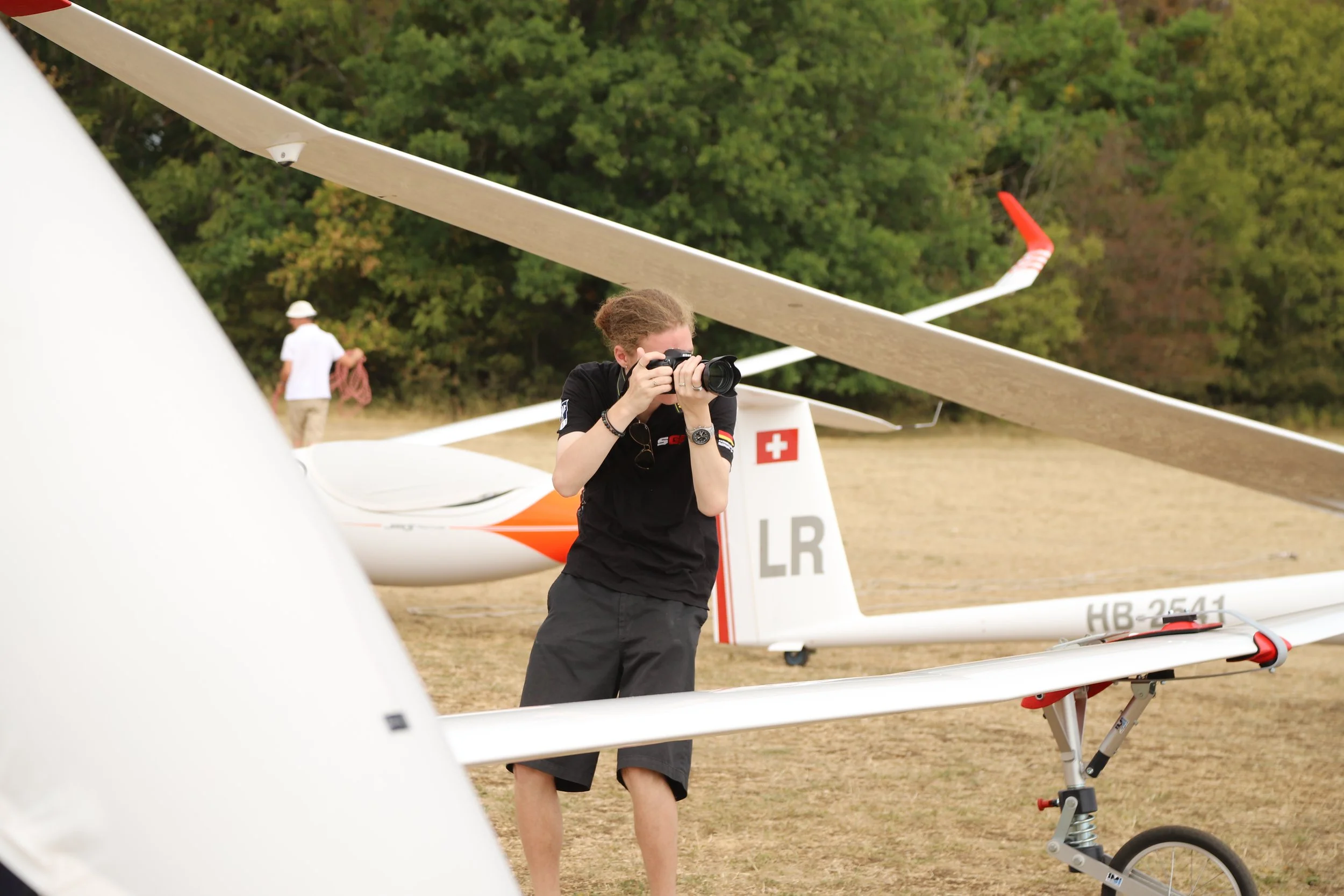
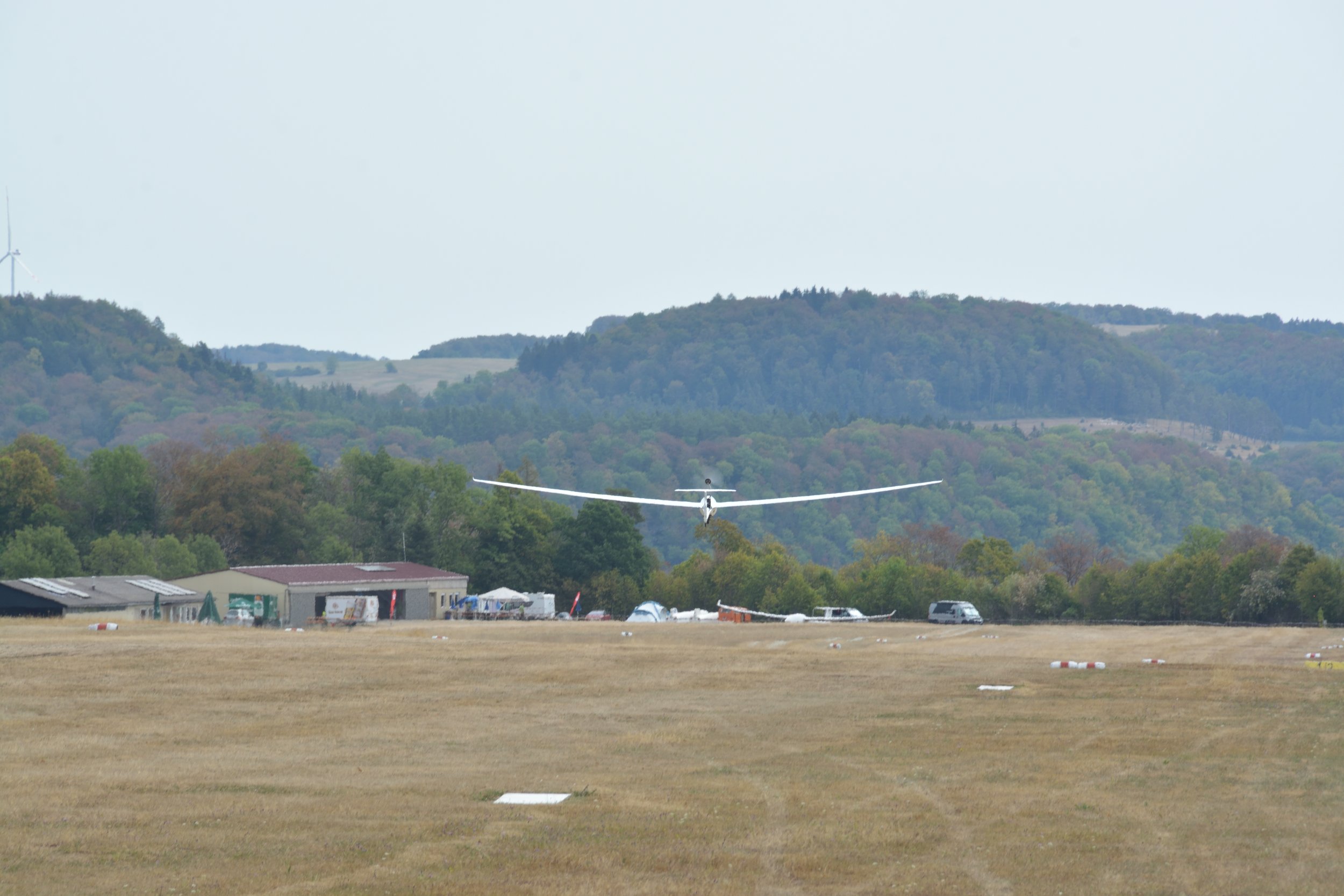
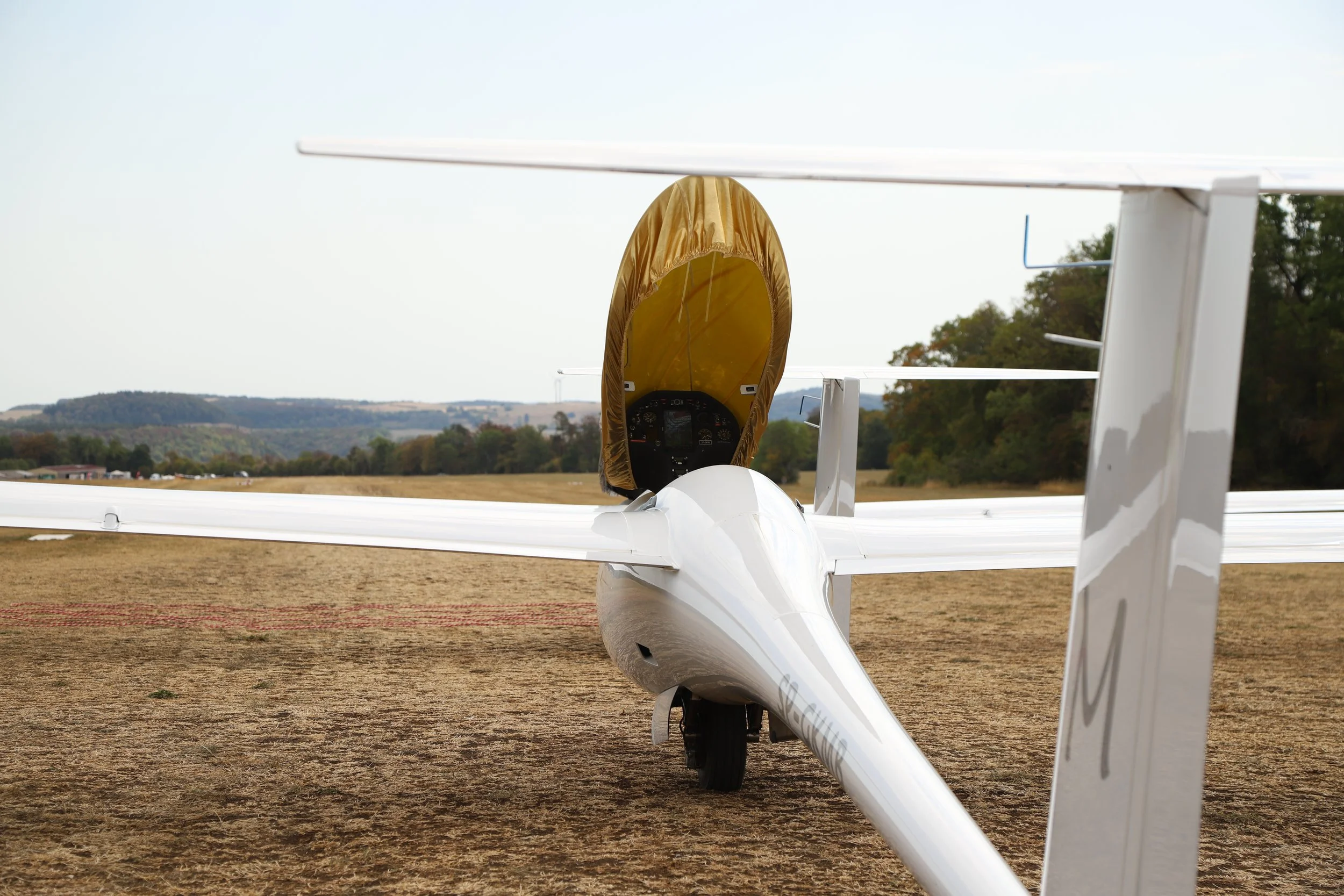
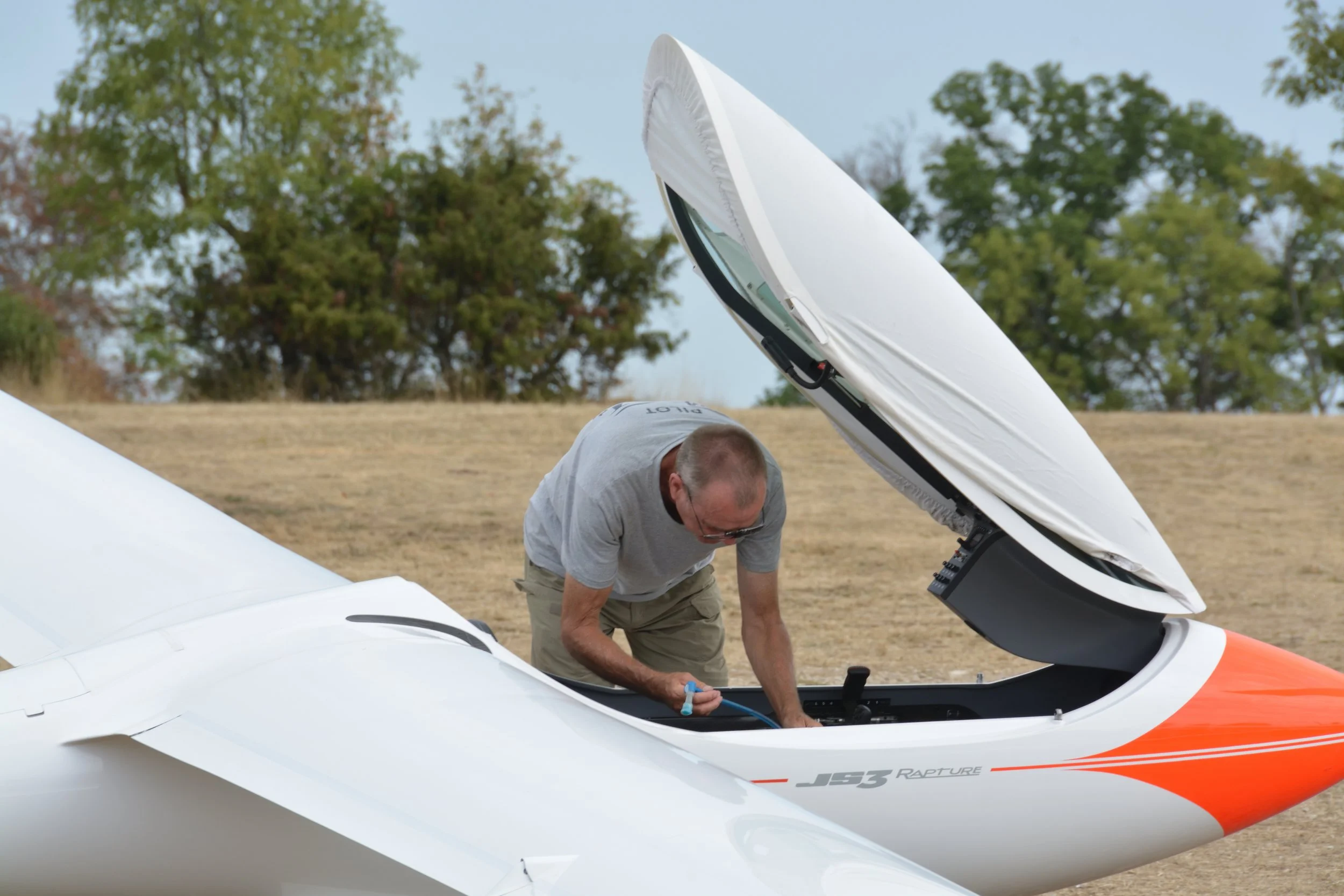
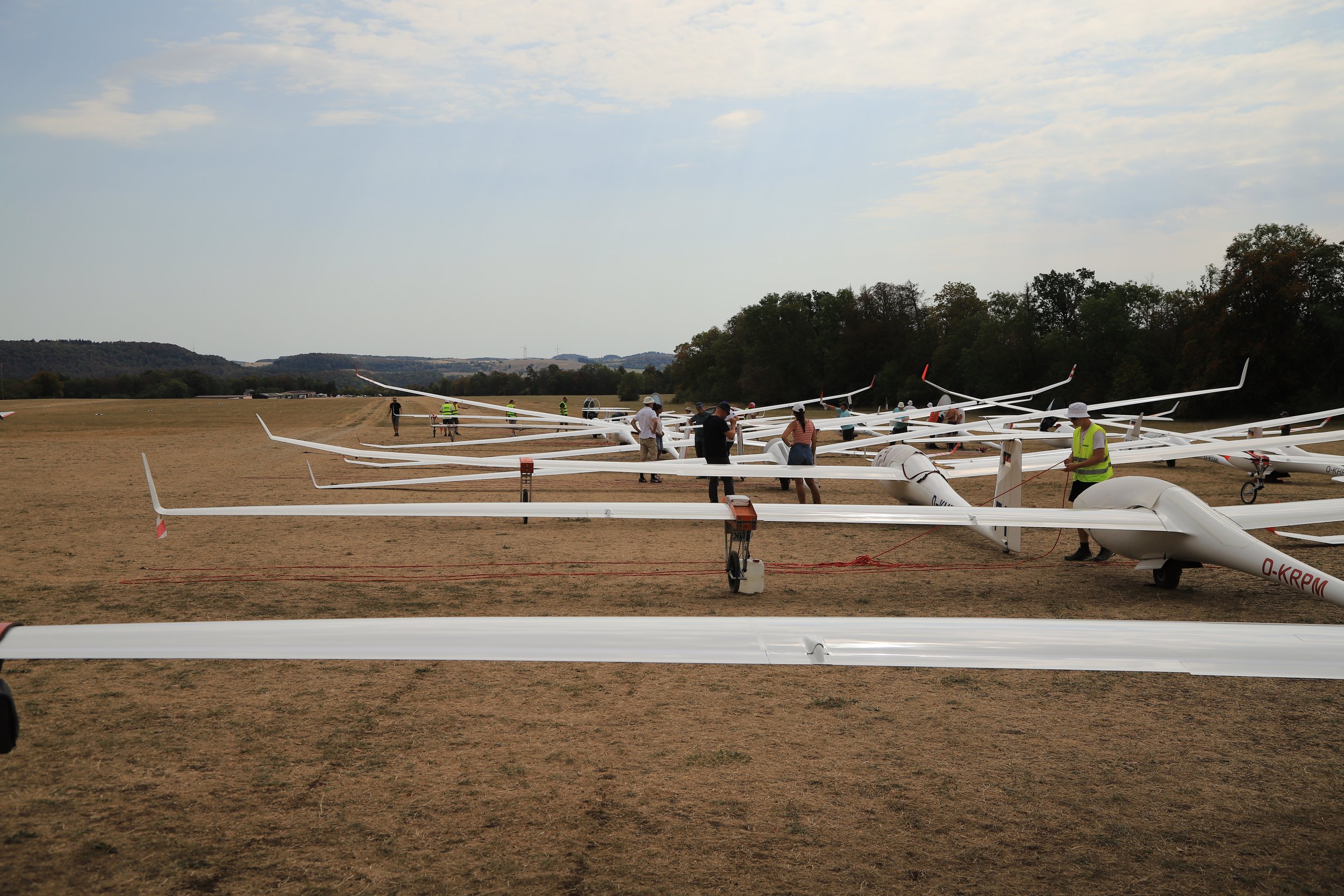
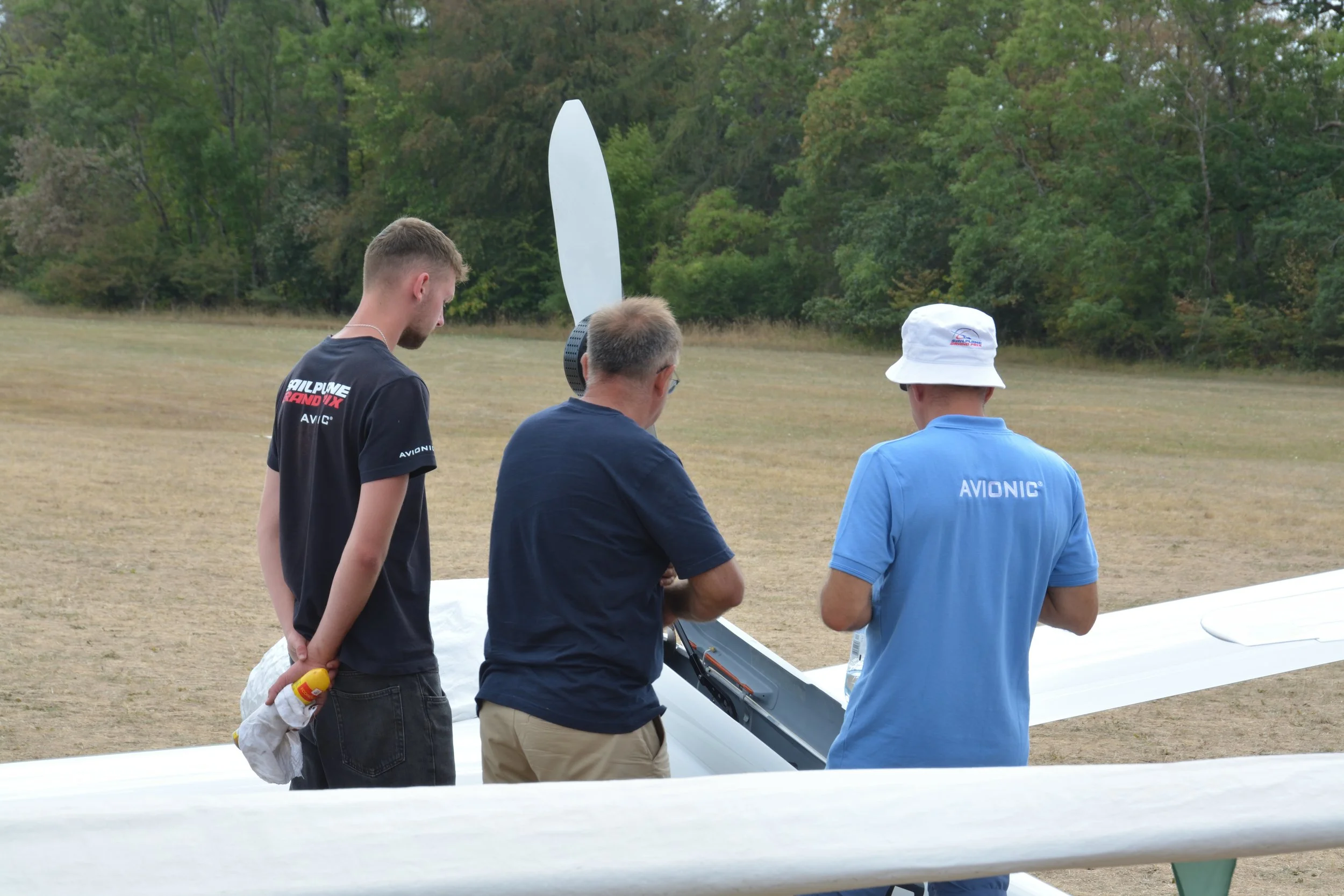
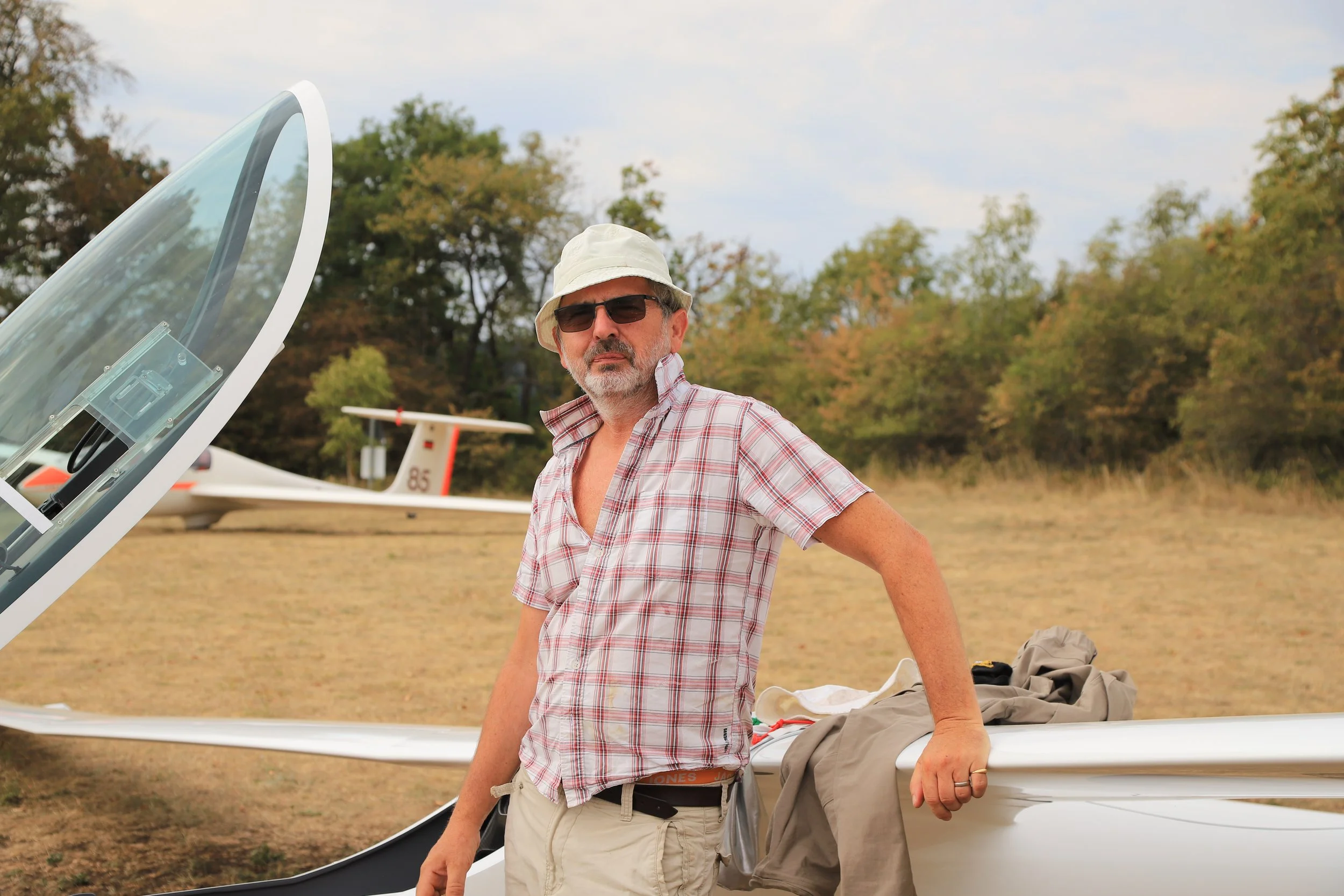
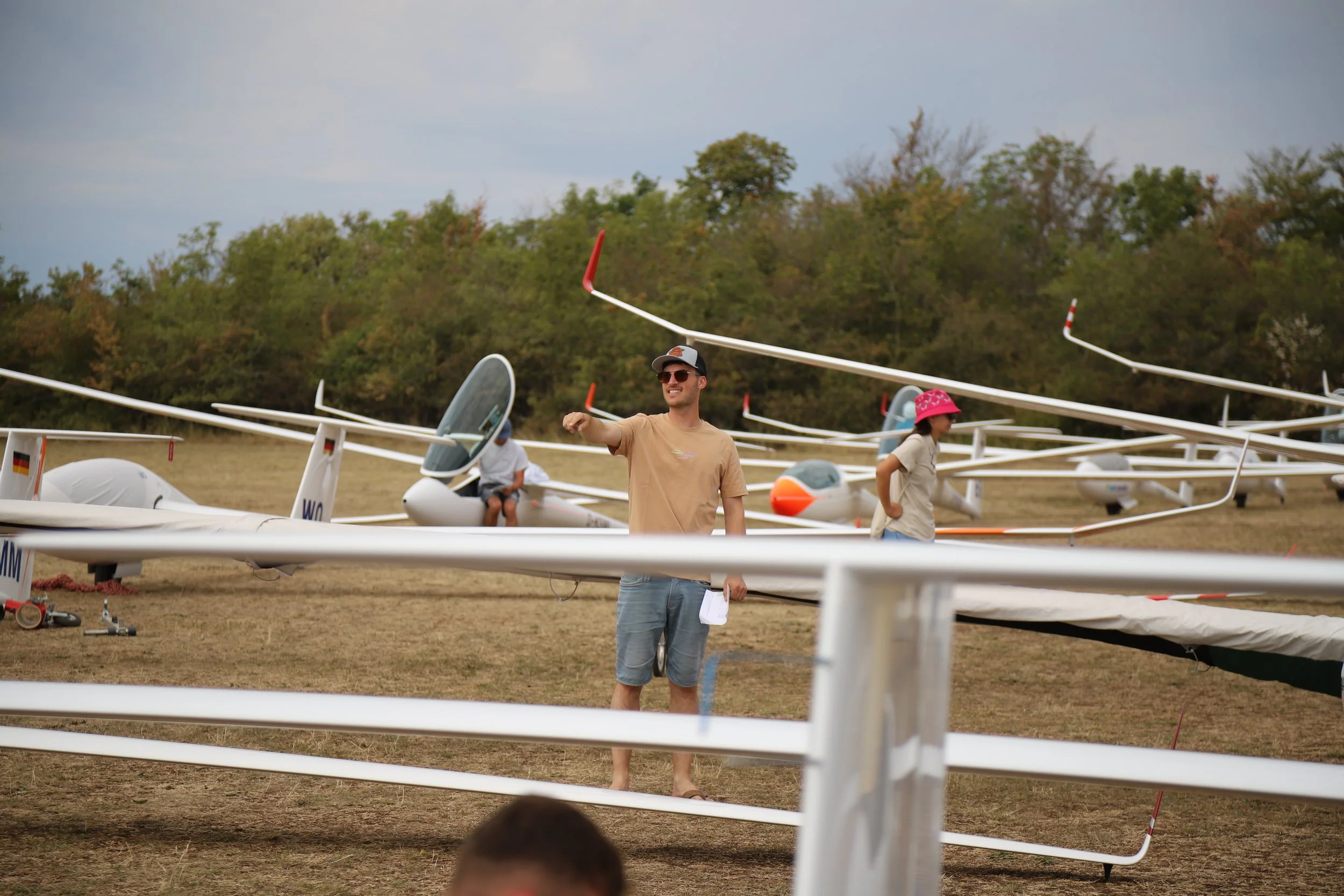
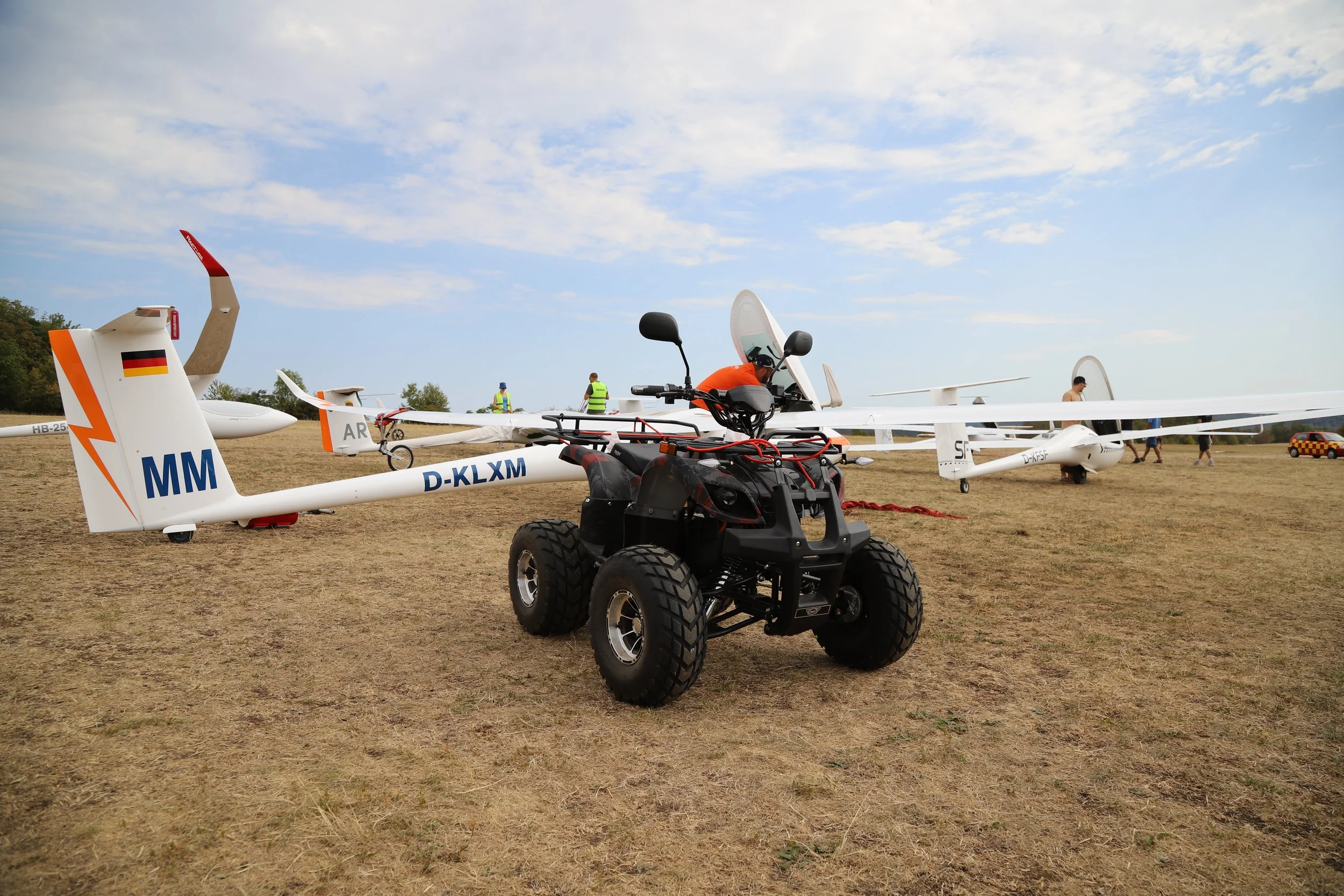
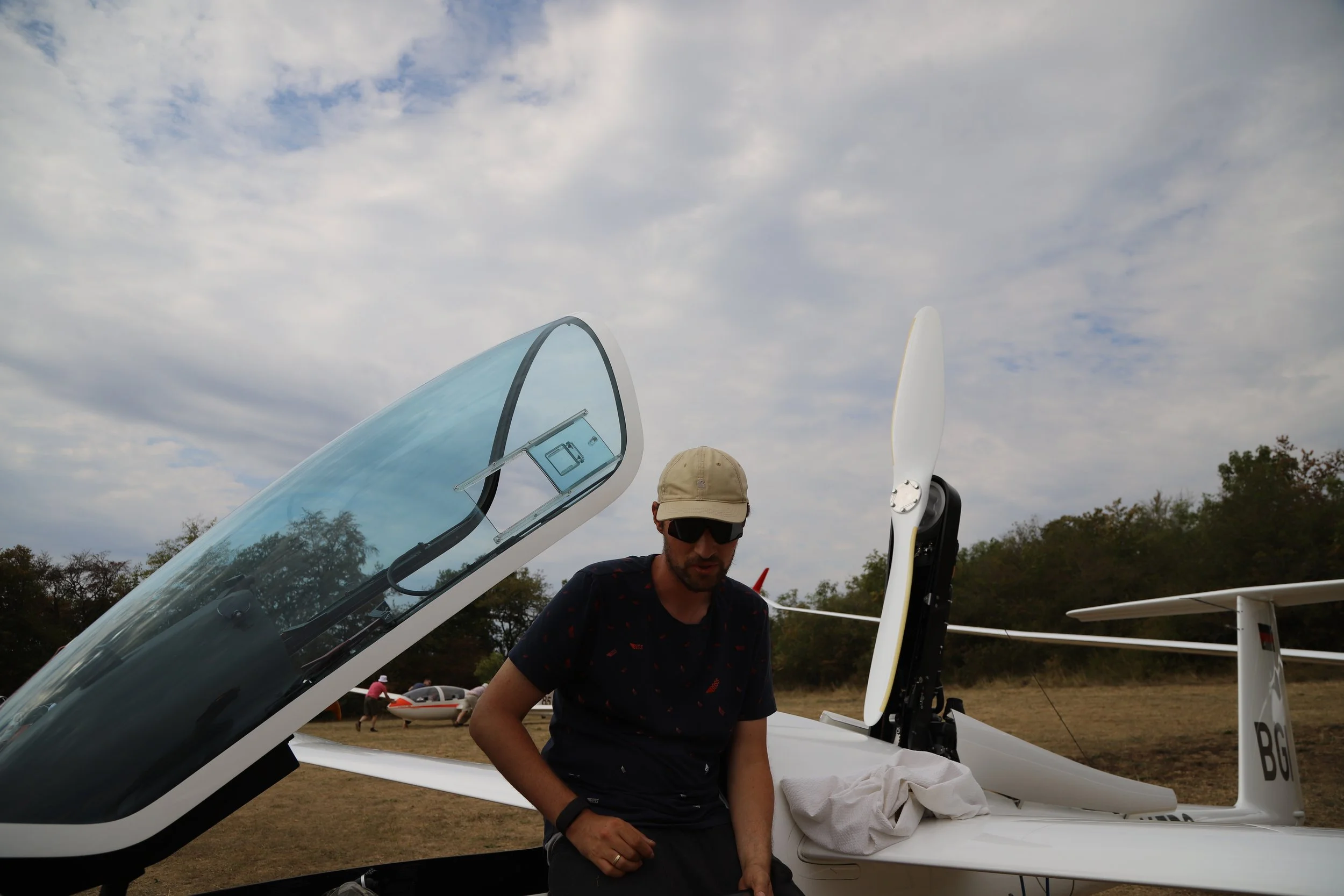
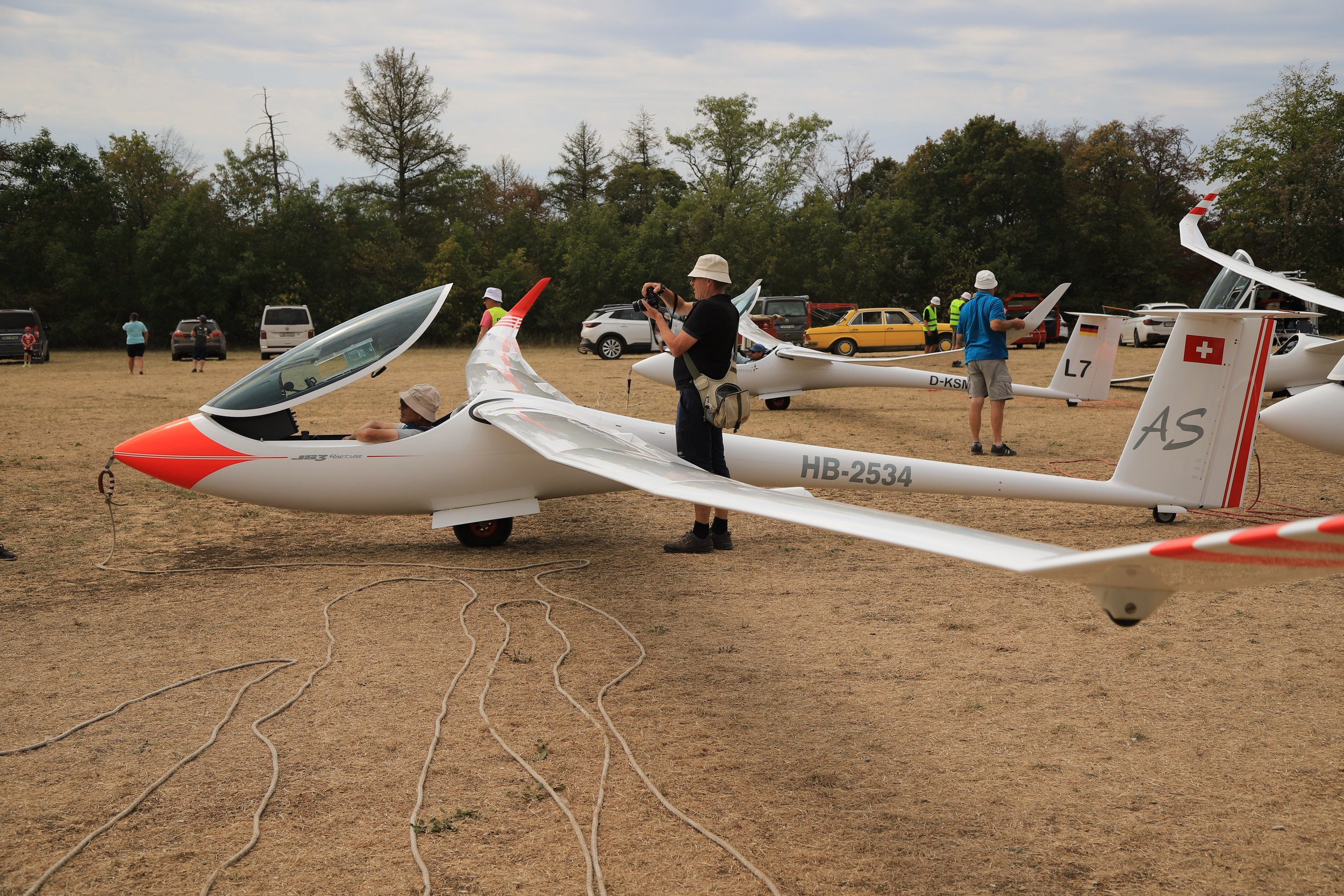
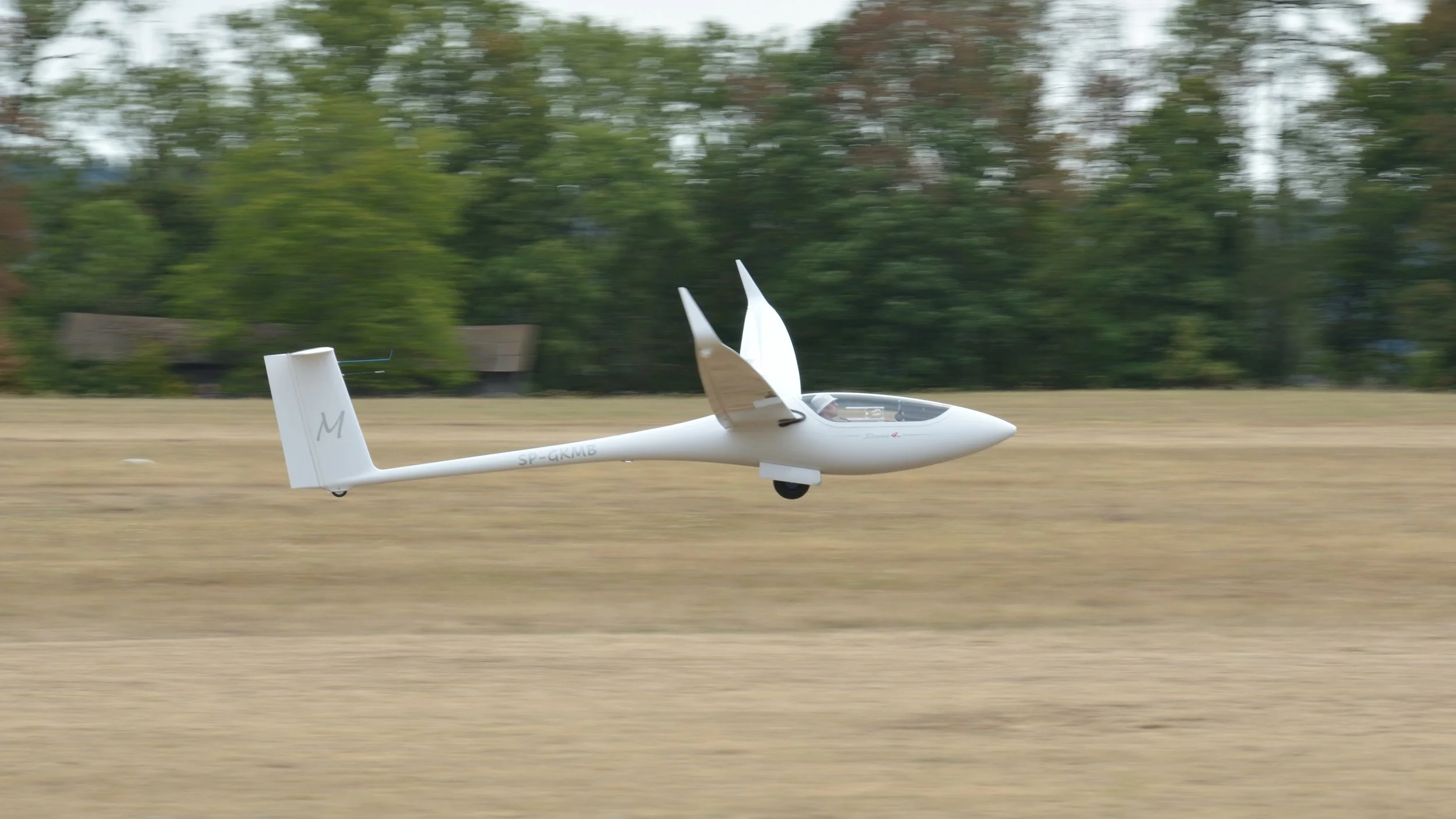
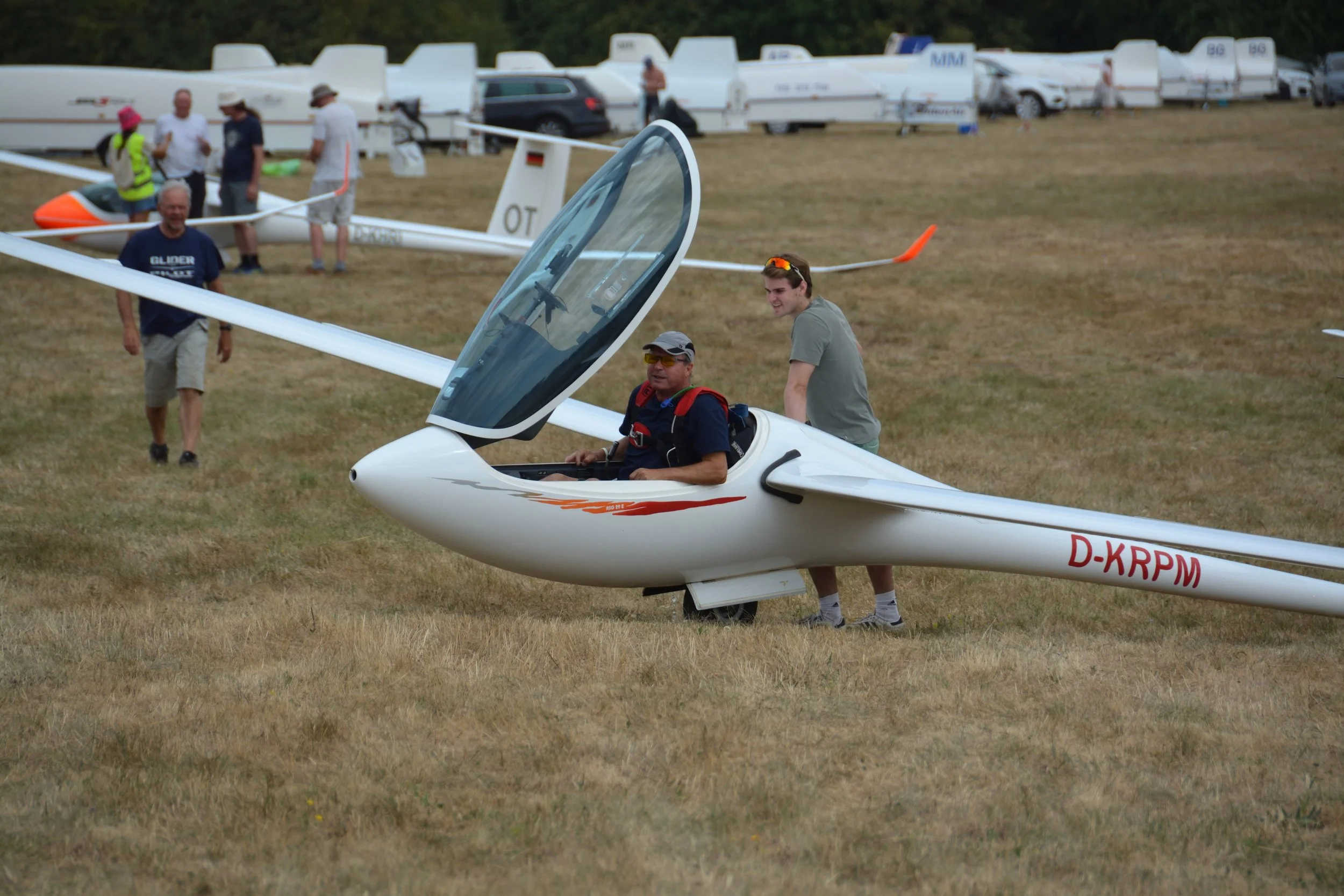
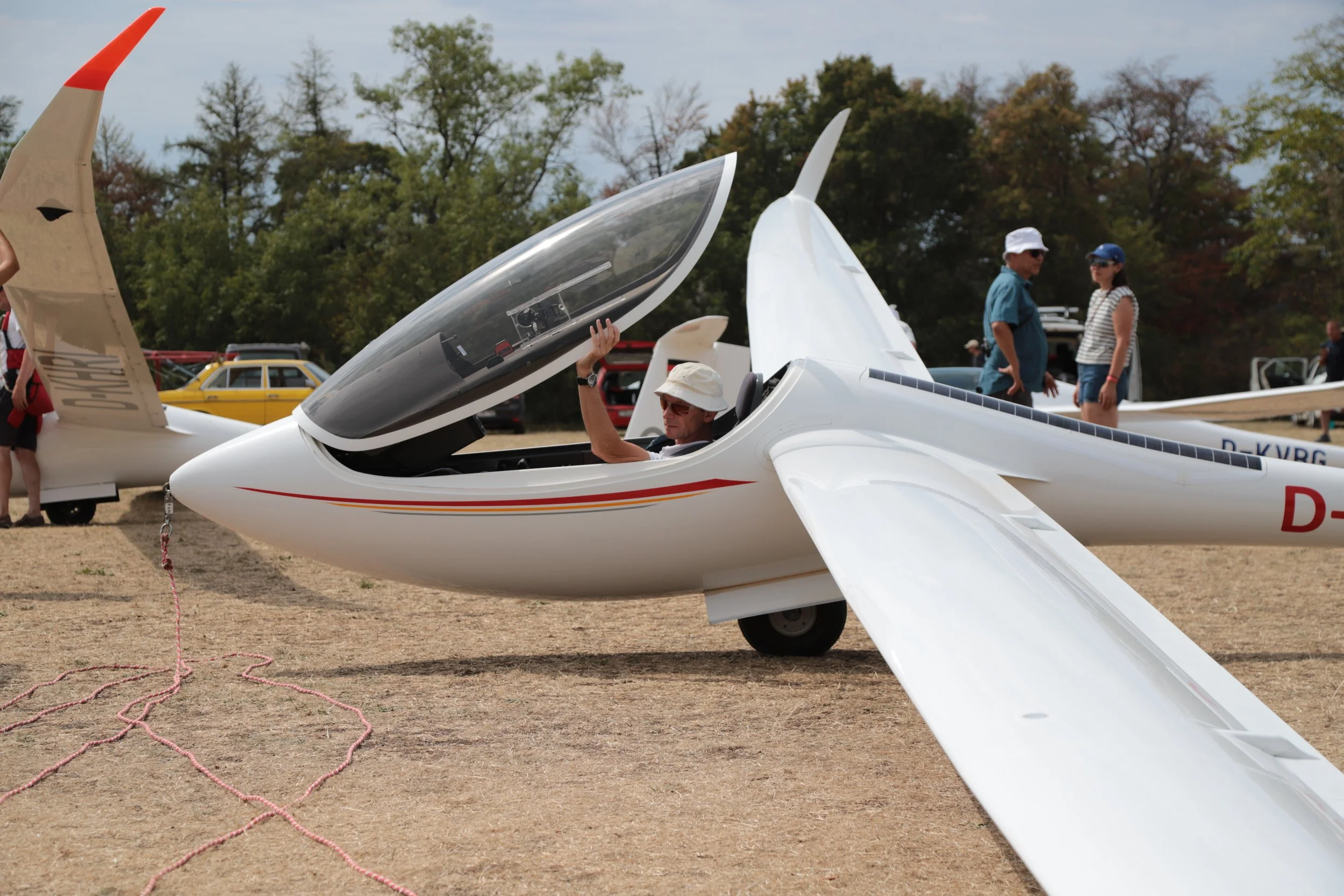
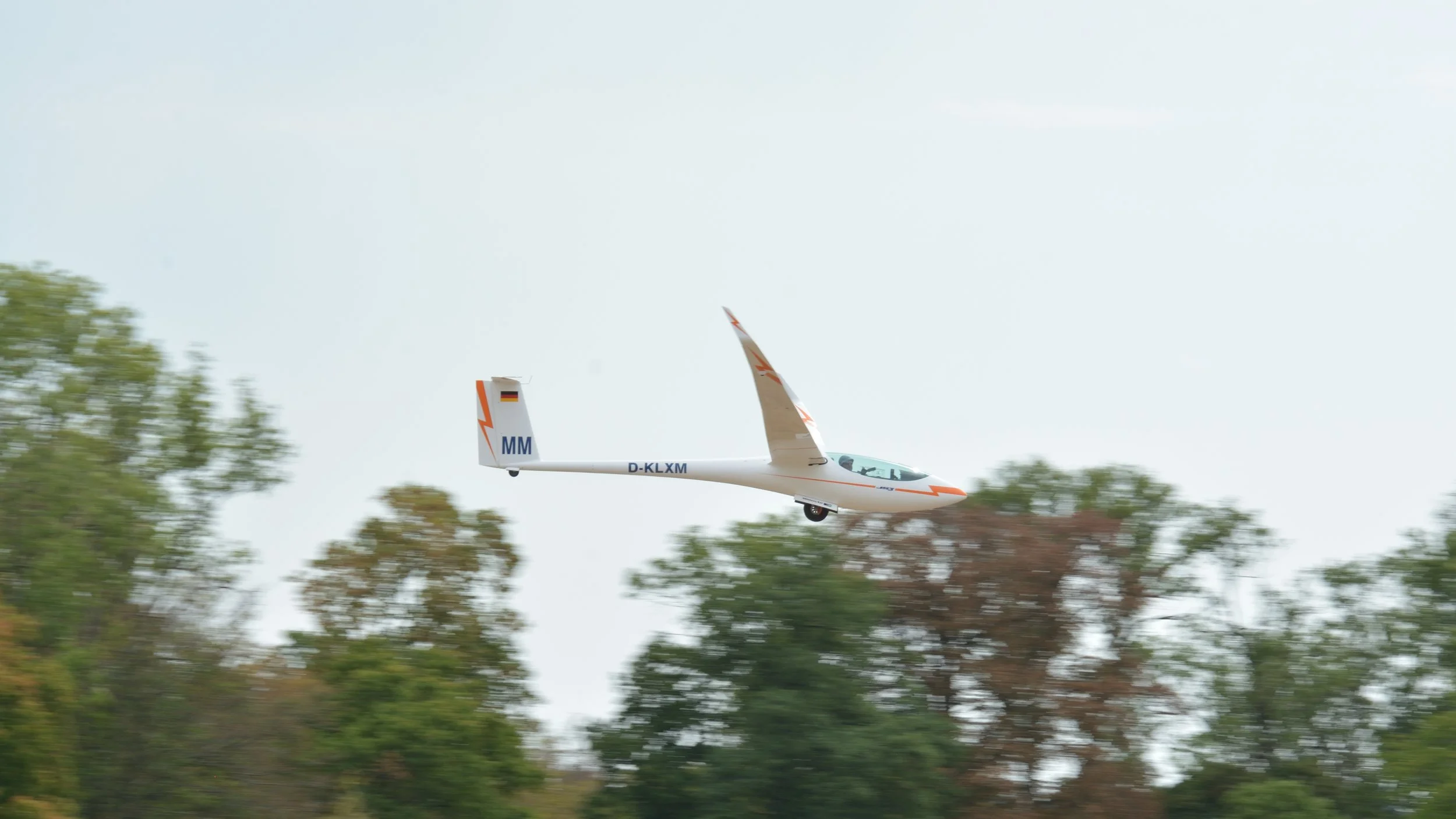
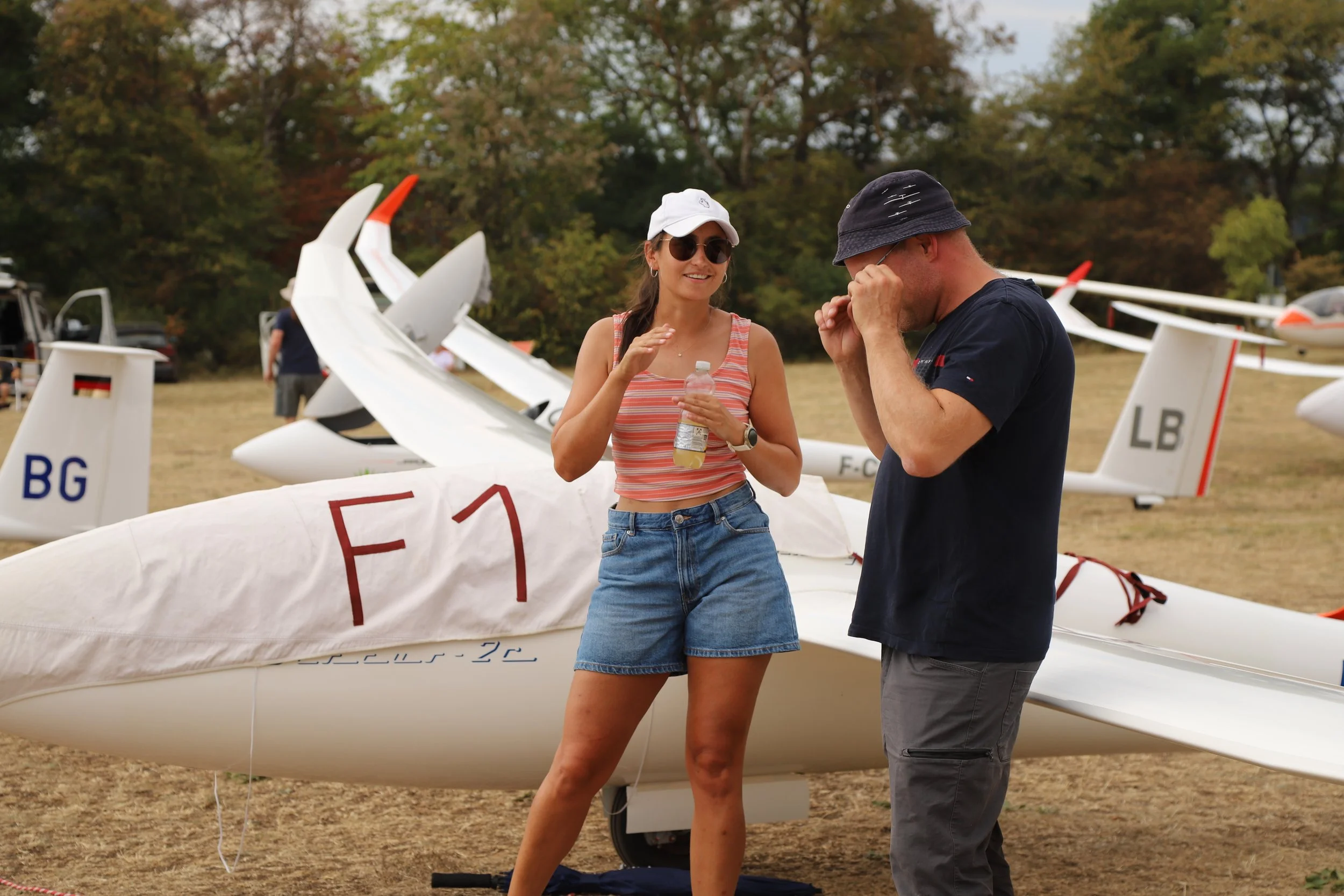
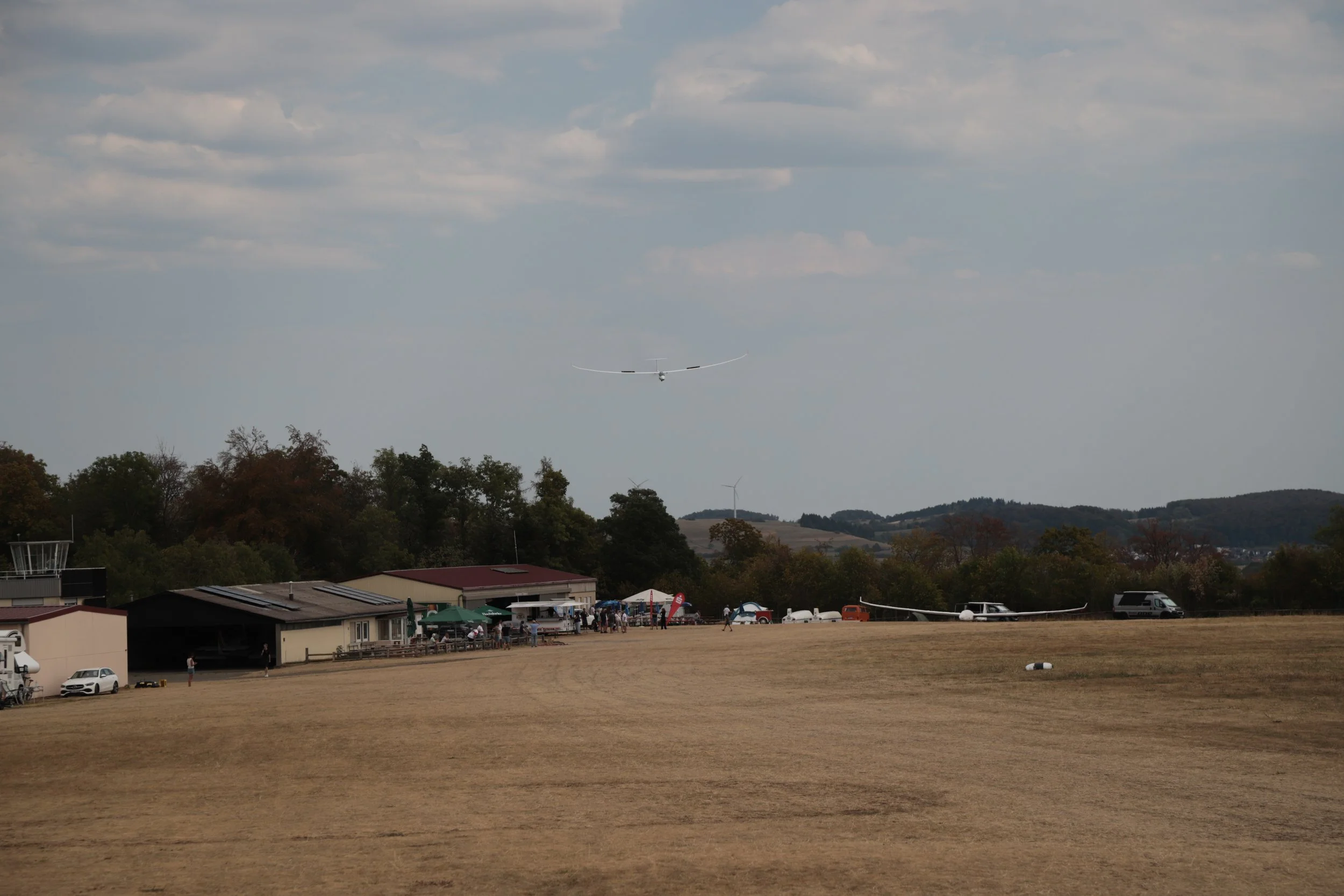
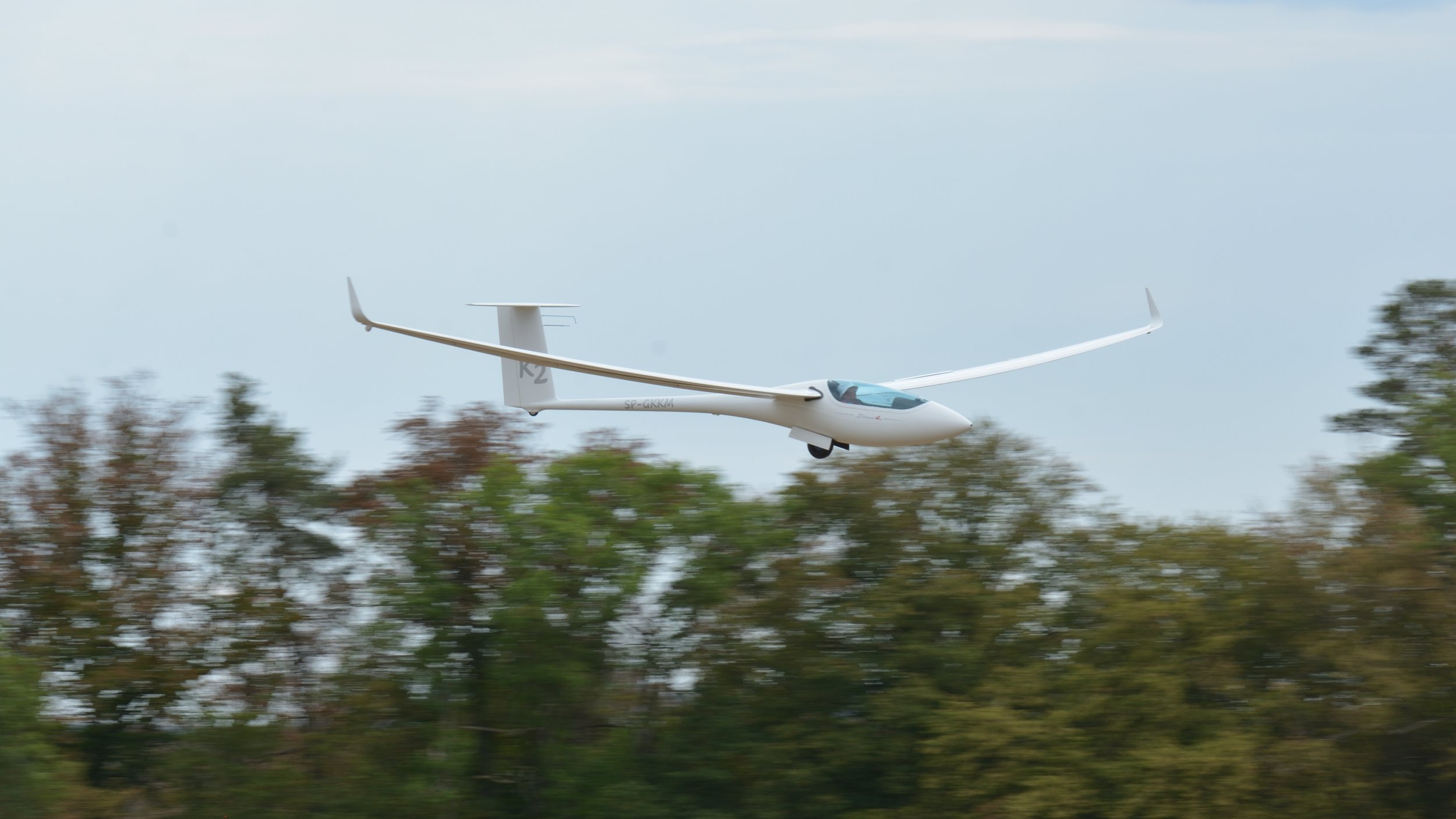
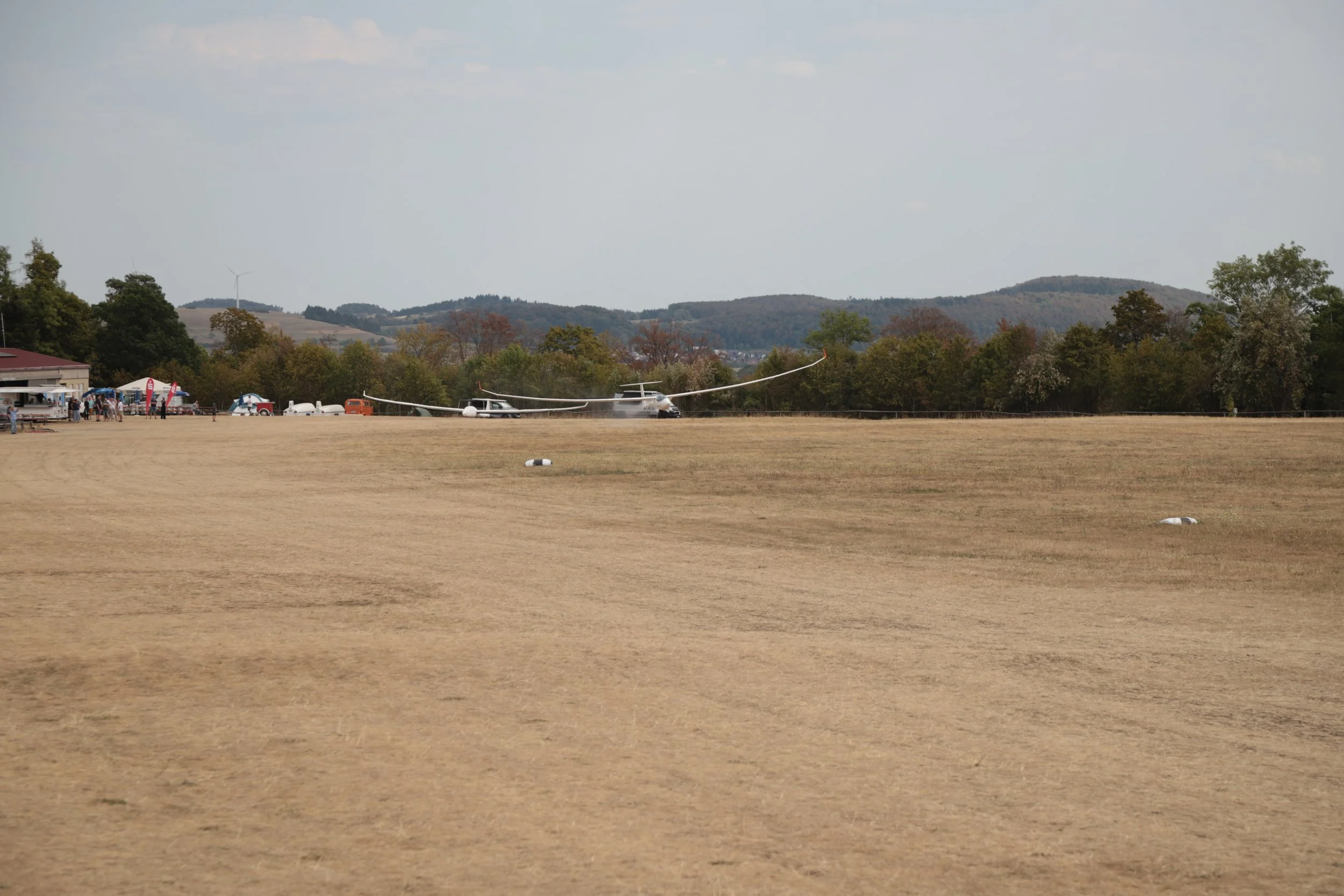
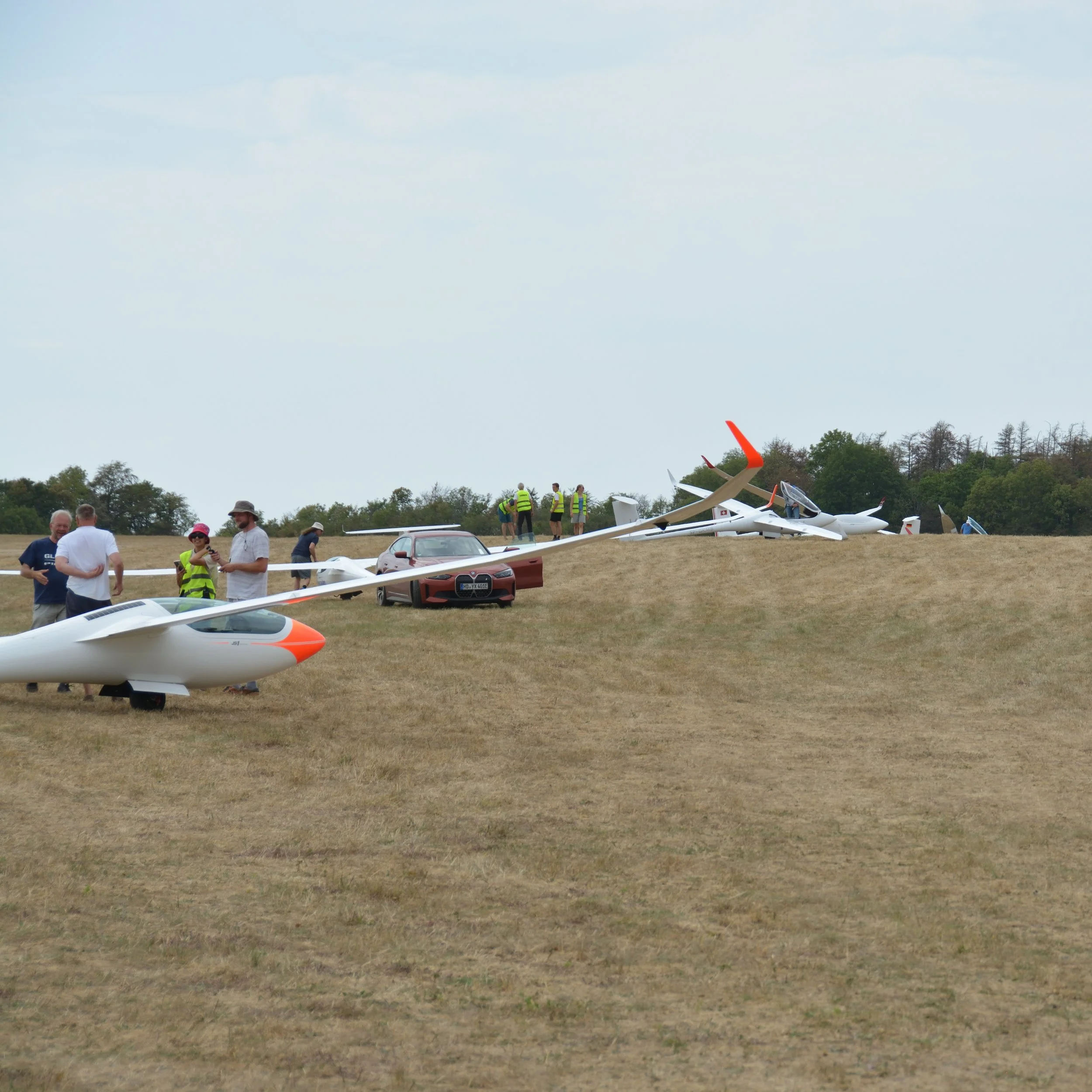
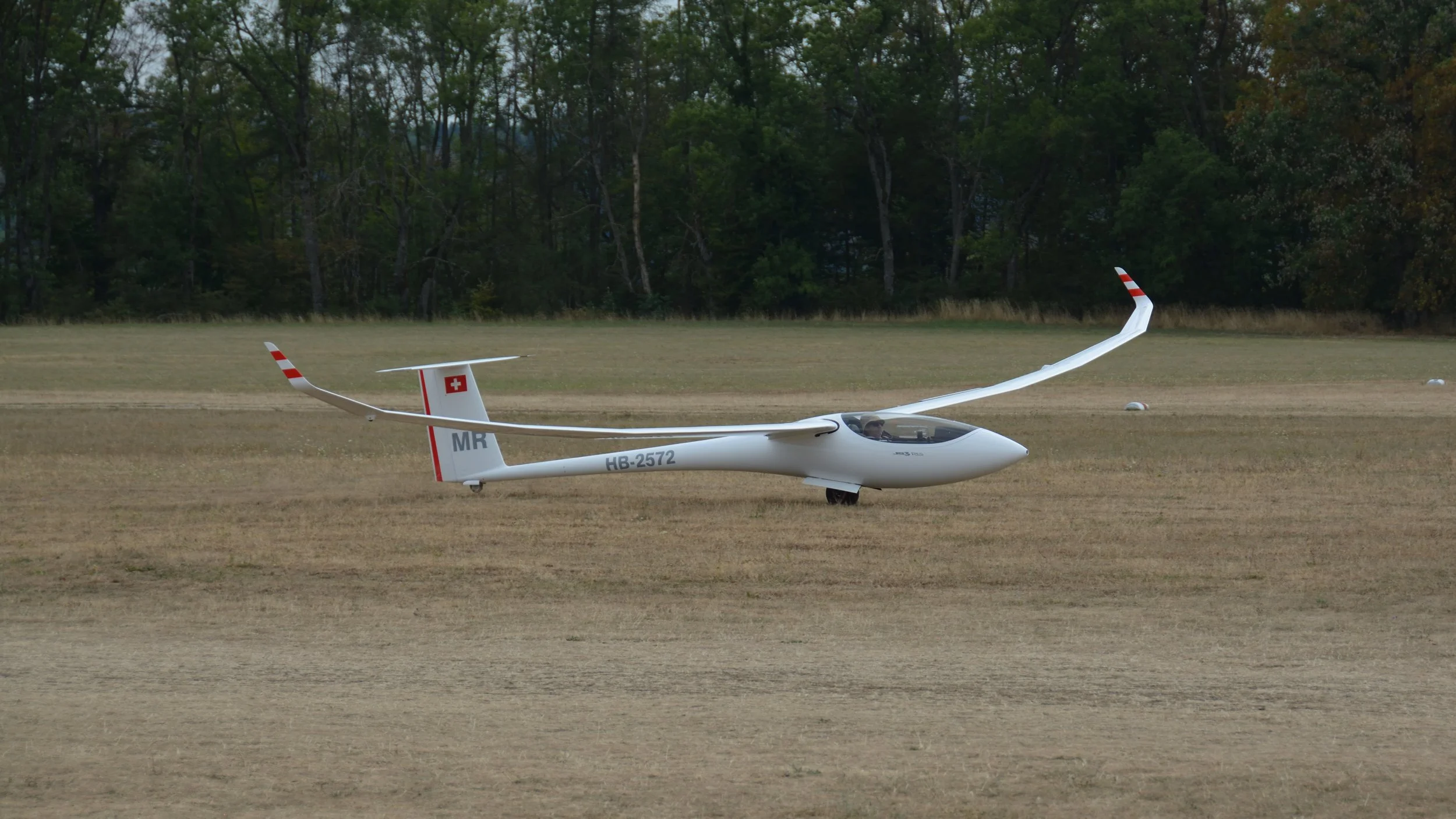
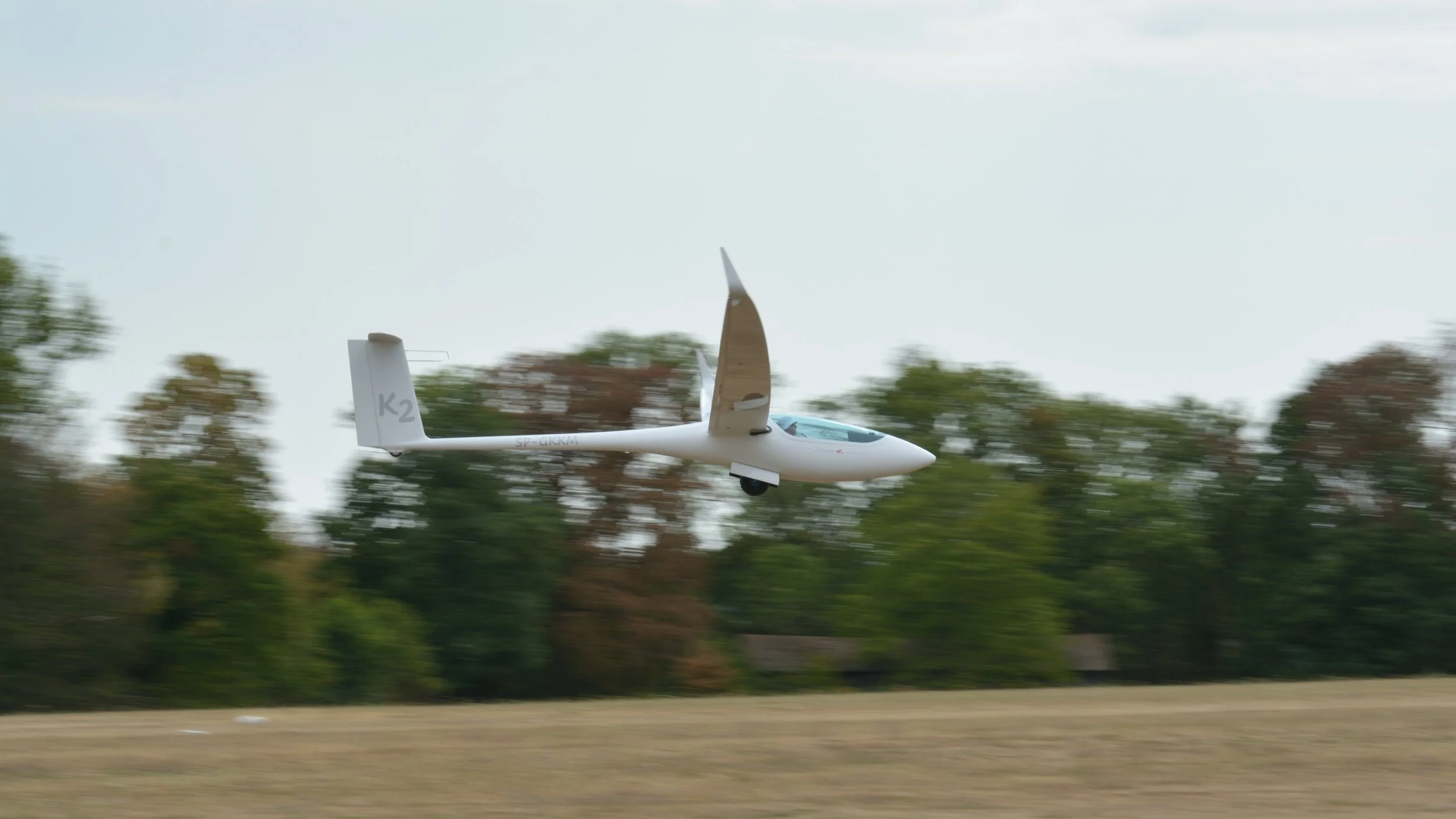
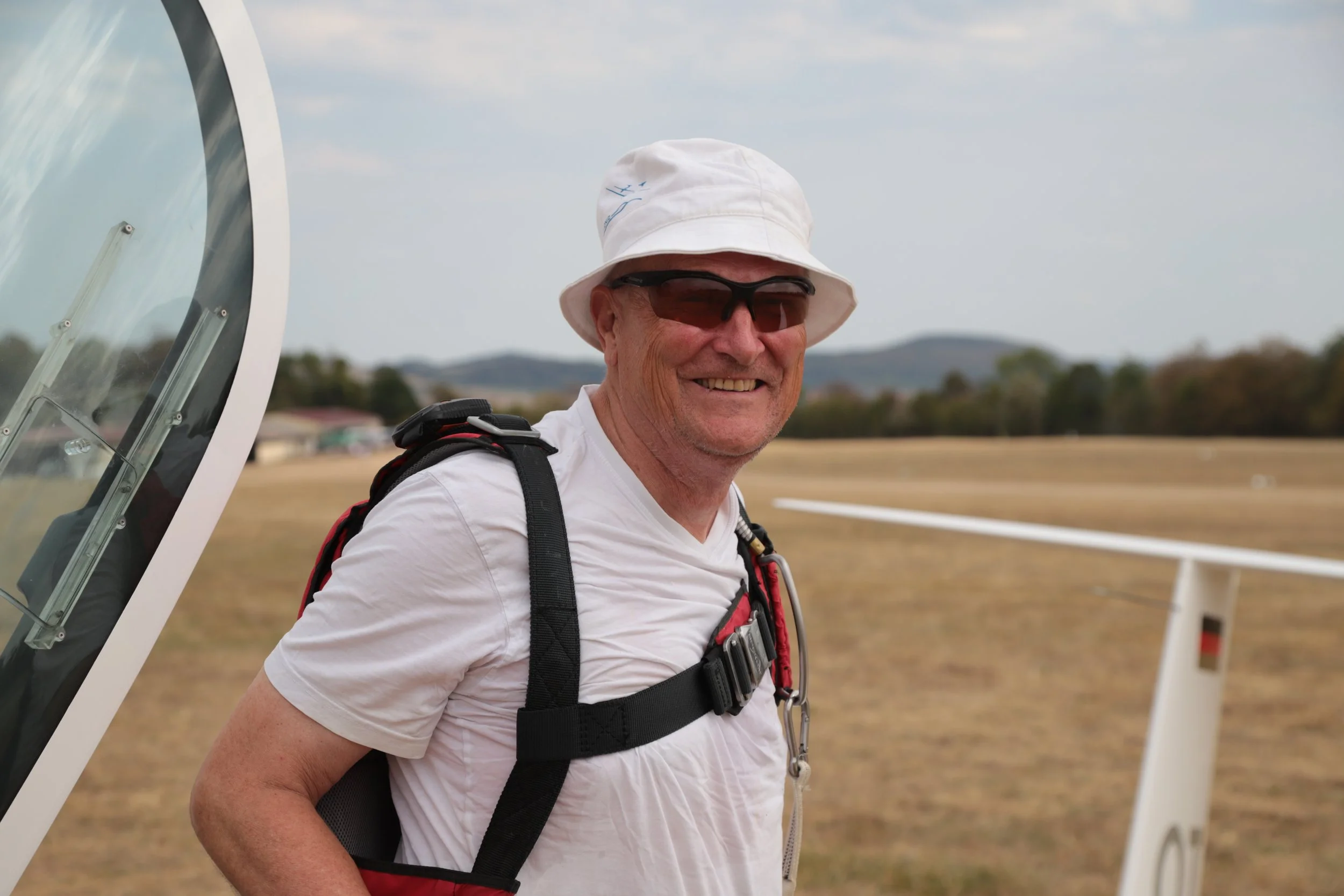
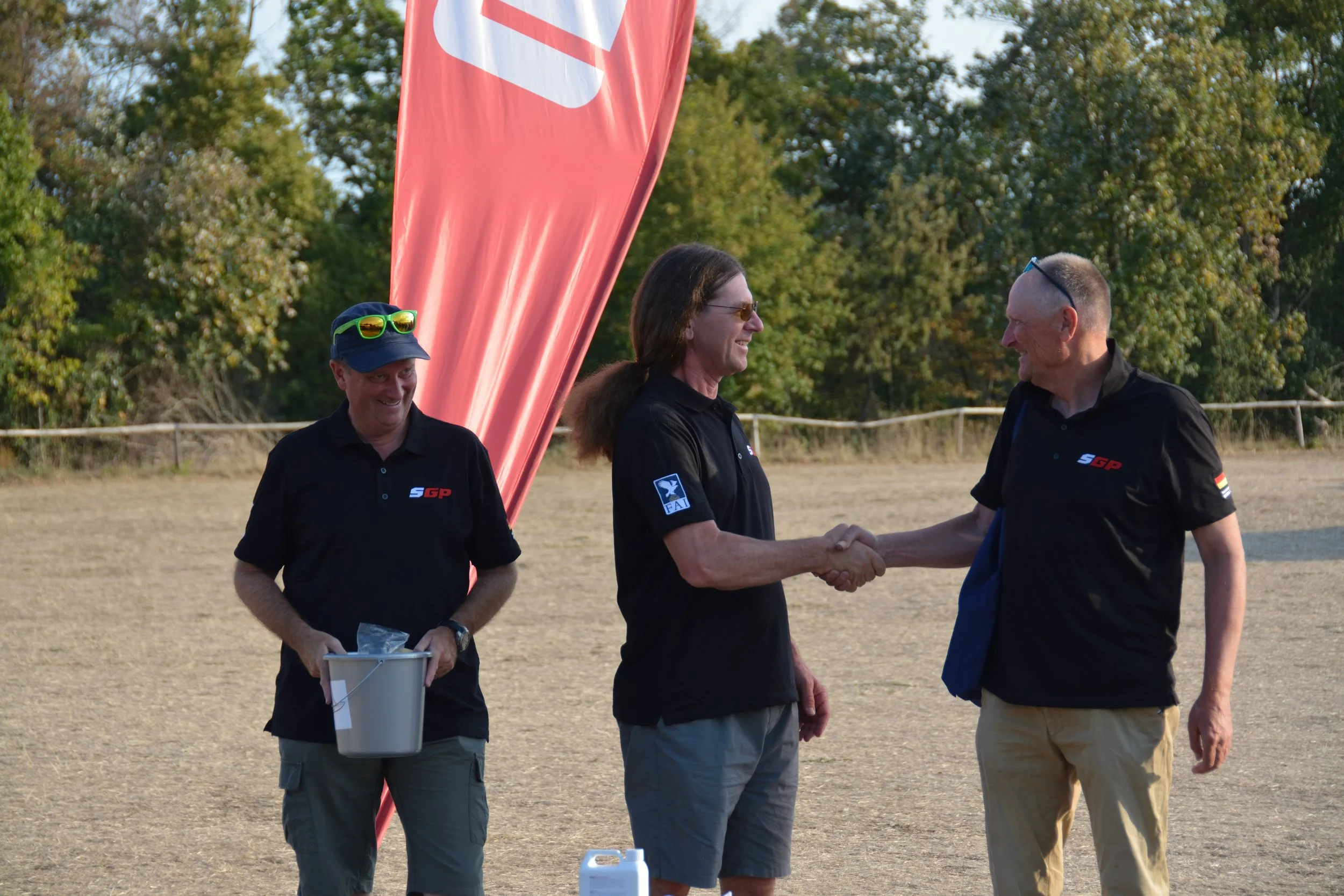
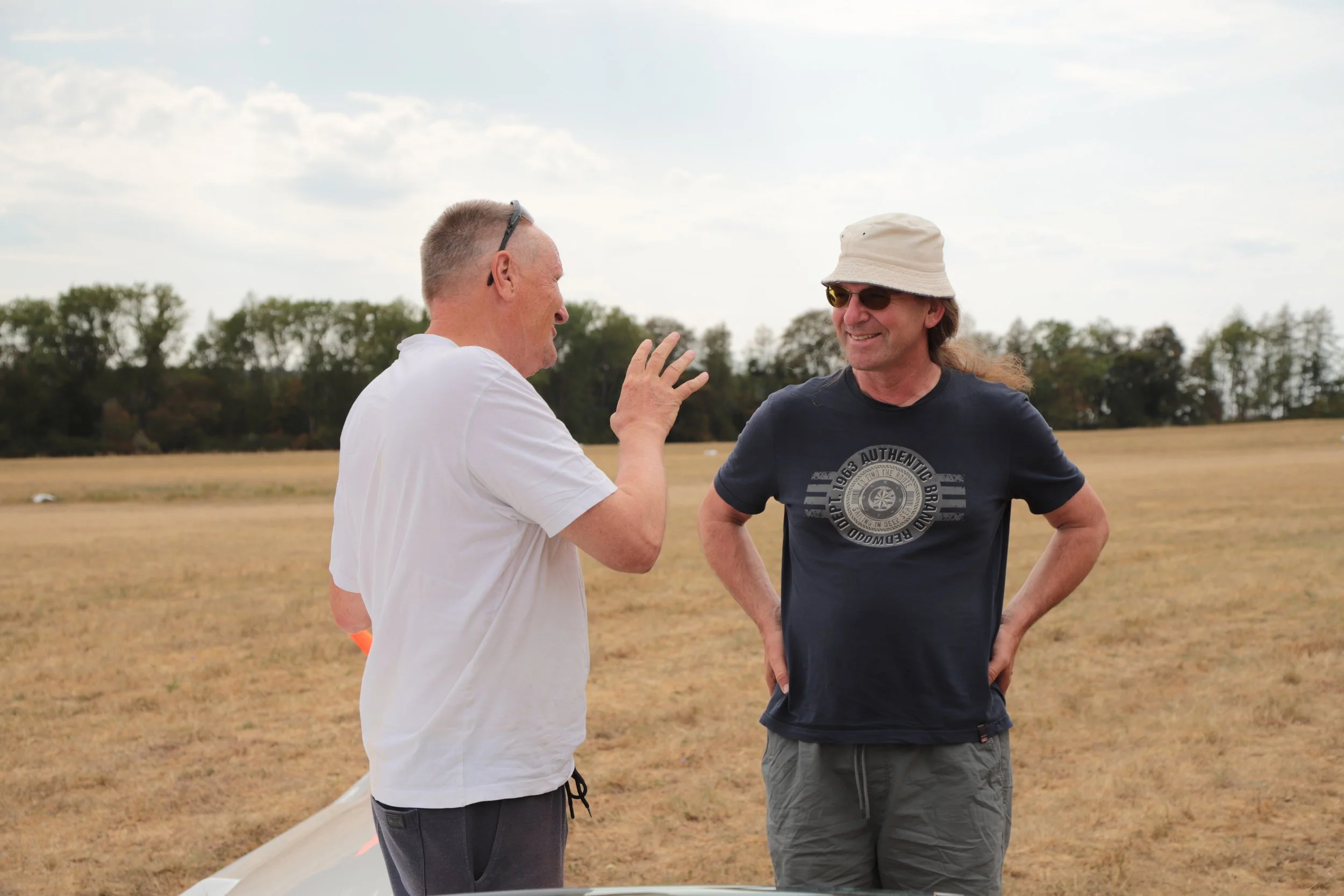
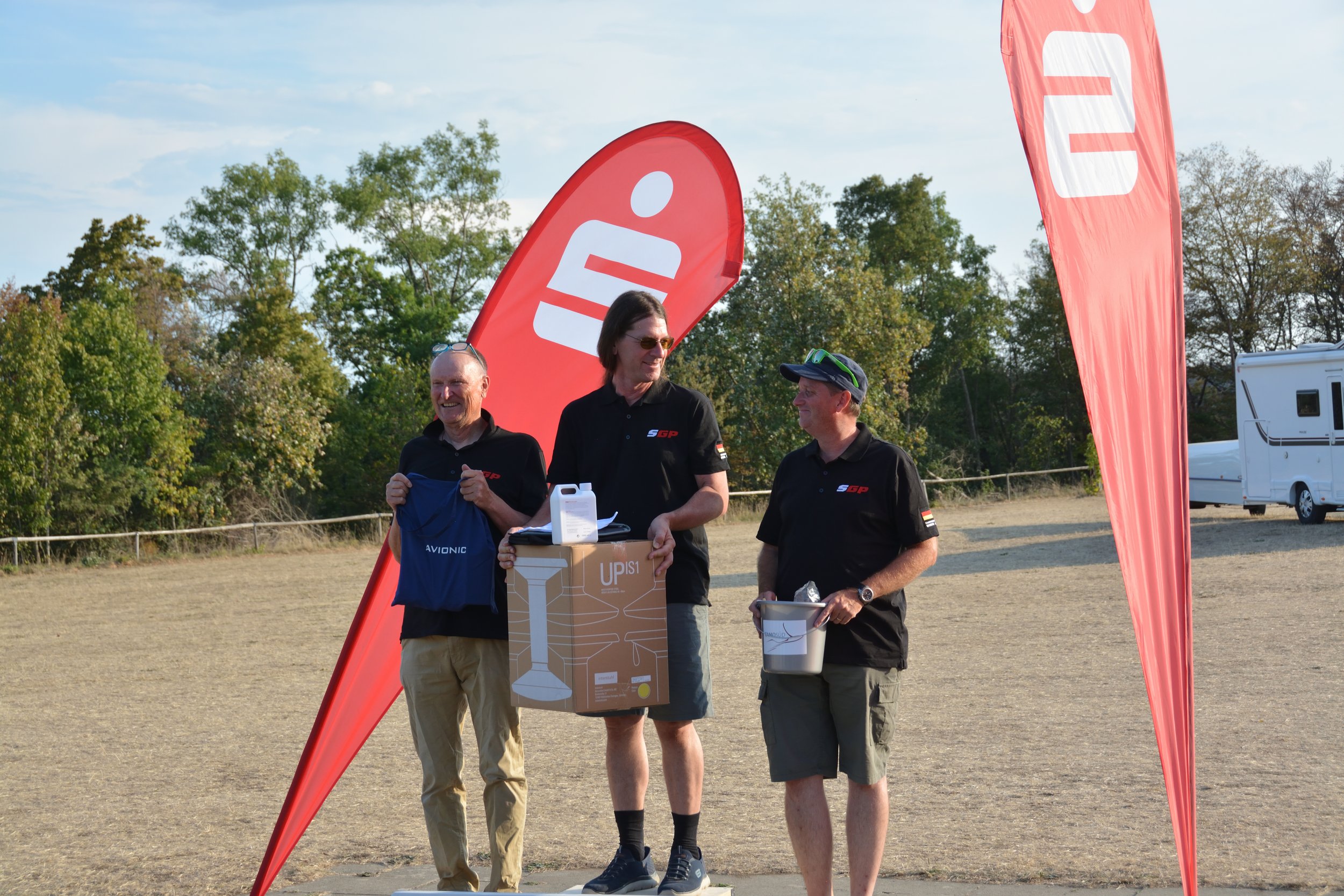
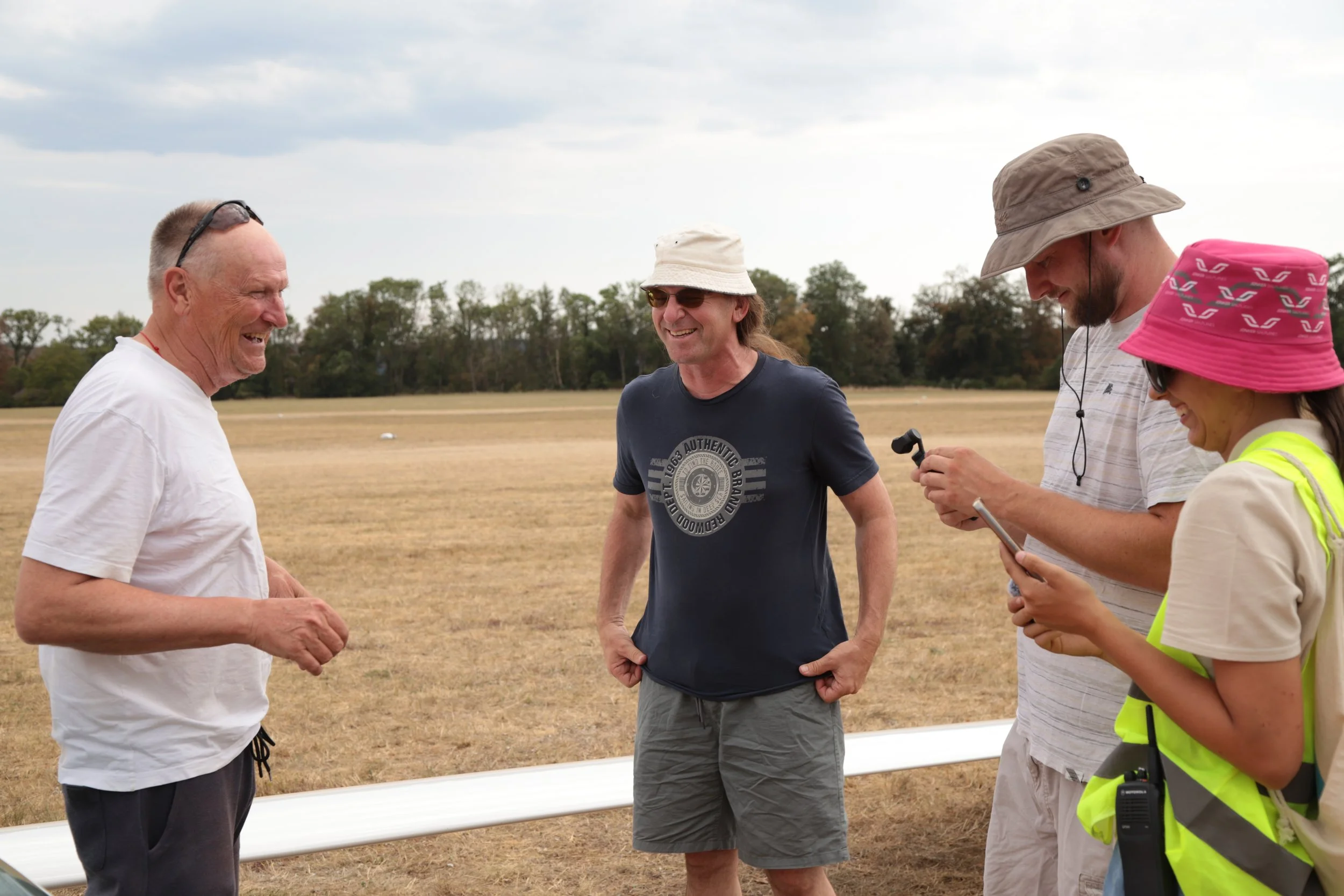
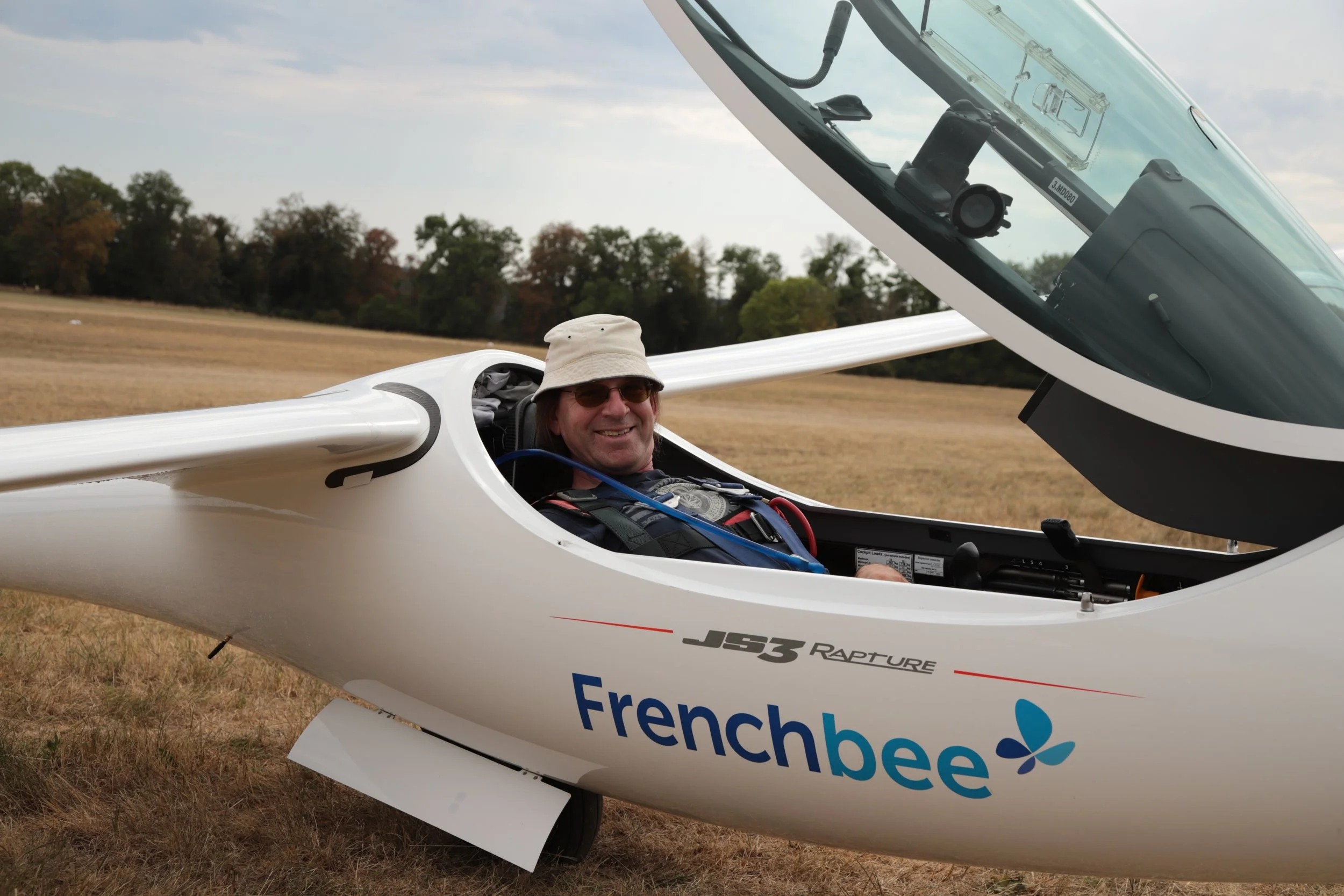
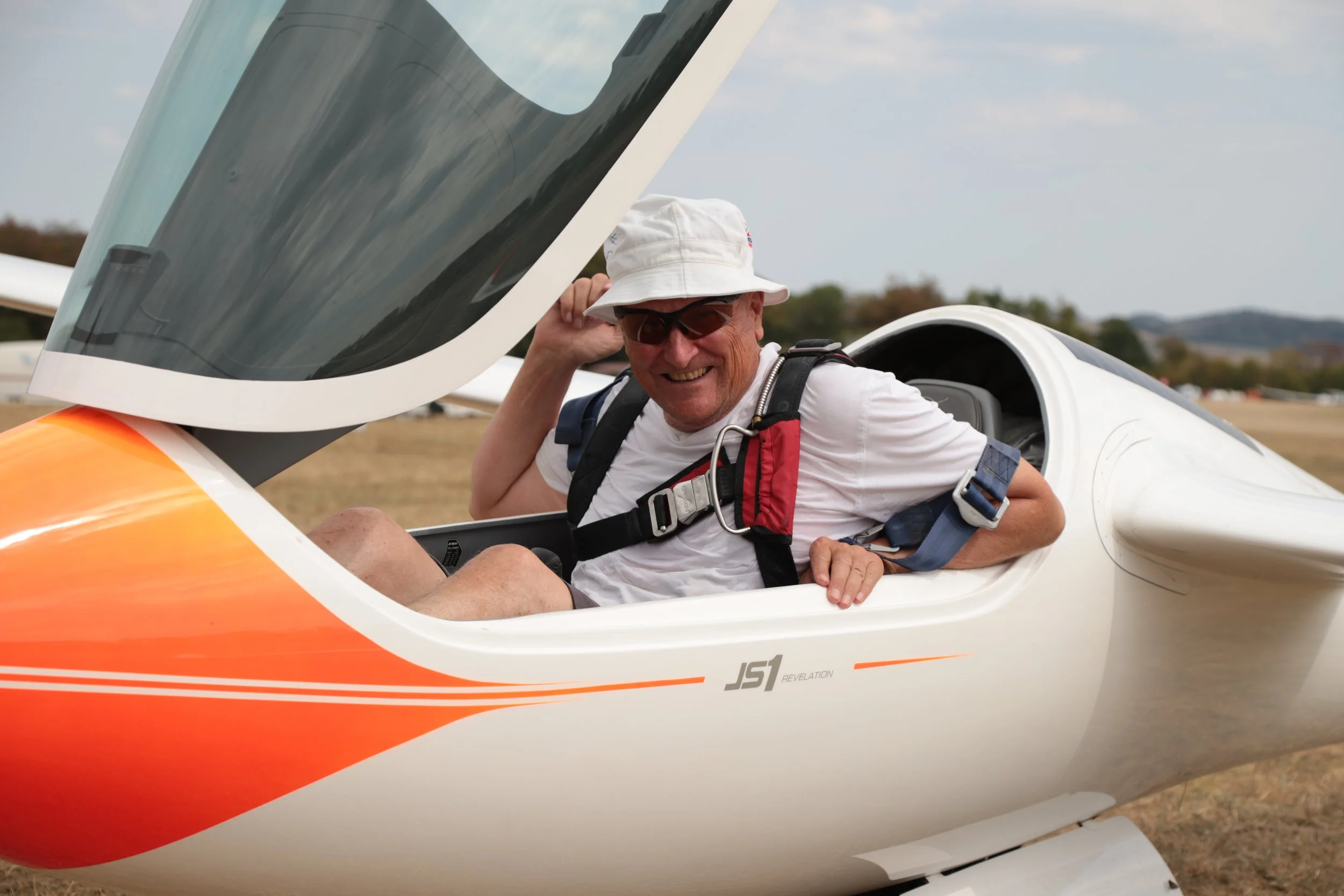
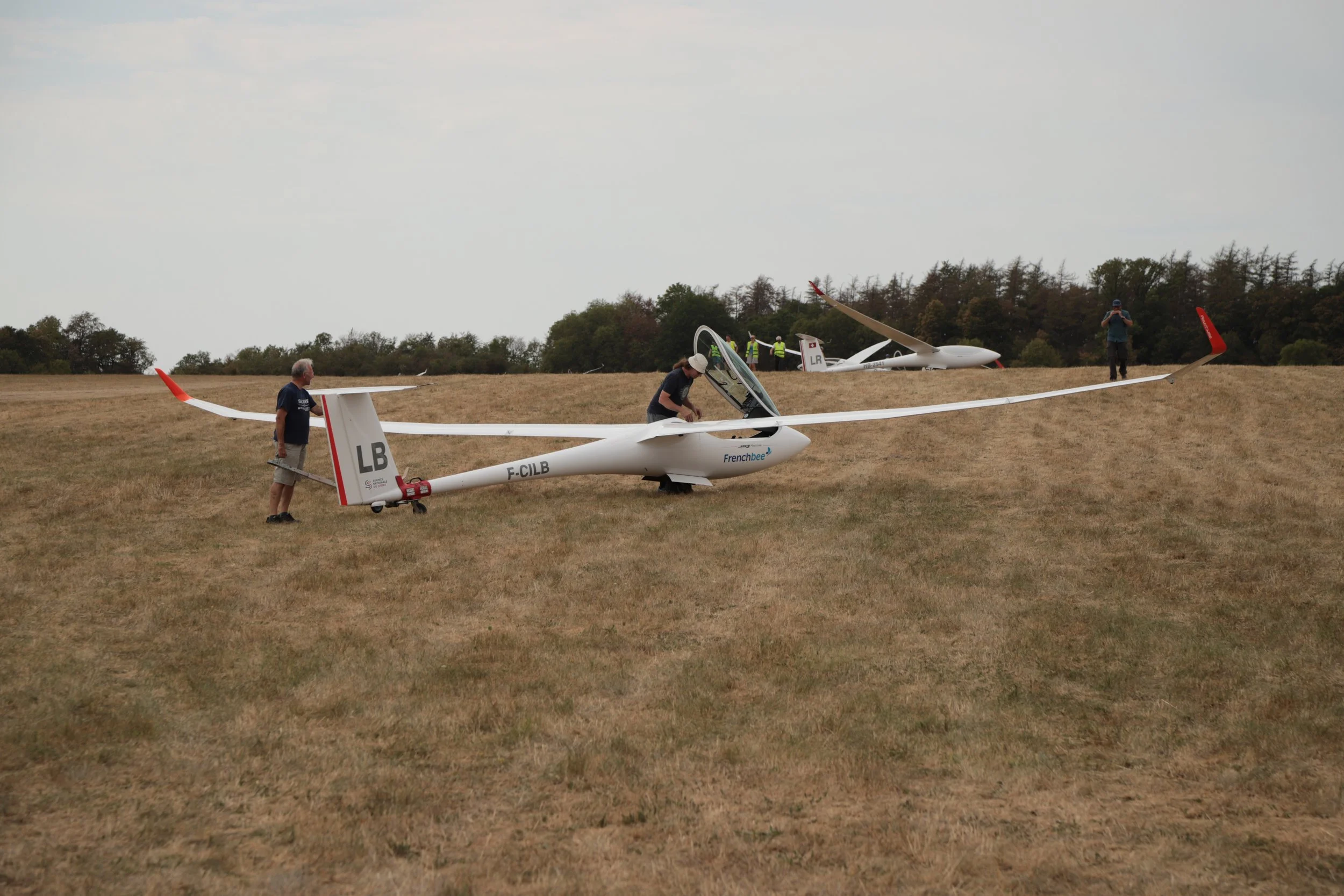
15/08/2026 - Farrenberg, Germany - The Swabian Alb delivered a spectacular arena for the sixth and final Race of the FAI Sailplane Grand Prix of Germany. A full grid of twenty pilots launched into the task, and in a testament to the incredibly high standard of flying, all twenty successfully navigated the demanding 264 kilometer circuit.
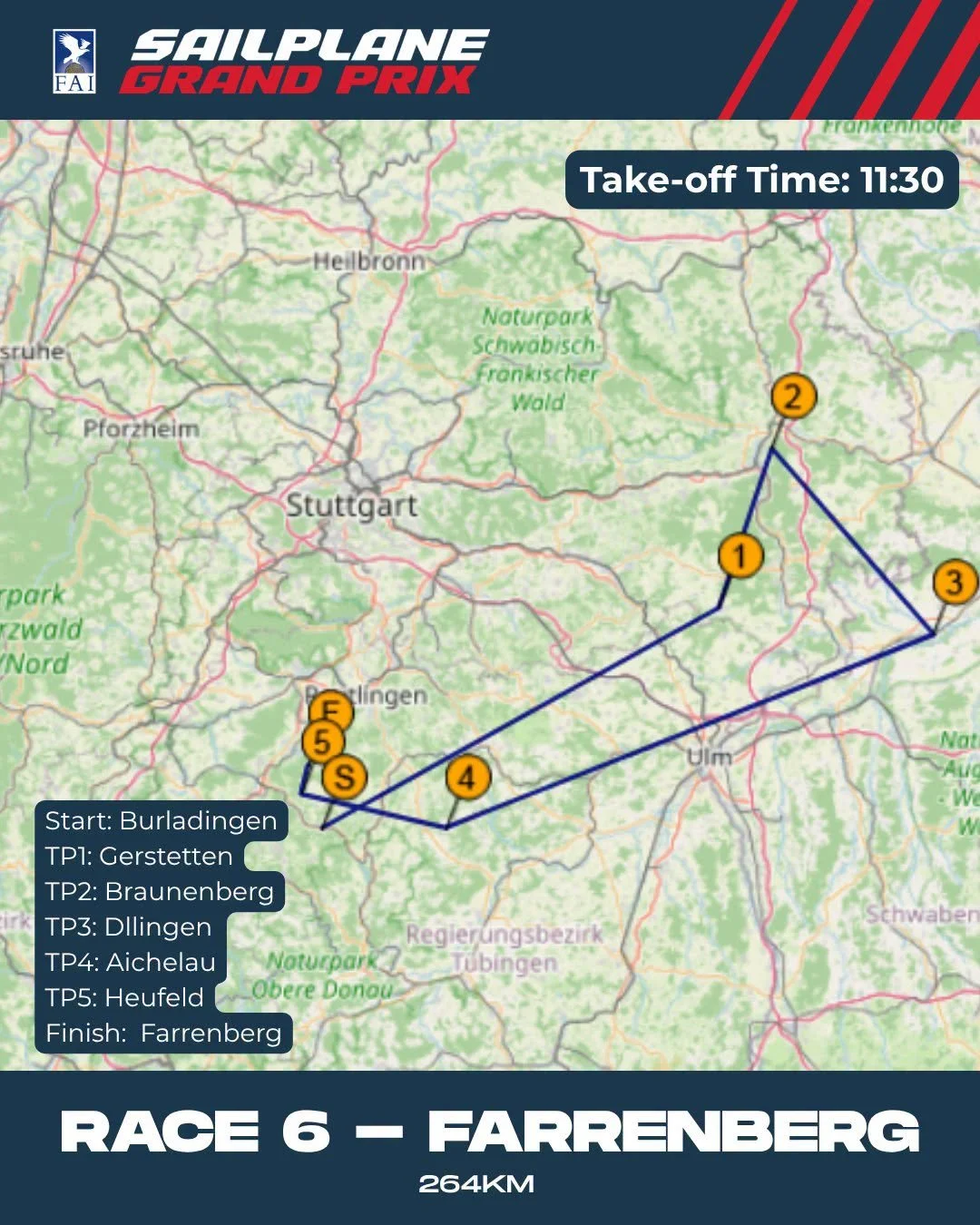
The route pulled the fleet from Burladingen through Gerstetten, Braunenberg, Dillingen, and Aichelau before the final sprint via the Heufeld reporting point back to the Farrenberg finish line. While the sky provided workable energy, with average climb rates across the field sitting between 2.2 and 2.7 m/s, it was a day that punished complacency. This was no simple "cloud streets" across the sky; the conditions demanded constant, high-stakes decision-making and precise energy management.
The Duel: Wahlig vs. Hartter
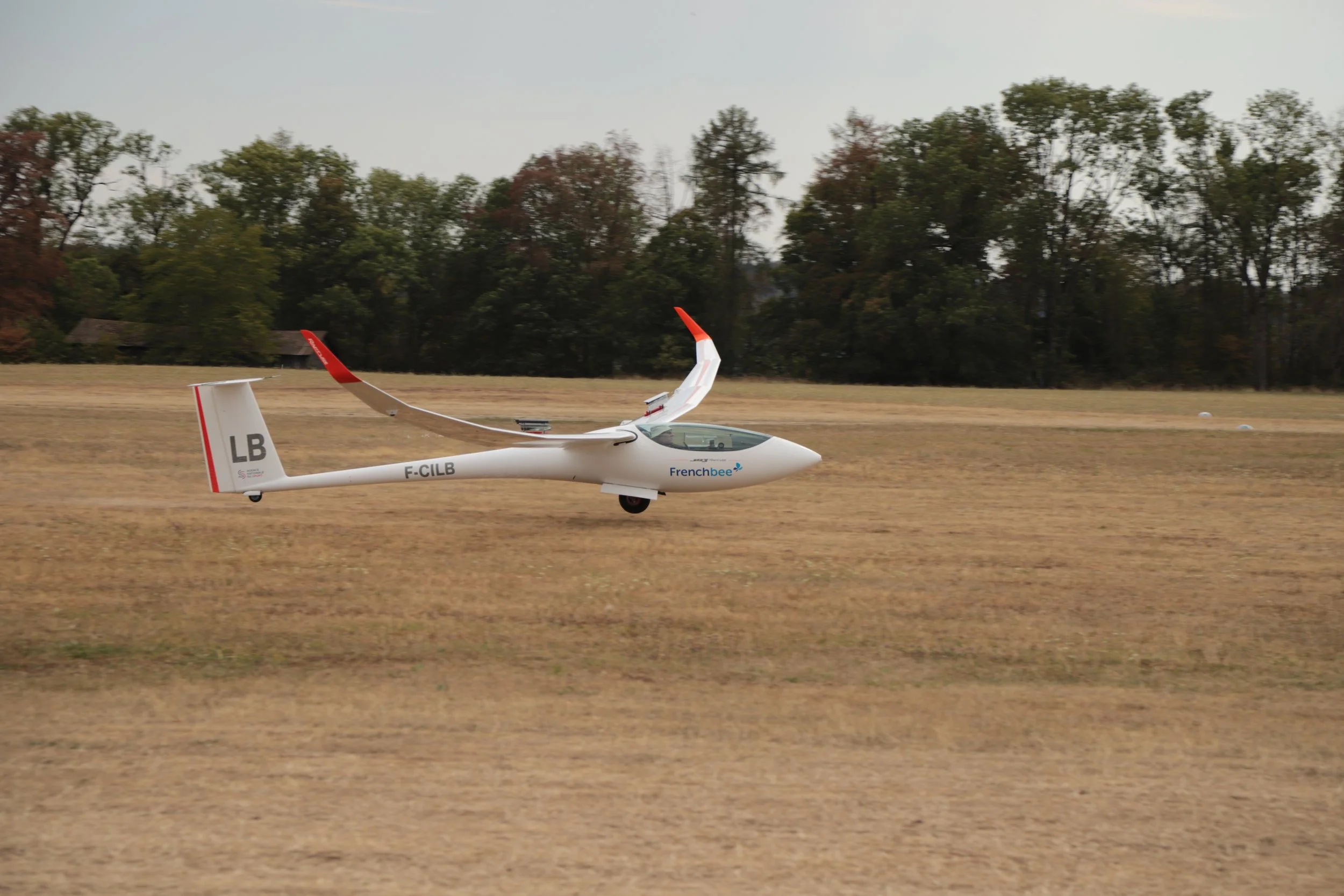
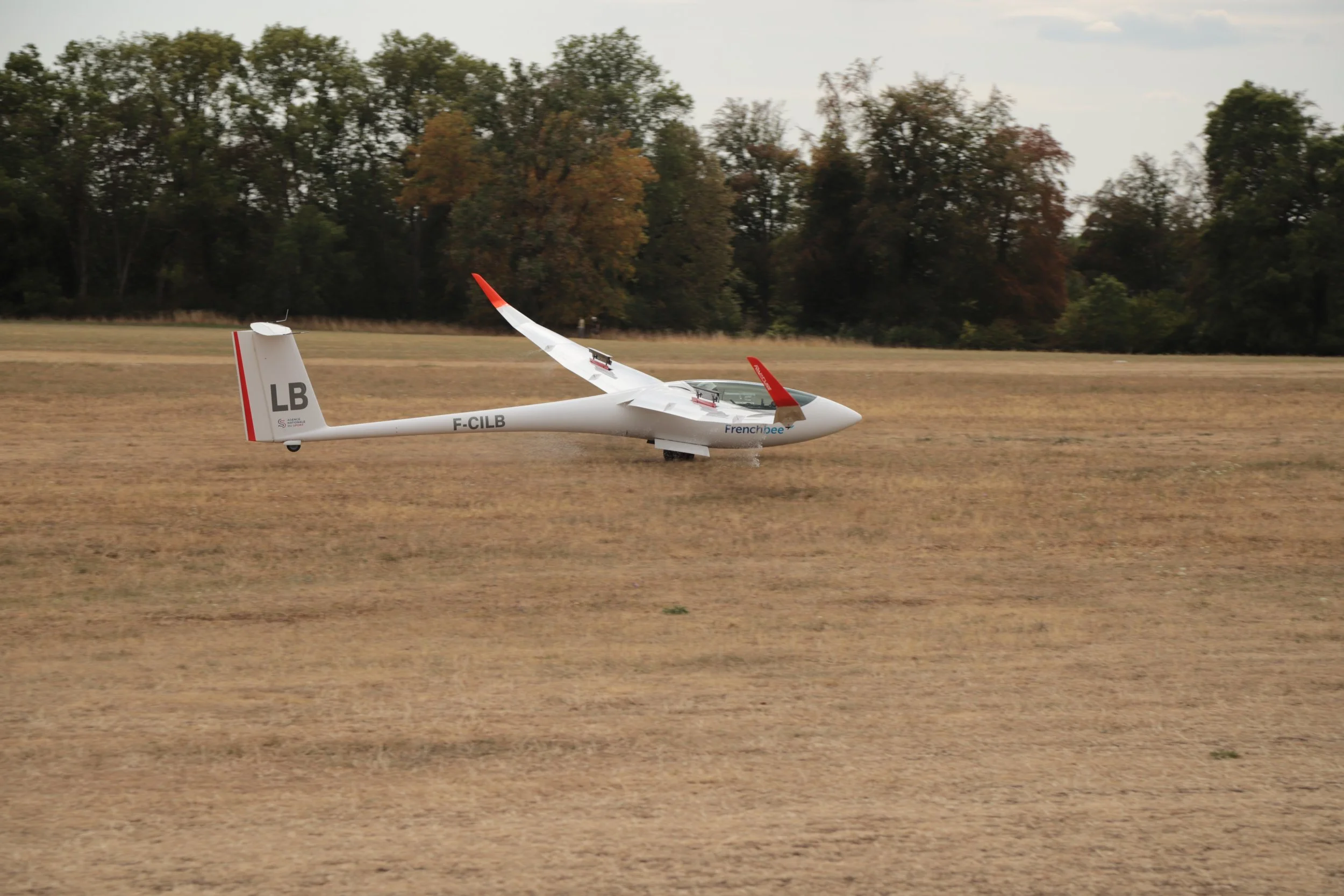
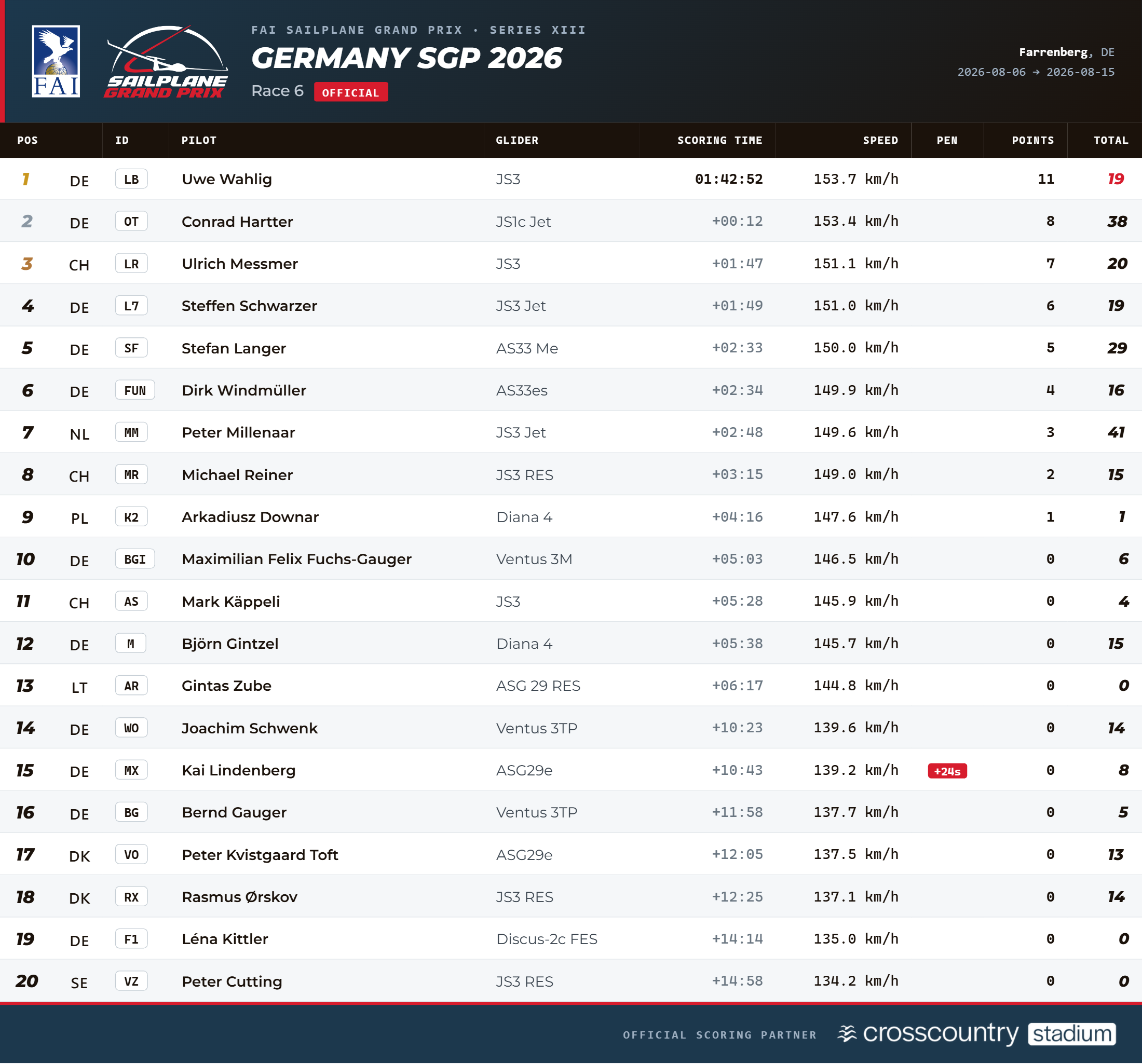
Uwe Wahlig (LB), piloting his JS3, emerged victorious with a total time of 01:42:51, cementing a breathtaking average speed of 153.4 km/h. However, the victory was anything but guaranteed.
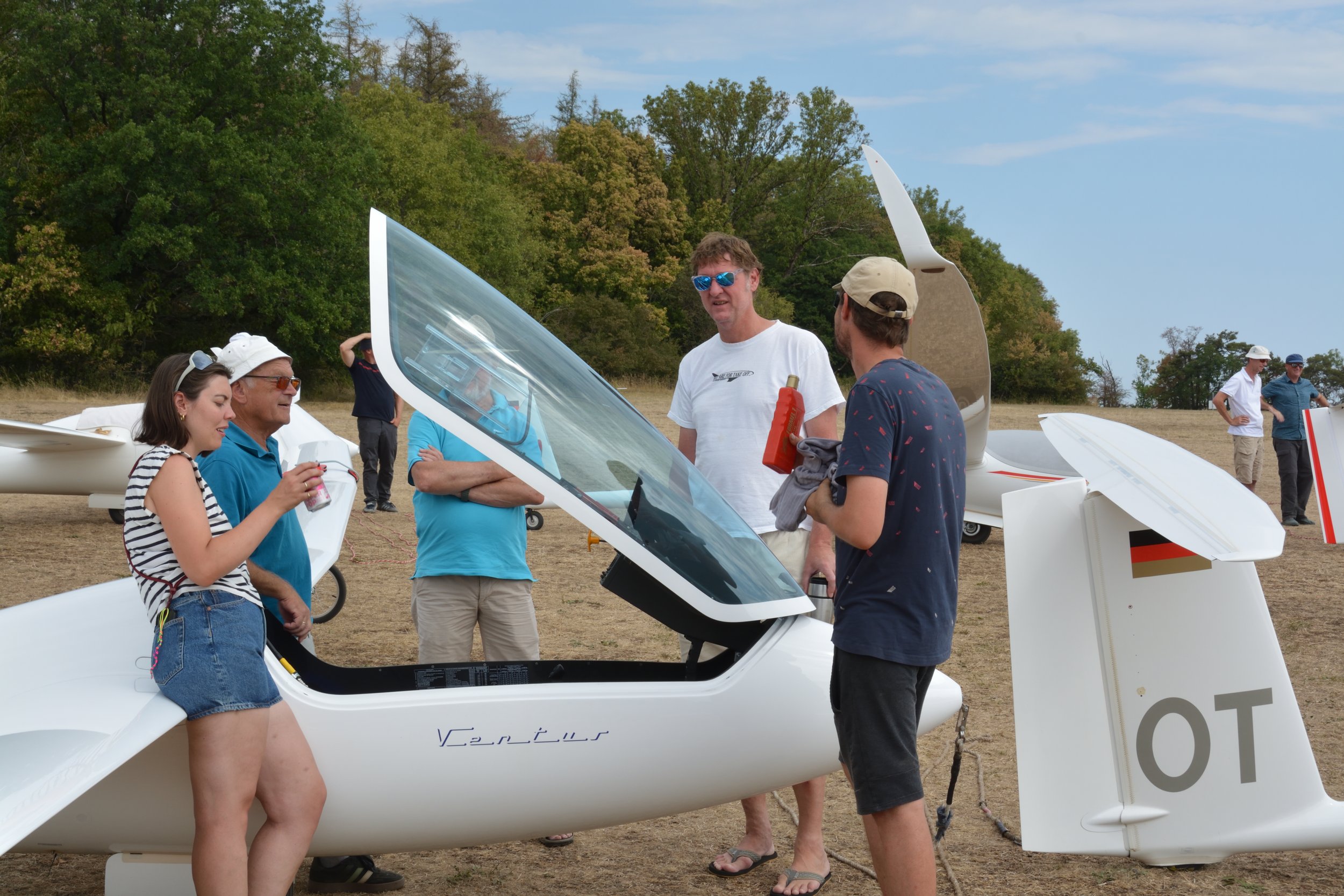
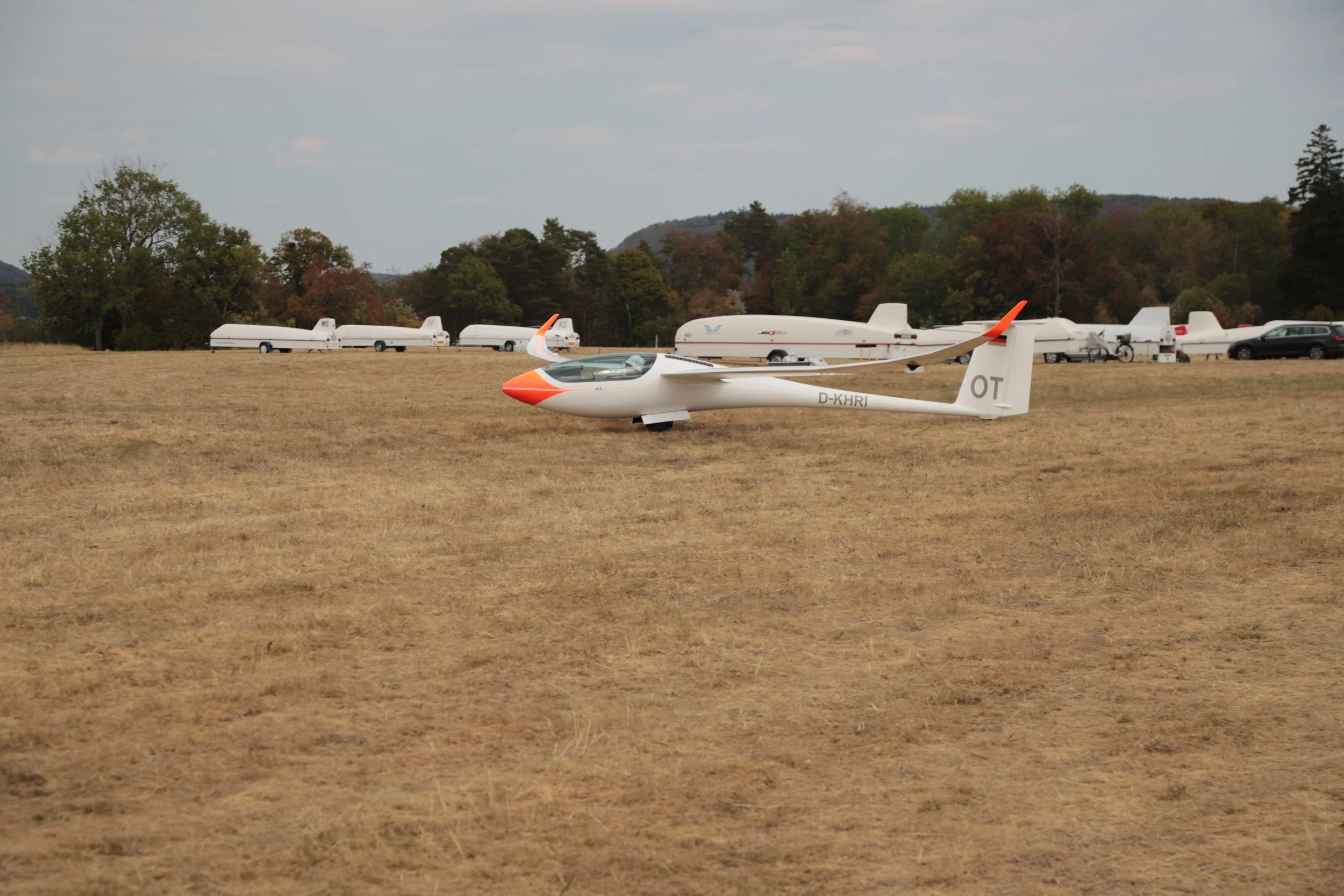
Local hero Conrad Hartter (OT) pushed Wahlig to the absolute limit in his JS1c, crossing the line a mere 13 seconds behind the leader to claim second place at 153.1 km/h. The race was won and lost in the brutal, high-speed transitions of the final two legs, providing a fascinating look into grand prix tactics.
On leg five, running from Dillingen to Aichelau, the field fractured with a massive speed spread of 79.5 km/h. Here, Hartter actually held the upper hand, posting a blistering 238.2 km/h against Wahlig's 212.8 km/h.
The decisive counter-punch arrived on leg six, the critical run from Aichelau to Heufeld. As the speed spread across the field widened to a staggering 102.7 km/h, the largest performance gap of the entire task, Wahlig found another gear. He rocketed through this sector at 230.1 km/h, besting Hartter's 220.1 km/h. That 10 km/h advantage on the penultimate leg was precisely where Wahlig banked the crucial 13-second gap that ultimately won him the race.
Tactical Mastery: Looking Ahead of the Glider
Wahlig's victory was a triumph of tactical foresight over raw climbing effort. He thermalled in just 20 circles throughout the race, averaging a modest 2.4 m/s climb rate.
Crucially, he spent only 29 percent of his total flight time climbing, the lowest percentage of anyone in the top five. This extreme efficiency indicated a pilot who was reading the sky perfectly ahead of his glider, transitioning smoothly through energy lines rather than burning time stopping to recover altitude.
In contrast, Hartter spent 33 percent of his time thermalling. Despite finding a stronger peak climb of 3.6 m/s, the additional time spent circling meant he was working slightly harder to maintain a similar energy state to the race winner.
The Battle for the Podium
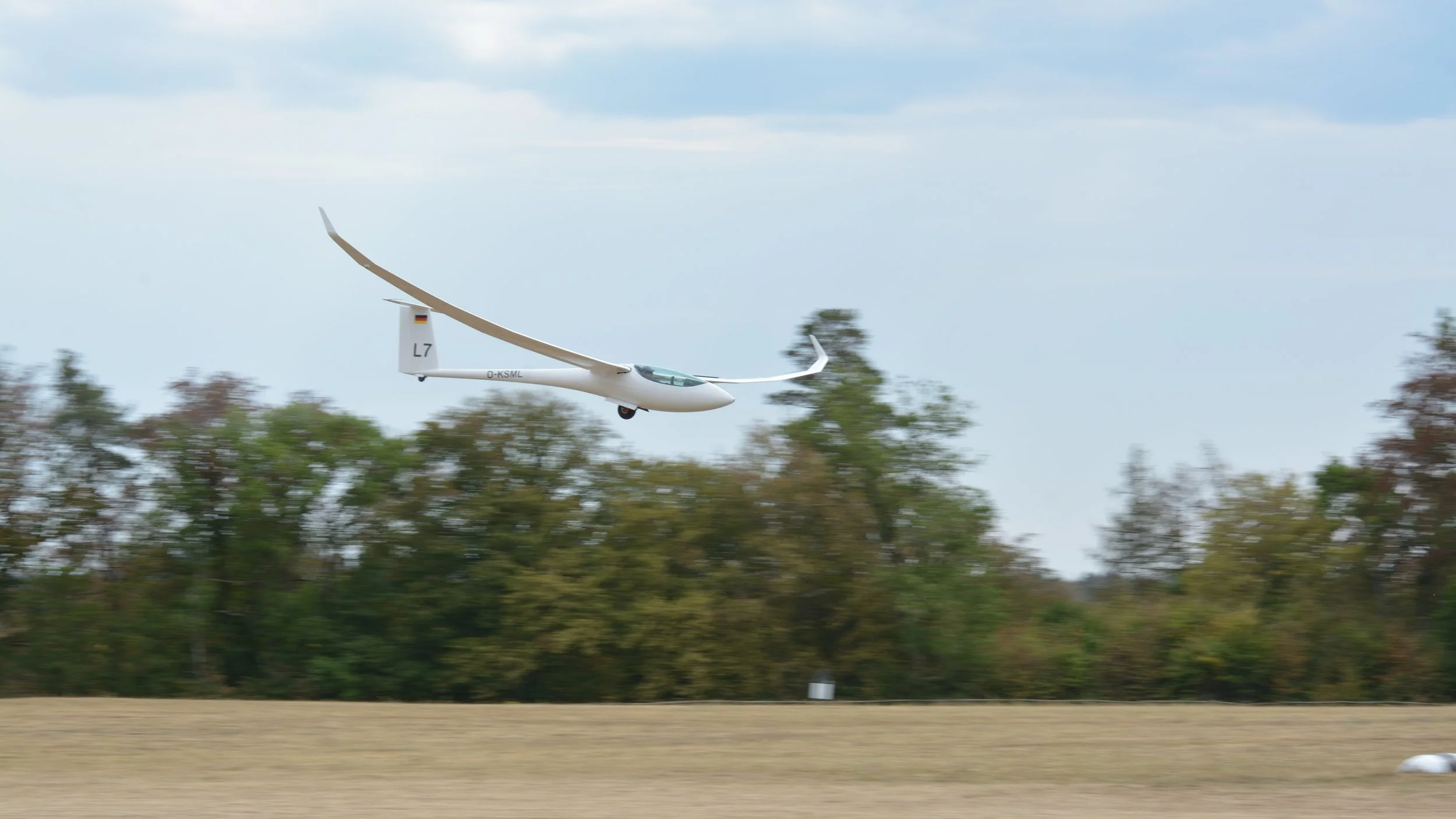
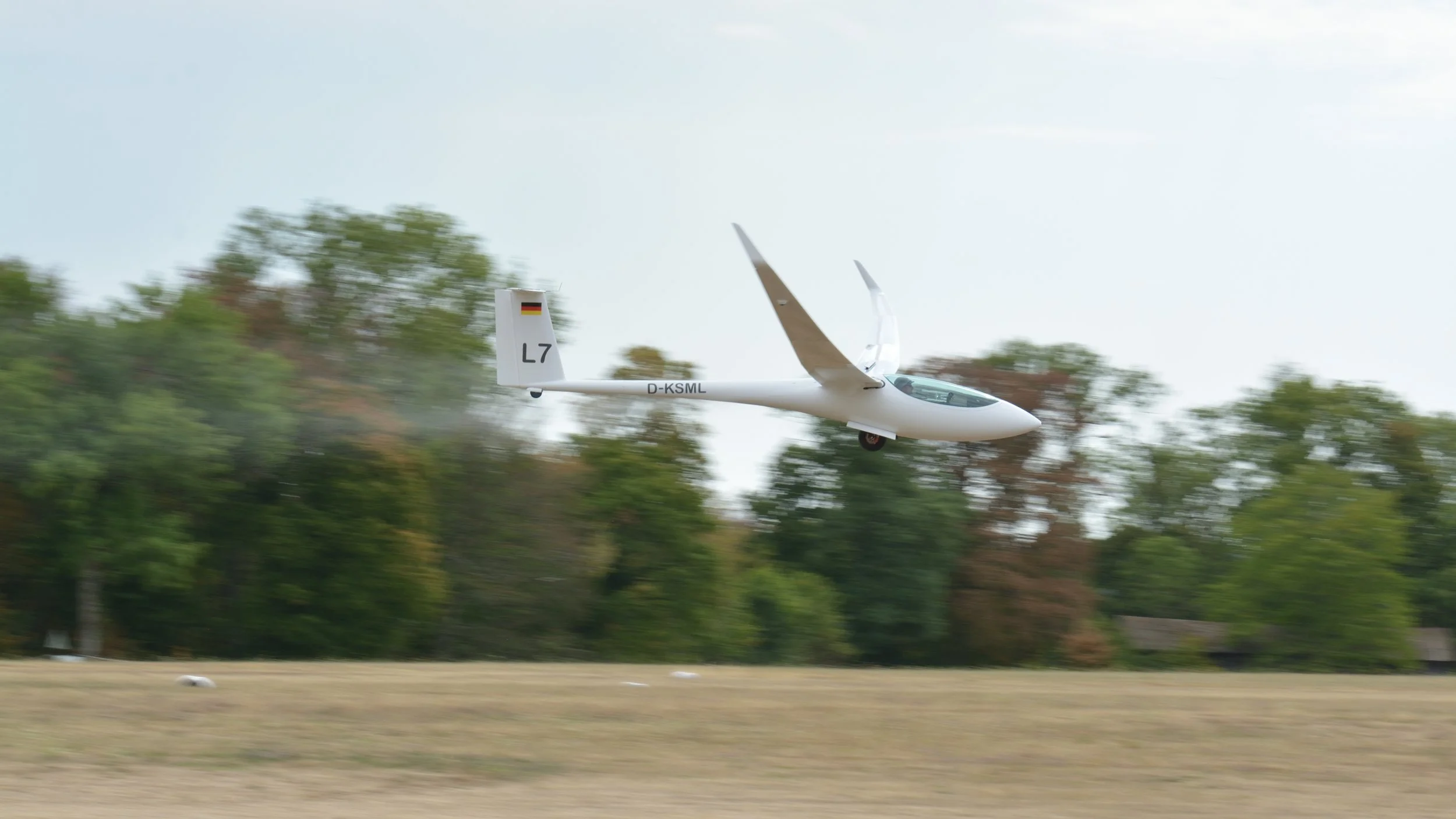
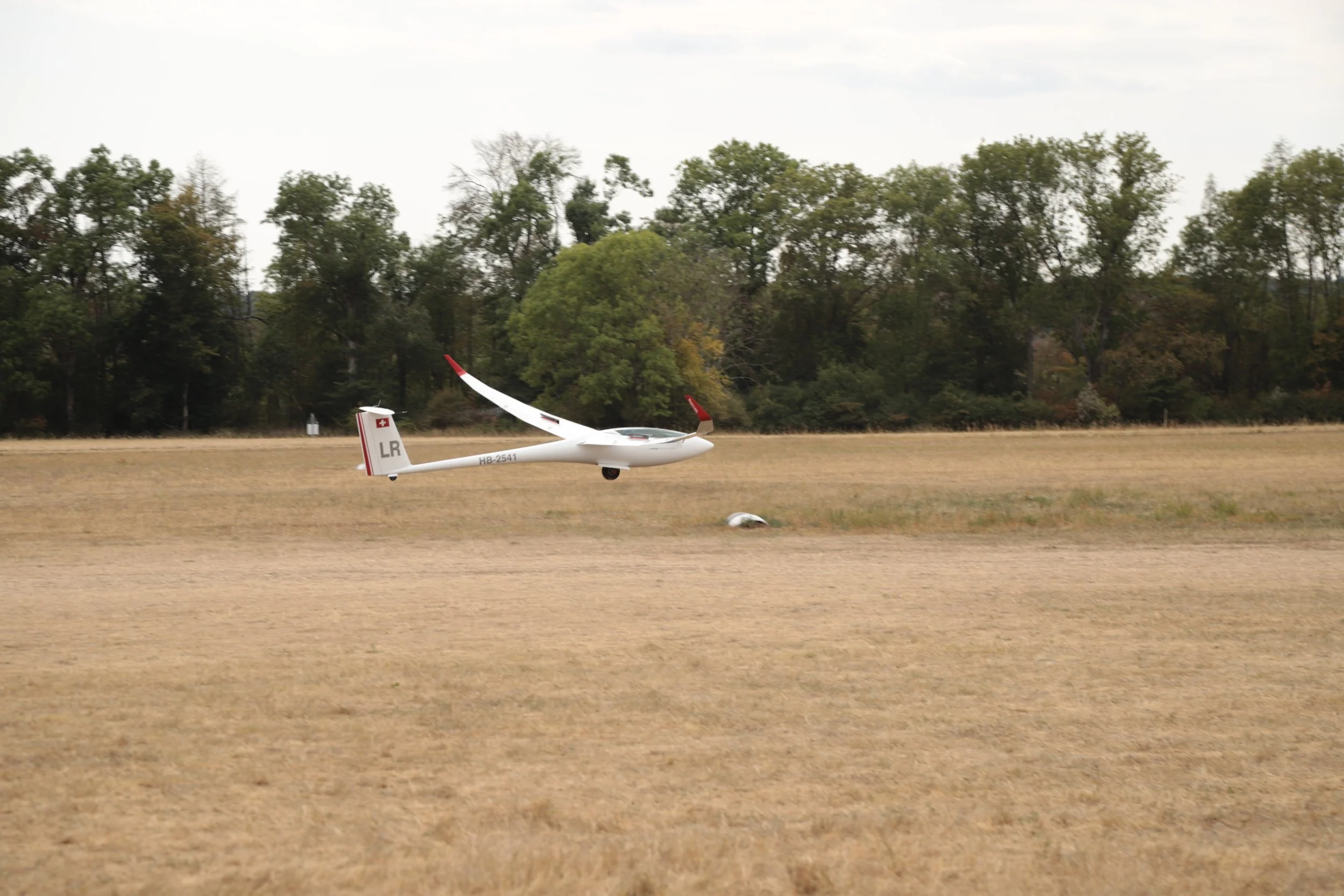
Behind the leading duo, the battle for third place was equally intense. Ulrich Messmer (LR) and Steffen Schwarzer (L7) engaged in a dead heat, crossing the finish line separated by a single second.
Messmer secured the final step of the daily podium with an average speed of 150.8 km/h (01:44:39), just edging out Schwarzer's 150.7 km/h (01:44:40) by ONE SECOND! Neither pilot could challenge the leading duo on the final sprints, having clocked significantly slower leg-five speeds of 190.2 km/h and 191.4 km/h respectively.
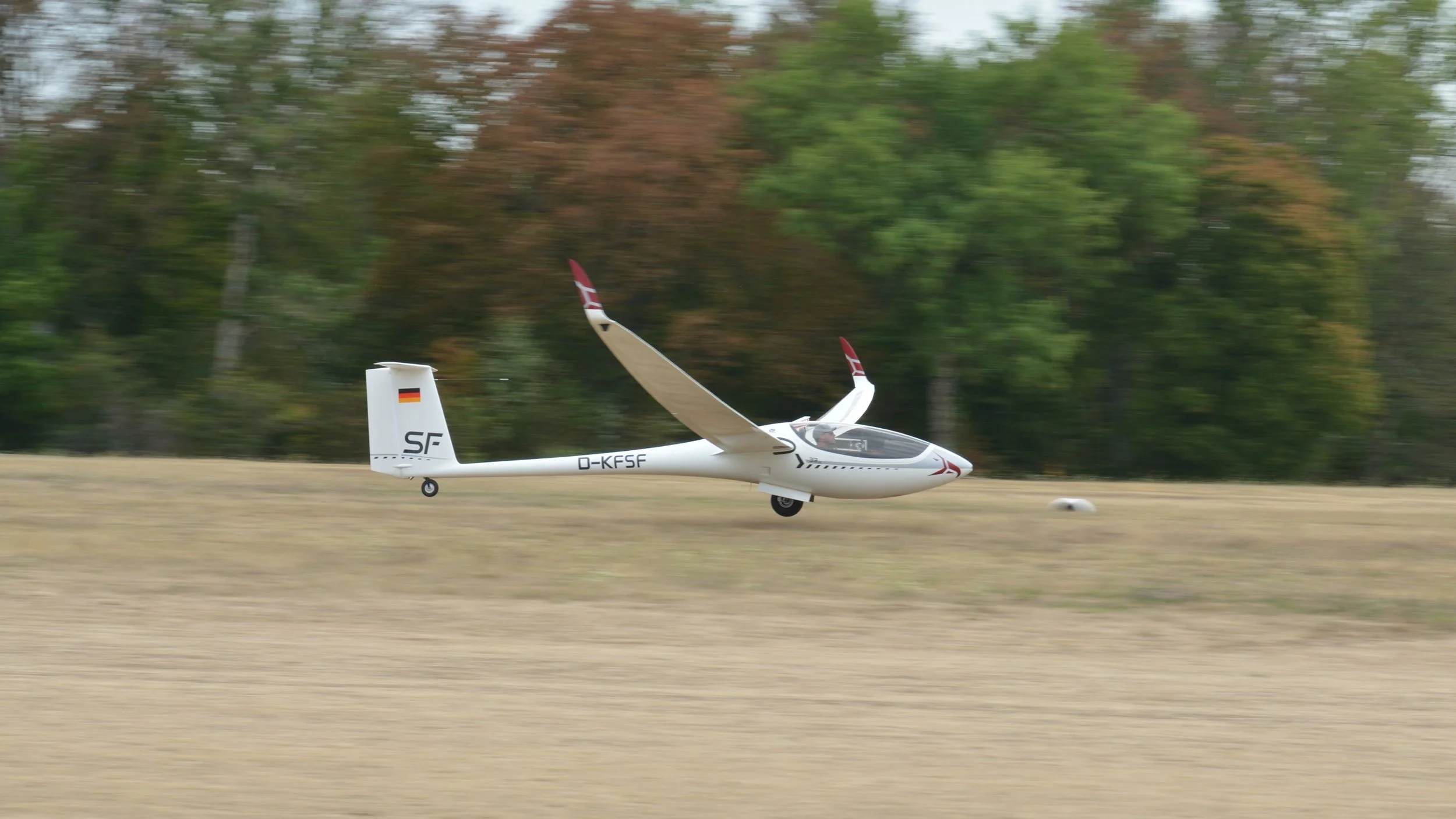
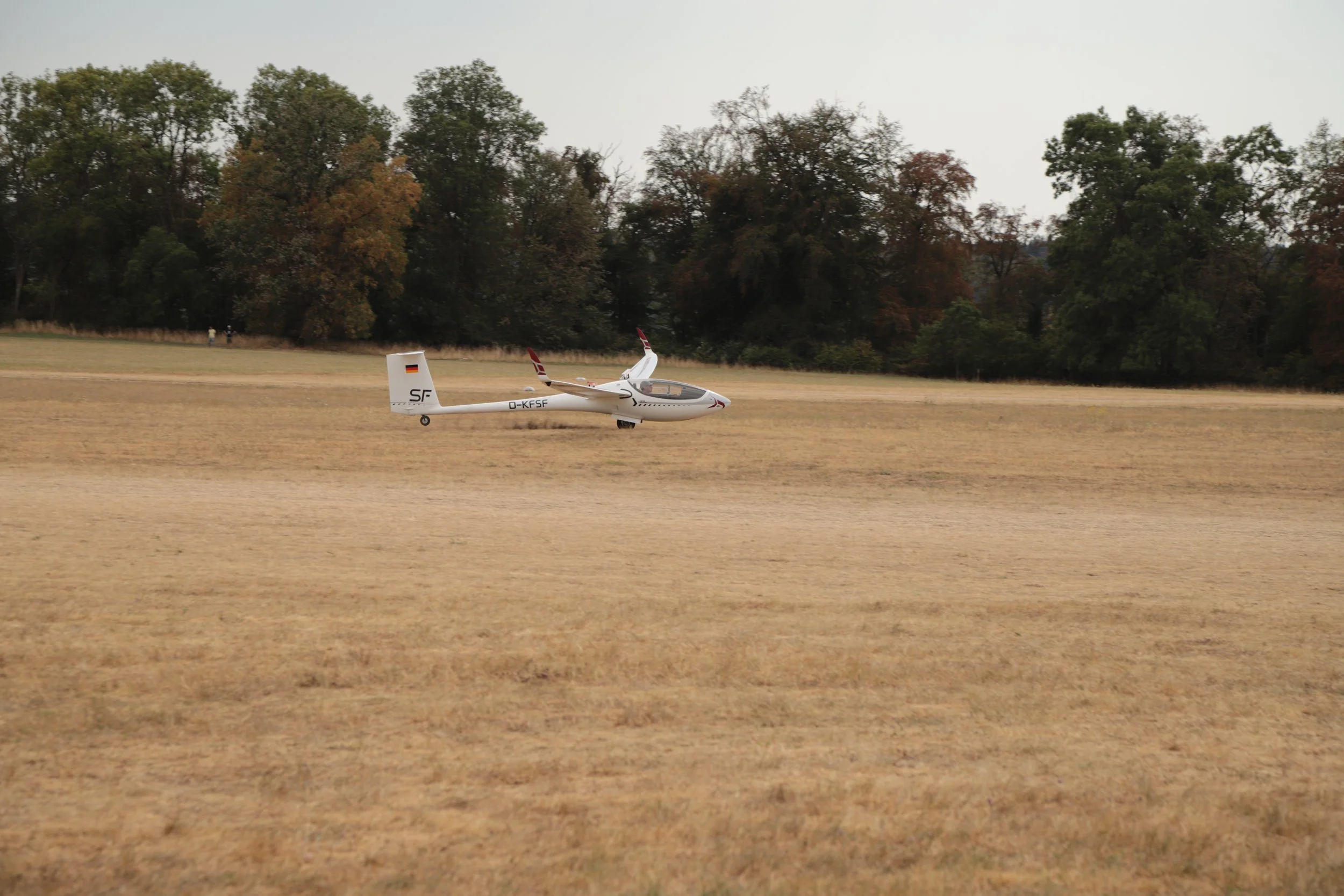
Stefan Langer (SF) rounded out the top five, finishing two minutes and thirty-four seconds off the lead with a speed of 149.7 km/h. While Langer found the strongest peak climb of the lead group at 4.0 m/s, his pacing on the critical fifth and sixth legs ultimately left him trailing the frontrunners in the final dash to Farrenberg.
Stay tuned to discover the Full Results, and the Podium Ceremony!